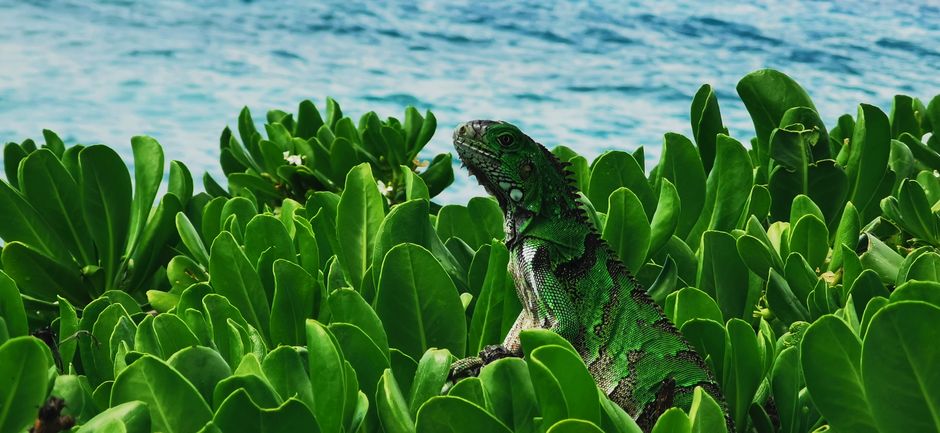
Marine Iguana: The Ocean-Feeding Lizard
Lizards usually stick to warm trees, sandy deserts, or rocky gardens. The marine iguana breaks all the usual rules by swimming into cold ocean waves to graze on underwater algae. Found only around the volcanic Galapagos archipelago, this dark reptile is the only lizard species on Earth that feeds directly in the sea, combining special salt glands, blunt snouts, and flattened tails to survive.
For reptile lovers, studying how these animals live in extreme wild conditions teaches us a lot about reptile physiology and environmental limits. While you cannot keep one at home, understanding their biology helps us appreciate just how adaptable reptiles can truly be across our planet.
What Makes the Marine Iguana Unique Among Lizards?
The marine iguana is unique because it is the only living lizard on Earth that regularly swims and feeds in the ocean. While other lizards may occasionally cross streams or paddle through calm coastal shallows, this species actively dives into the surf to harvest its daily food from submerged rocks.
Their dark charcoal skin is an essential feature. Cold seawater quickly strips body heat from cold-blooded animals. Once a lizard leaves the chilly water, its dark scales act like natural solar panels to soak up heat from the equatorial sun. They spend hours sprawled across dark volcanic rock piles, sharing warmth with dozens of their neighbors.
Strong, sharp claws help them cling to slick sea boulders while ocean currents crash against them. Without that strong grip, crashing waves would sweep them out to open sea. Their flattened, paddle-like tails push them through the water with smooth side-to-side strokes, while their legs rest neatly against their sides to reduce drag.
What Does the Marine Iguana Eat in the Wild?
The marine iguana feeds almost entirely on marine algae and seaweed that grow on underwater rocks along the coast. Adults dive below the surface to scrape red and green algae off the seabed, while smaller juveniles typically forage on exposed rocks when low tide rolls in.
Their physical shape matches their diet perfectly. Unlike terrestrial iguanas that have pointed noses for plucking leaves, this ocean swimmer has a wide, blunt snout and rows of razor-sharp, three-pronged teeth. This flat face allows them to press their jaws flush against flat stone surfaces to bite off dense turf algae.
How Marine Iguanas Handle Salt Water
Drinking seawater and eating salty algae introduces dangerous levels of sodium into any reptile system. Marine iguanas solve this problem with specialized cranial glands located right between their eyes and nostrils. These glands filter excess salt straight from their blood supply.
When the salt builds up, the lizard sneezes forceful bursts of salty spray out of its nose. This natural clearing mechanism leaves distinctive white crusts across their heads. Much like how researchers track ocean animals in guides like the Hawksbill Sea Turtle Endangerment: What Happened overview, studying these salt adaptations shows how ocean reptiles manage hostile marine environments.
How Do Marine Iguanas Survive Freezing Ocean Dives?
Marine iguanas survive cold ocean dives by slowing down their heart rates and directing blood flow away from their limbs toward their vital organs. Because they are ectothermic, they can only stay submerged for limited periods before their muscles grow too stiff to swim back to shore.
Before taking a plunge, an adult warms its body on sunbaked lava rocks until it reaches peak operating temperature. Once in the surf, their core temperature drops rapidly. Most feeding trips last only a few minutes in shallow water, though large males can dive deeper and stay down longer when necessary.
Returning to land is a race against time. A cold lizard is slow and vulnerable to predators like hawks or crabs. They immediately climb onto the highest, sunniest rocks to start basking again. Pet parents who keep tropical species will recognize this basic need for proper thermal regulation. In captivity, reptile keepers must provide reliable heat gradients and monitor temperatures closely. Responsible hobbyists should always research an exotic species' adult care needs before buying, and consult an exotic-animal veterinarian whenever a pet reptile shows signs of lethargy or cold stress.
How Do Marine Iguanas Survive Food Shortages?
Marine iguanas survive severe food shortages by literally shrinking their body length, absorbing parts of their own skeleton until food returns. When warm El Nino weather patterns stop cool ocean upwellings, the red and green algae die off, leaving large populations with very little to eat.
Scientists discovered that these reptiles can shrink by up to twenty percent of their total length during starvation events. They do not merely lose fat and muscle mass. Instead, their bones become measurably shorter to reduce total caloric needs. Once cold, nutrient-rich currents return and algae blooms again, the lizards regrow their skeletal frames to normal size.
This incredible survival trick keeps them alive through lean months that would kill most other vertebrates. Similar survival feats appear across the reptile world, such as the massive physical changes seen in giant constrictors detailed in our article on the Longest Wild Snake Ever Found: A Record Python. Here are the primary steps these iguanas take to survive difficult weather events:
- They switch to less preferred brown algae species when red algae disappears.
- They conserve energy by reducing unnecessary movement on land.
- They absorb internal bone tissue to lower resting metabolic demands.
- They quickly rebuild mass and bone structure once normal coastal currents bring back primary food sources.
Can You Keep a Marine Iguana as a Pet?
You cannot keep a marine iguana as a pet because they are strictly protected wild animals and it is illegal to capture, trade, or export them. Even if legal barriers did not exist, their strict specialized diet of live ocean algae and complex thermal needs make them nearly impossible to keep in home vivariums.
These animals are classified as vulnerable due to their limited geographic range and sensitivity to climate shifts. Introduced predators like feral cats, dogs, and rats pose heavy threats to their eggs and young hatchlings on the islands. Conservation teams work hard to protect nesting beaches and keep invasive predators away from breeding colonies.
For reptile lovers who admire this animal, captive-bred species like green iguanas, uromastyx, or chuckwallas offer legal, manageable ways to care for herbivorous lizards. Always verify that any captive reptile you purchase comes from legal, captive-bred sources rather than wild collection.
Final Thoughts
The marine iguana stands out as a true marvel of reptile evolution, proving that lizards can master even the roughest ocean waves. Their ability to dive into cold waters, sneeze out concentrated brine, and adapt their bodies to harsh weather shows the endless variety of the natural world. If you love learning about unusual animal traits and proper exotic care, explore our other RarePetCare guides to discover more amazing species.
Frequently Asked Questions
How long can a marine iguana stay underwater?
Most feeding dives last between five to ten minutes, but large individuals can remain submerged for over thirty minutes when necessary.
Why do marine iguanas sneeze white powder?
They sneeze to expel excess salt filtered from their blood by special cranial glands, leaving a white crust of dried salt on their heads.
Are marine iguanas dangerous to humans?
No, they are gentle herbivores that ignore humans and spend their days resting on rocks or grazing on seaweed.
What predators hunt marine iguanas?
Galapagos hawks, herons, and large crabs hunt young iguanas, while invasive predators like feral cats and dogs threaten both adults and eggs.
Explore More Reptiles Guides
 🦎Reptiles
Hawksbill Sea Turtle Endangerment: What Happened
Learn the primary causes of hawksbill sea turtle endangerment, the history of the tortoiseshell trade, and how to protect them today.
 🦎Reptiles
Longest Wild Snake Ever Found: A Record Python
A record-setting giant reticulated python discovered in Indonesia reveals how large wild snakes can grow in undisturbed rainforests.
 🦎Reptiles
Reptile Smuggling: Inside the Haneda Airport Bust
Japanese customs seized 200 lizards stuffed into socks at Haneda Airport, shining a light on illegal wildlife trafficking.