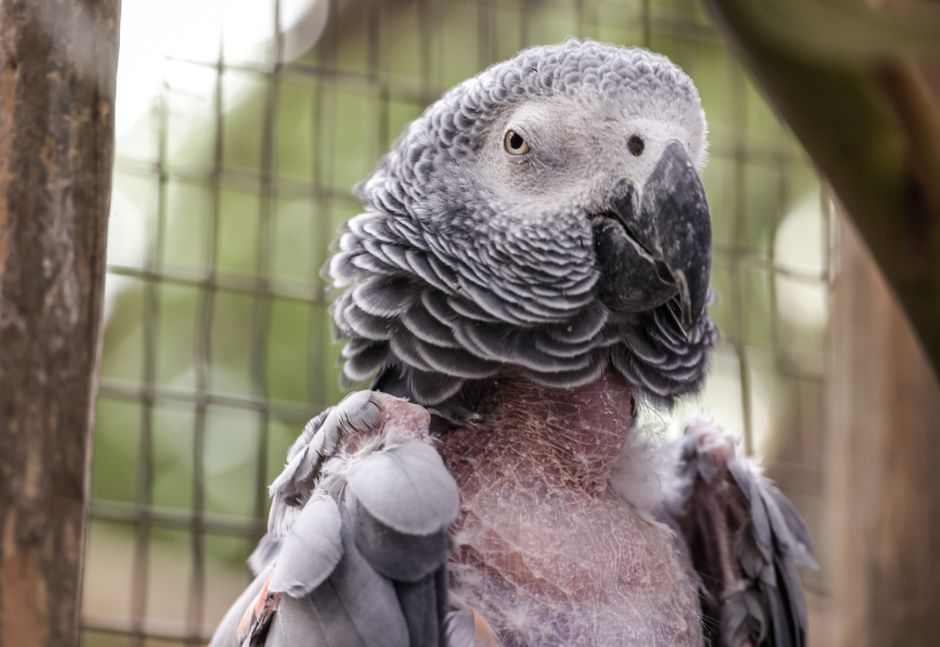
How to Stop a Parrot from Biting: Easy Guide
Getting bitten by your feathered companion hurts and leaves you feeling helpless. If you want to know how to stop a parrot from biting, the key is understanding why it happens in the first place. Birds do not bite out of malice, and with a few calm adjustments, you can rebuild trust and enjoy a peaceful bond with your pet.
Why Do Parrots Bite Their Owners?
Parrots bite because they are communicating fear, defending their territory, or testing boundaries. In the wild, birds rarely bite each other because they can simply fly away from danger. In a home setting, biting becomes their primary defense mechanism when they feel trapped or misunderstood.
Hormonal shifts can also cause unexpected behavior changes. During breeding seasons, companion birds often become protective of their cages or chosen human companions. Recognizing these natural shifts helps you adjust your handling routine before conflict starts.
Reading Parrot Body Language Before a Bite
A bird almost always gives clear warning signals before resorting to a bite. Pinned pupils, flared tail feathers, stiff posture, and an open beak all mean your pet needs space right away. Ignoring these subtle warnings forces your bird to bite to get its point across.
When you spot defensive body language, step back and let your bird settle down. Forcing your hand toward a nervous bird reinforces fear and creates long-term trust issues. Respecting these small boundary cues is the fastest way to prevent aggressive reactions.
What to Do When a Parrot Bites You
When a parrot bites you, stay calm and avoid screaming, jerking away, or flailing your arms. Loud reactions like yelling or waving can startle your bird. In some cases, dramatic reactions actually entertain birds, turning biting into a fun game that gets immediate attention.
Instead, maintain a neutral expression and quietly set the bird down on a safe perch or inside its enclosure. Give your pet a short pause before interacting again. This neutral approach teaches your pet that biting brings an immediate end to social playtime rather than drama or treats.
If your bird clamps down while sitting on your hand, lower your hand a few inches smoothly. This gentle shift throws off their balance for a second. It causes them to let go naturally to regain stability without any force or loud conflict.
How to Stop a Parrot from Biting Step by Step
Learning how to stop a parrot from biting requires consistent positive reinforcement and clear daily routines. Instead of reacting to bad habits, focus on rewarding good choices like stepping up calmly or taking treats gently from your palm.
Here is a practical step-by-step routine to reduce biting habits in companion birds:
- Observe your bird's mood daily so you avoid forcing contact during rest times or meal times.
- Offer high-value treats like small seed clusters or nut pieces directly from your fingers when your bird shows relaxed body language.
- Introduce target training with a simple wooden stick to guide your bird without placing your hands in striking distance.
- Provide plenty of safe chew toys like softwood blocks and shredded paper so your bird can direct beak energy toward appropriate items.
- Maintain a consistent schedule for meals, out-of-cage play, and rest to minimize daily stress.
Target training works exceptionally well for hesitant or fearful birds. By teaching your pet to touch the end of a chopstick for a favorite treat, you can guide them back into their living quarters without forcing physical handling.
Creating a calm environment also lowers stress levels across the board. Making sure your companion bird has proper rest hours, engaging toys, and an adequate parrot cage size reduces territorial aggression significantly over time.
How Does Diet and Environment Impact Bird Biting Behavior?
A bird eating an unbalanced diet or lacking rest will often become cranky and quick to bite. High-fat seed diets miss critical nutrients, which leads to energy spikes, physical discomfort, and unpredictable mood swings in companion parrots.
Improving Diet and Sleep to Reduce Aggression
Transitioning your pet to a nutritious pellet foundation supplemented with fresh vegetables supports stable energy levels and better mood control. If your bird currently eats only seeds, taking time to switch a bird to a pellet diet can make a noticeable difference in their daily temper.
Sleep quality plays an equally vital role in avian behavior. Most exotic birds require uninterrupted darkness and quiet for extended rest periods each night. A sleep-deprived bird quickly becomes cranky and defensive during regular interaction times.
Always consult an exotic-animal veterinarian if your bird suddenly starts biting without a clear reason. Sudden behavioral shifts often stem from hidden pain, feather issues, or underlying health conditions that require medical care.
Common Mistakes to Avoid When Training a Parrot
The biggest mistake owners make is using physical punishment, yelling, or locking a bird away in a dark space after a bite. Birds do not understand punishment, and aggressive reactions only teach your pet to view you as a threat.
Another common mistake is forcing your bird out of its enclosure when it clearly wants to stay inside. Cages represent a safe personal haven for parrots. Invading their space when they show resistance triggers natural territorial biting habits.
Avoid wearing heavy leather gloves during training sessions. Gloves hide hand signals, prevent your bird from feeling soft contact, and often look like scary predators to a timid bird. Working slowly with bare hands and tasty rewards yields far better results.
Final Thoughts
Understanding how to stop a parrot from biting comes down to patience, reward-based training, and paying close attention to body language. By respecting your bird's boundaries and creating a calm, predictable daily routine, you will replace fear with lasting trust. Explore more RarePetCare guides to learn practical tips for keeping your exotic pets healthy and happy!
Frequently Asked Questions
Why does my parrot bite me out of nowhere?
Parrots rarely bite without warning. Bites usually happen because of missed body language cues like pinned eyes, sudden room changes, or underlying fear and hormonal shifts.
Should I put my bird back in its cage after a bite?
Gently placing your bird back on a perch or in its cage gives both of you a calm cool-down period. Avoid shouting or making sudden movements, as loud reactions can reinforce the behavior.
Can target training help stop a parrot from biting?
Yes, target training allows you to guide your bird using a stick and treats. It builds trust and lets you move your pet without placing your fingers in striking distance.
How long does it take to train a parrot to stop biting?
Training duration depends on your bird's history and your consistency. Most owners notice positive changes within a few weeks of consistent positive reinforcement.
Explore More Birds Guides
 🦜Birds
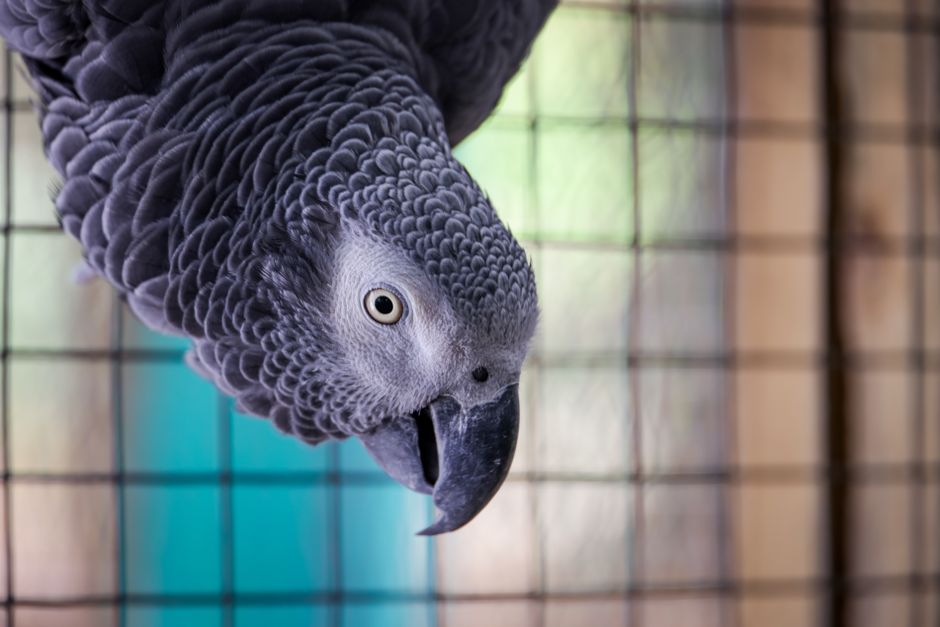
Wild Parrots of San Francisco: Rescue and Urban Life
A wild red-masked parakeet was freed by firefighters in San Francisco, showing the unique challenges feral parrot flocks face in the city.
 🦜Birds
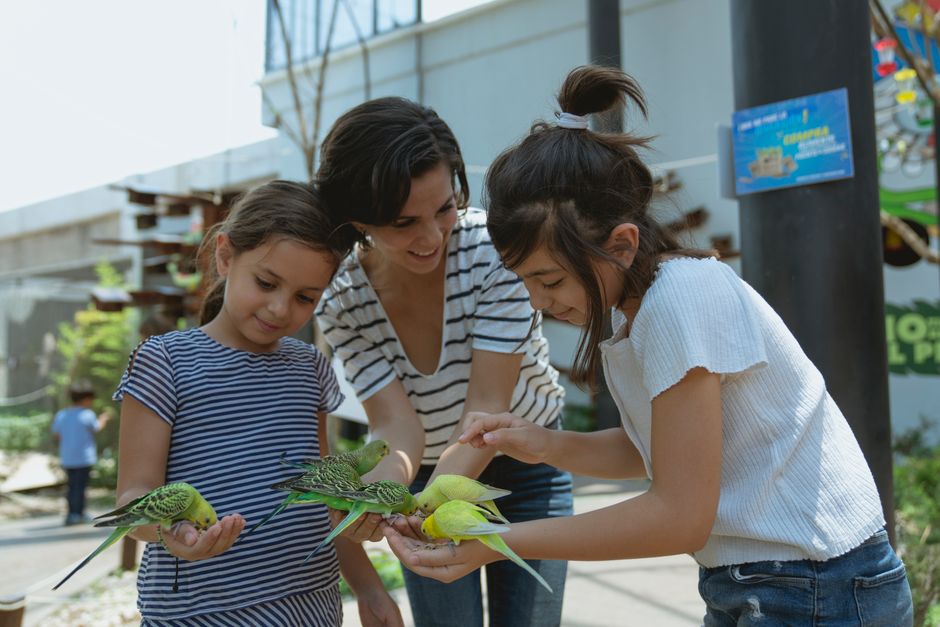
How to Bond with a Bird: Safe Steps for Pet Parents
Learn how to bond with a bird using gentle body language, predictable routines, and positive reinforcement to build lifelong trust.
 🦜Birds
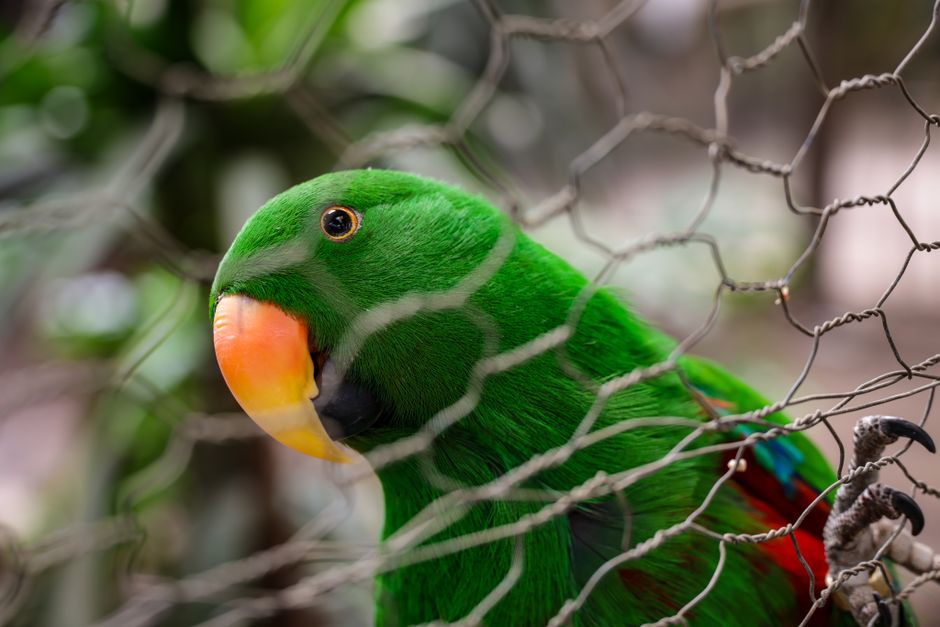
How to Stop Parrot Screaming: Safe and Proven Fixes
Discover humane, practical strategies to calm a loud bird, eliminate attention shrieks, and restore peace to your home.