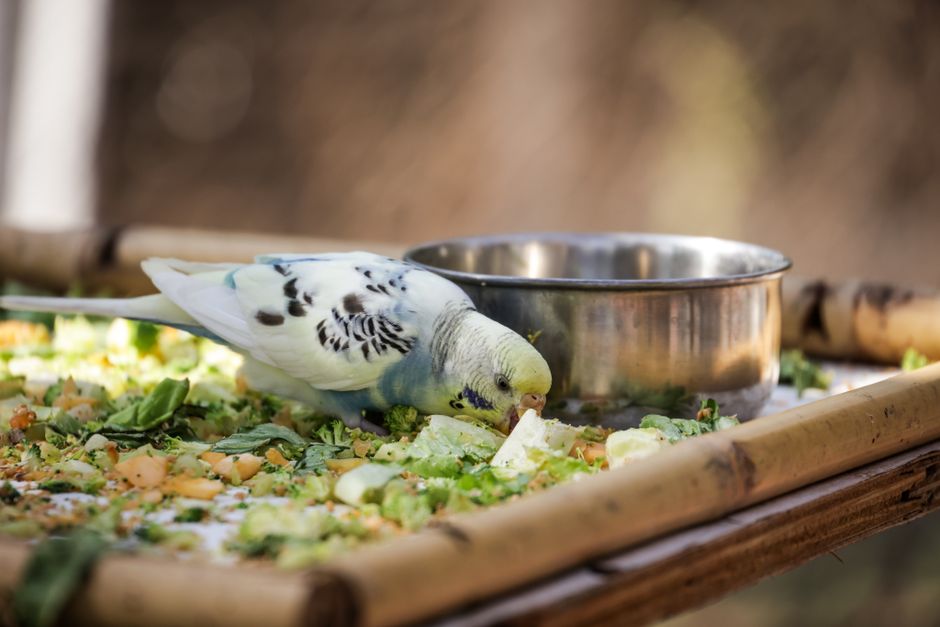
How to Switch a Bird to a Pellet Diet Easily
Many pet birds love eating seeds, but a seed-only diet lacks essential nutrients. Learning how to switch a bird to a pellet diet is one of the best choices you can make for your feathered friend's long-term health. With patience and the right methods, you can guide even the pickiest bird toward better nutrition.
Why Should You Switch Your Bird to a Pellet Diet?
You should switch your bird to a pellet diet because seed mixes are high in fat and low in critical vitamins like calcium and vitamin A. While wild birds burn off seed energy through flight and foraging, pet birds lead quieter lives in home cages. Over time, eating only seeds can lead to severe health issues like fatty liver disease, weak bones, and dull feathers.
Pellets are carefully formulated to deliver balanced nutrition in every single bite. When your bird eats a pellet, they cannot pick out their favorite seeds and ignore the rest. Feeding a solid pellet foundation helps support vibrant plumage, strong bones, and a healthy immune system.
If you want to read more about specific food options for smaller birds, check out our guide on budgie healthy diet choices to see how fresh foods fit into their daily routine.
How Long Does It Take to Transition a Bird to Pellets?
Transitioning a bird from seeds to pellets usually takes anywhere from two weeks to several months depending on your bird's age and personality. Younger birds often accept new foods in a few days, while older birds set in their ways can take much longer. Patience is critical during this transition phase so your bird stays healthy and well-fed.
Never try to switch your bird overnight by taking away all their seeds at once. Birds have fast metabolisms and can starve quickly if they refuse to recognize pellets as food. Always move at a pace your individual bird can handle without losing weight or showing signs of stress.
What Is the Best Method to Convert Your Bird to Pellets?
The best method to convert your bird to pellets is the gradual mix technique combined with structured daily feeding times. Start by mixing a small portion of pellets into your bird's regular seed bowl each morning. Over several weeks, slowly increase the amount of pellets while reducing the number of seeds.
Here are the step-by-step stages for a safe conversion process:
- Week One: Offer 75 percent seeds and 25 percent pellets in the main food bowl.
- Week Two: Change the ratio to 50 percent seeds and 50 percent pellets.
- Week Three: Shift to 25 percent seeds and 75 percent pellets while watching their droppings closely.
- Week Four and Beyond: Serve pellets as the main dish and offer a small seed portion only as an evening reward.
During this transition, place the food bowl near your bird's favorite perch inside their cage setup. If you are setting up or updating their living space, review our complete guide on parrot cage size standards to make sure your bird has enough room to move around comfortably between feeding areas.
Using Water or Juice to Soften Pellets
Some birds resist dry pellets simply because they do not recognize the texture. You can try dampening the pellets with warm water or a tiny splash of pure, unsweetened fruit juice like apple or cranberry. The warm moisture creates a soft mash that smells inviting and encourages picky birds to take a bite.
Always remove damp pellets from the cage after two hours. Moistened food breeds bacteria quickly in warm room temperatures, which can make your bird sick. Wash the bowl thoroughly before serving fresh dry pellets later in the day.
How Do You Know If Your Bird Is Actually Eating the Pellets?
You can tell your bird is eating pellets by checking their droppings and monitoring their daily weight on a digital scale. Seed-eating birds usually produce light green or dark green droppings with white urates. Once your bird consumes pellets, their droppings will change color to match the natural color of the pellet formula.
You will also notice fine pellet dust or crushed pieces at the bottom of the food dish. Picky birds often grind pellets up before swallowing them. If you see plenty of pellet dust instead of whole uneaten pellets, your bird is making great progress.
Monitoring Weight and Health During the Switch
Weighing your bird daily with a gram scale is the safest way to track their progress during a diet change. Weigh your bird first thing in the morning before they eat or drink. If your bird loses more than ten percent of their starting body weight, pause the transition immediately and offer their normal seed mix.
As a key welfare note, always consult an exotic vet if your bird stops eating, acts lethargic, or loses weight rapidly. A vet can perform a quick health check to ensure your bird is strong enough for a dietary change and offer personalized advice for stubborn eaters.
What Common Mistakes Should You Avoid When Changing Bird Diets?
The most common mistake owners make when changing bird diets is rushing the process or assuming a bird will eat pellets when hungry. Birds do not always recognize pellets as food, so taking away seeds cold turkey can lead to dangerous starvation. Another mistake is giving too many high-calorie treats during training times.
Avoid these common pitfalls to keep the transition smooth and safe:
- Removing seeds completely on day one without ensuring the bird eats pellets.
- Ignoring subtle signs of weight loss, low energy, or altered behavior.
- Leaving wet or soaked pellets in the cage long enough to grow mold or bacteria.
- Giving up too early when your bird tosses pellets out of the dish.
Remember that throwing food on the floor is normal bird behavior. Foraging behavior is instinctive, so persist with your routine even if your bird throws initial pellet offerings around the cage floor.
Final Thoughts
Learning how to switch a bird to a pellet diet takes time, consistency, and careful monitoring, but the long-term health benefits for your feathered companion are well worth the effort. By moving slowly and tracking your bird's weight daily, you can successfully upgrade their diet without unnecessary stress. Be sure to browse our other RarePetCare guides for more expert bird care tips and habitat advice!
Frequently Asked Questions
Can you switch a bird to pellets cold turkey?
No, you should never switch a bird to pellets cold turkey because birds may not recognize pellets as food and can starve. Always transition gradually over several weeks while monitoring their weight.
What should bird droppings look like after switching to pellets?
Bird droppings will change from green to the color of the pellets they eat, with soft brown or tan solid parts. Urates should remain white and wet areas clear.
How can I trick my picky bird into trying pellets?
You can trick a picky bird by soaking pellets in warm water, mixing pellets with favorite fresh veggies, or pretending to eat the pellets yourself to spark curiosity.
What percentage of a bird's diet should be pellets?
Pellets should make up roughly 60 to 75 percent of your pet bird's daily diet. The rest should consist of fresh vegetables, leafy greens, and healthy treats.
Explore More Birds Guides
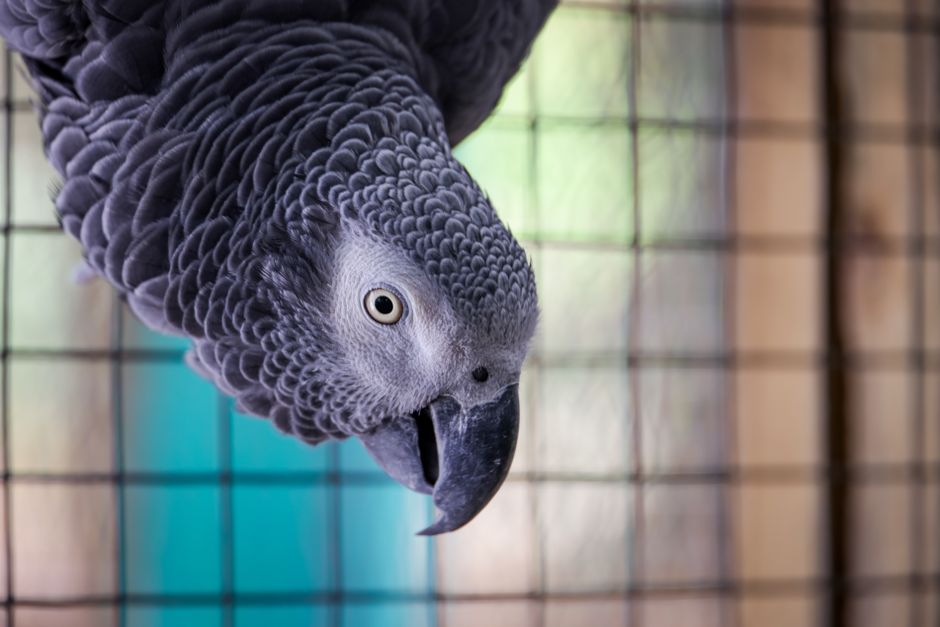 🦜Birds
Wild Parrots of San Francisco: Rescue and Urban Life
A wild red-masked parakeet was freed by firefighters in San Francisco, showing the unique challenges feral parrot flocks face in the city.
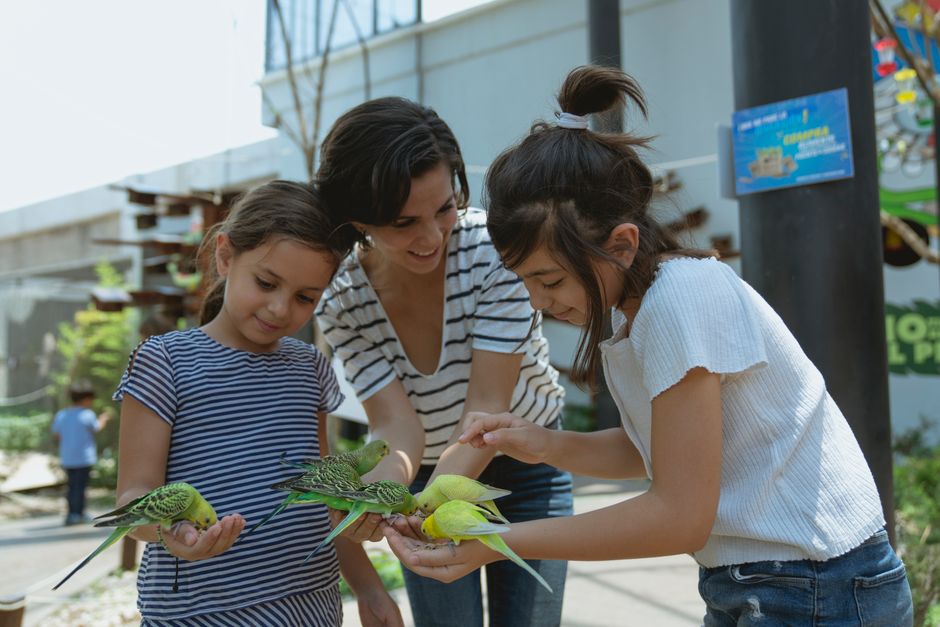 🦜Birds
How to Bond with a Bird: Safe Steps for Pet Parents
Learn how to bond with a bird using gentle body language, predictable routines, and positive reinforcement to build lifelong trust.
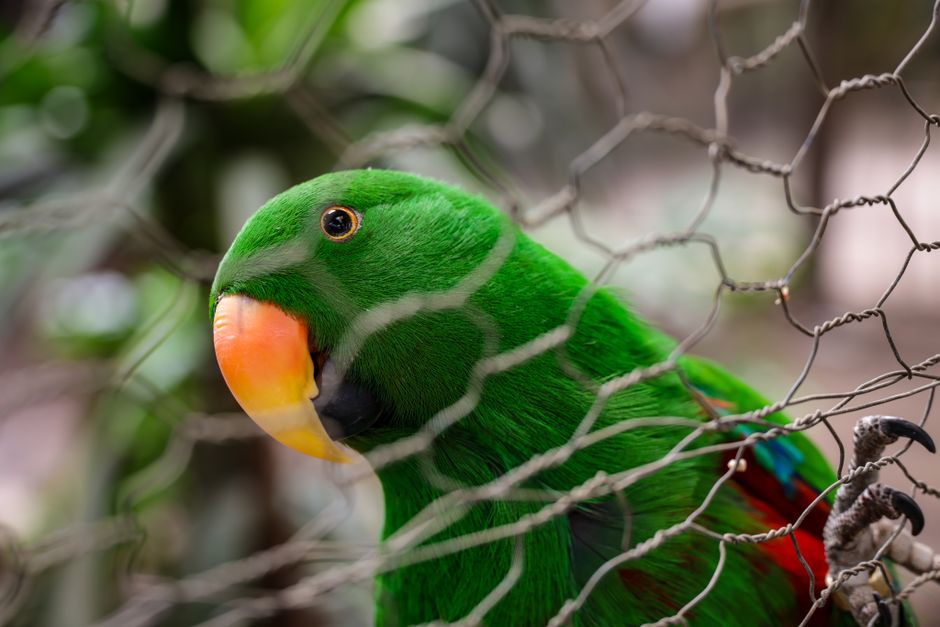 🦜Birds
How to Stop Parrot Screaming: Safe and Proven Fixes
Discover humane, practical strategies to calm a loud bird, eliminate attention shrieks, and restore peace to your home.