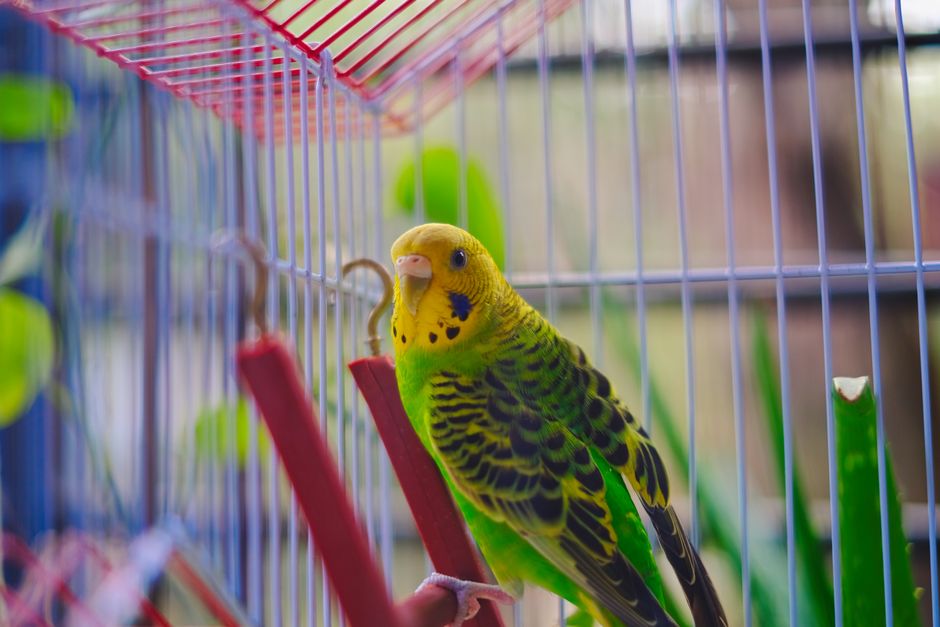
Budgie Healthy Diet: What to Feed Your Parakeet
Budgies, also known as shell parakeets, are lively and intelligent birds that bring joy to many homes. Creating a budgie healthy diet is one of the most effective ways to support your bird's long-term energy, feather quality, and overall well-being. Many new owners assume a simple bag of commercial seed is all a parakeet needs. Seed mixes alone lack essential vitamins and minerals, which can lead to serious nutritional shortages over time. Feeding a balanced combination of pellets, fresh vegetables, and occasional treat seeds will keep your feathered companion active and healthy.
What Makes Up a Budgie Healthy Diet?
A complete budgie healthy diet consists primarily of formulated pellets, leafy greens, safe vegetables, and a modest portion of seed treats. Pellets provide a uniform blend of nutrition so your bird cannot pick out only their favorite fatty seeds.
Wild budgies spend hours flying across vast distances foraging for wild grass seeds and vegetation. Pet birds live a much less active lifestyle in home cages, so heavy seed diets often lead to excessive weight gains and liver issues. High-quality pellets should make up the core of what your bird consumes every day.
In addition to pellets, fresh vegetables provide natural moisture, fiber, and vitamins. Offering daily greens keeps your pet mentally stimulated while encouraging natural chewing behavior.
Safe Fresh Foods for Parakeets
Fresh vegetables should make up a daily portion of your bird's food bowl. Dark leafy greens are exceptionally nutritious and usually popular with small parrots.
You can offer your bird a colorful variety of produce every week to expand their taste preferences. Good choices include:
- Kale, spinach, and romaine lettuce
- Broccoli florets and shredded carrots
- Zucchini slices and green beans
- Cooked sweet potato without seasonings
- Small pieces of bell pepper with seeds included
Fruit can also be offered, but only in tiny portions once or twice a week. Fruits contain natural sugars that can cause digestive upset if fed too often. Blueberry halves, small apple slices without seeds, and thin banana coins make wonderful rewards during step-up training.
How Do You Convert a Budgie from Seeds to Pellets?
You convert a budgie to pellets by introducing them slowly alongside seeds while tracking your bird's daily weight and food intake. Budgies are cautious eaters, so moving them to new food requires patience and daily consistency.
If a budgie has eaten seeds its whole life, it may not recognize pellets as real food right away. Start by mixing a small ratio of pellets into your pet's standard seed dish. Over several weeks, gradually decrease the proportion of seeds while increasing the pellets.
Another helpful method is dampening pellets with a splash of warm water or mixing them into chopped, fine greens. Budgies are naturally curious and often sample pellets when they are sticking to fresh broccoli or kale leaves.
Never try to force a diet change by removing all seed abruptly. Budgies have fast metabolisms and can become dangerously weak if they refuse to eat unfamiliar pellets. Just like preparing when learning how to travel with a pet bird safely, steady preparation and daily monitoring prevent unnecessary stress.
What Fresh Vegetables and Foods Are Dangerous for Budgies?
Dangerous foods for budgies include avocado, chocolate, fruit seeds, caffeine, onions, garlic, and high-salt human snacks. These items contain natural compounds that can cause rapid illness or fatal reactions in small exotic birds.
Avocado is especially toxic to birds because it contains persin, a compound that damages heart tissue and causes severe breathing trouble. Even a tiny bite of avocado flesh or skin can cause severe medical emergencies. Onions and garlic contain sulfur compounds that break down red blood cells in avian bodies.
You must also take care when preparing fresh fruits like apples, cherries, and peaches. While the flesh of these fruits is safe, the seeds and pits contain traces of cyanide compounds and must be removed entirely before serving.
Here are several common items that should never enter your bird's cage or food dish:
- Avocado flesh, skin, and pits
- Chocolate and caffeinated beverages
- Onions, garlic, and chives
- Apple seeds, cherry pits, and plum pits
- Salty snacks, chips, and buttered popcorn
- Alcohol and sugary human treats
How Often Should You Feed Your Budgie Each Day?
You should offer fresh pellets and clean water every morning, while serving fresh vegetables once daily and removing uneaten produce after a few hours. Setting a predictable daily schedule helps reduce stress and keeps your pet calm.
In the morning, replace old food bowls with clean dishes containing fresh pellets. Check water containers to ensure they are clean and free of dropped seeds, droppings, or loose feathers. Keeping clean water available continuously is essential for proper digestion and hydration.
Offer fresh chop or chopped vegetables during mid-morning or late afternoon when your bird is naturally active. Remove any remaining raw produce after three to four hours so mold and spoilage do not develop in the warm cage environment.
Consult an exotic-animal veterinarian if you notice unexpected weight changes, lethargy, or changes in droppings, as these signs can indicate underlying health problems. Regular checkups with an avian professional help ensure your feeding plan matches your pet's individual needs.
Keep high-value treat items like millet spray or sunflower seeds strictly for reward time and bonding exercises. If you enjoy working on parrot interaction techniques, similar to how owners practice how to bond with a conure, offering a favorite seed by hand strengthens your bond without overfeeding extra calories.
Final Thoughts
Transitioning your bird to a budgie healthy diet takes time and gentle persistence, but it leads to a brighter coat, higher energy, and a happier companion. Focus on high-quality pellets, fresh daily vegetables, and smart treat portioning to give your parakeet the best life possible. Explore our other RarePetCare guides to learn more practical bird care tips for your home.
Frequently Asked Questions
Can budgies eat fruit every day?
No, budgies should not eat fruit every day because fruits are high in natural sugars that can cause digestive issues. Offer fruit as a treat once or twice a week in very small portions.
Is millet bad for budgies?
Millet is not bad, but it is high in calories and fat compared to pellets. Use spray millet as a training reward rather than a primary food source.
How can you tell if a budgie is eating pellets?
Check the bottom of the food dish for crushed pellet dust and observe daily droppings. Healthy, consistent droppings indicate your bird is consuming adequate food.
Do budgies need grit in their diet?
Budgies do not need insoluble grit because they remove seed hulls before swallowing. Insoluble grit can accumulate in their crop or stomach and cause blockages.
Explore More Birds Guides
 🦜Birds
Wild Parrots of San Francisco: Rescue and Urban Life
A wild red-masked parakeet was freed by firefighters in San Francisco, showing the unique challenges feral parrot flocks face in the city.
 🦜Birds
How to Bond with a Bird: Safe Steps for Pet Parents
Learn how to bond with a bird using gentle body language, predictable routines, and positive reinforcement to build lifelong trust.
 🦜Birds
How to Stop Parrot Screaming: Safe and Proven Fixes
Discover humane, practical strategies to calm a loud bird, eliminate attention shrieks, and restore peace to your home.