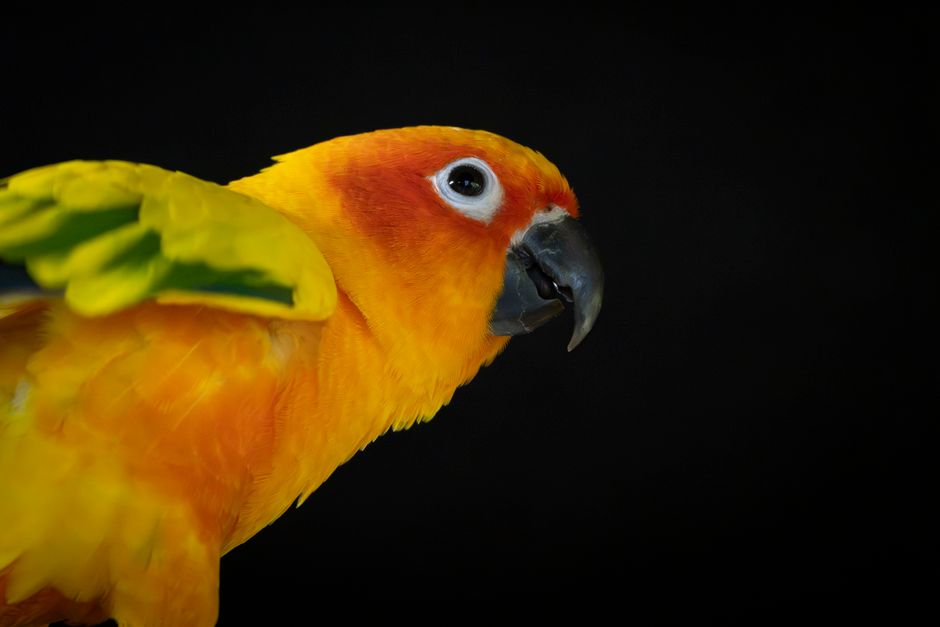
How to Travel With a Pet Bird Safely: Owner Guide
Taking your feathered companion along on a trip can be a wonderful adventure, but it requires thorough preparation. Birds are highly sensitive to sudden changes in motion, air temperature, and unfamiliar sounds. If you plan to travel with a pet bird, taking the right steps beforehand ensures your trip remains safe, quiet, and stress-free for both of you.
What Is the Best Way to Travel With a Pet Bird?
The best way to travel with a pet bird is inside a sturdy, compact travel carrier designed specifically for small animals or birds. A smaller travel carrier keeps your bird secure during sudden vehicle stops and limits wild movement that leads to balance loss or wing injury.
Leaving your bird in a standard, large home cage during a car ride is unsafe. Large cages have too much open space, which allows birds to fall off perches when the vehicle turns or brakes. A compact carrier gives your bird a cozy, stable environment where holding onto a perch is easy.
Choosing the Right Travel Carrier
Select a travel carrier that fits your bird's body size without squishing tail feathers. Wire bird travel cages or hard-sided pet carriers work best because they offer strong protection and plenty of airflow. Soft-sided carriers work for smaller, calm species like finches or cockatiels, but aggressive chewers can quickly bite through fabric mesh.
Make sure the carrier floor has non-slip lining. A layer of paper towels over a rubber grip mat works well. Install one low perch made of natural wood or textured rope so your bird can maintain a firm grip throughout the drive.
How Do You Prepare a Bird for a Long Car Trip?
You prepare a bird for a long car trip by introducing the travel carrier weeks before your actual departure date. Place the open carrier in your bird's normal living area and place favorite treats inside so your pet builds positive associations with the box.
Never force your bird into a carrier right before a long trip without prior acclimation. Forcing a frightened bird into an unfamiliar container creates intense fear before the engine even starts. Allow your bird to explore the box on its own terms over several days.
Once your bird comfortably steps into the carrier, begin taking short test drives around your block. Start with a five-minute drive, then increase to fifteen minutes. These practice runs help your bird adapt to the sounds, vibrations, and movements of a motor vehicle.
Essential Items for Your Bird Travel Kit
Packing a dedicated travel bag ensures you have every necessary item within arm's reach during your trip. Assemble a small bag containing these essential items:
- Fresh bottled drinking water and your bird's standard seed or pellet food
- Hydrating produce like cucumber slices, seedless grapes, and apple chunks
- Spare paper towels, newspaper liners, and pet-safe cleaning wipes
- A lightweight breathable sheet or light towel to cover the carrier during high-stress moments
- A basic avian emergency kit containing styptic powder, small blunt scissors, and vet tape
- A copy of your bird's medical records and your veterinarian's contact information
How Do You Keep Your Bird Safe Inside the Vehicle?
You keep your bird safe inside the vehicle by anchoring the travel carrier securely with a seatbelt and controlling the climate inside the car. Place the carrier on a back seat or floorboard where air bags will not deploy against it in an emergency.
Loop the car seatbelt tightly around the carrier handle or body to prevent sliding during fast stops. Position the carrier away from direct sunlight streaming through side windows, as glass amplifies heat rapidly. Never place a carrier directly in front of air conditioning vents or heating blowers.
Keep cabin temperatures consistent throughout the drive. Sudden cold drafts or overheating cause rapid stress in avian pets. Keep car windows rolled up to block wind roar and prevent accidental escapes.
Building strong trust with your pet beforehand makes managing road stress much easier. Owners who focus on bonding with your bird at home notice that their pets look to them for comfort during travel. Speak in a gentle, reassuring tone whenever you stop or check on your pet.
How Do You Feed and Hydrate a Bird on the Road?
You feed and hydrate a bird on the road by offering high-moisture foods and taking planned breaks rather than leaving full water dishes inside the moving carrier. Open water bowls spill easily on bumpy roads, leading to wet feathers and chilled birds.
Offer watery snacks like apple slices, berries, or cucumber chunks while driving. These foods provide hydration without messy spills. Attach a small food cup with a tiny portion of dry seeds or pellets to keep your bird content.
Offer fresh drinking water in a secure cup during rest stops every two to three hours. Hold the cup steady for your bird while the car is parked. Never open the carrier door while car doors or windows are open. Always double-check that all car doors are shut tight before opening the carrier to check on your pet.
How Do You Set Up a Safe Space at Your Destination?
You set up a safe space at your destination by inspecting the room for household hazards before letting your pet out of its carrier. Hotel rooms and rental homes contain hidden dangers that can harm an adventurous bird.
Scan the room carefully before opening the carrier door. Check for these common danger spots:
- Open windows, unlatched patio screen doors, or open bathroom toilets
- Running ceiling fans, exposed electrical cords, or sharp curtain hardware
- Plug-in air fresheners, scented candles, or lingering cleaning chemicals
- Non-stick cookware or hot irons in kitchenette spaces
Birds possess extremely delicate respiratory systems that react quickly to toxic fumes, scented sprays, or Teflon heat vapors. Always consult an exotic-animal veterinarian immediately if your bird displays heavy breathing, open-beak panting, fluffing of feathers, or continuous lethargy during travel.
Set up your bird's travel cage or portable enclosure in a quiet corner of the room away from heavy foot traffic. Cover three sides of the enclosure with a light sheet to give your bird a sense of security while getting used to new sights and smells. Stick to your bird's regular feeding time, play time, and darkness schedule as closely as possible.
Final Thoughts
Learning how to travel with a pet bird allows you to share wonderful journeys while protecting your companion's health and comfort. Early training, secure travel carriers, and constant temperature control keep car trips smooth and hassle-free. Take time to explore our other detailed care guides on RarePetCare to keep all your unique pets happy and healthy.
Frequently Asked Questions
Can pet birds get car sick?
Yes, pet birds can experience motion sickness during car rides. Keeping the carrier covered on three sides and placing it in a stable, forward-facing position helps reduce nausea.
How long can a bird stay in a travel carrier?
A bird can safely stay in a travel carrier for two to three hours at a time between rest breaks. You should offer water, food, and a chance to stretch during planned stops.
Is flying on an airplane safe for a pet bird?
Flying can be safe for pet birds if they travel in the cabin with you under the seat. Avoid placing birds in cargo holds due to extreme temperature swings and pressure shifts.
Should I cover my bird's carrier while driving?
Covering three sides of the carrier with a breathable sheet often reduces travel anxiety by blocking flashing lights and passing traffic. Leave the front open for airflow and visibility if your bird prefers looking at you.
Explore More Birds Guides
 🦜Birds
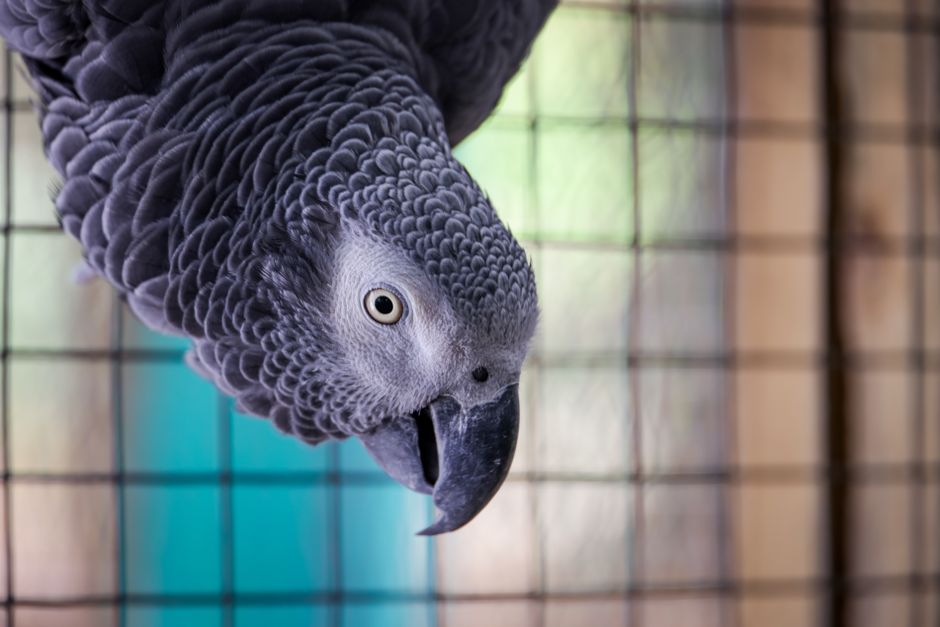
Wild Parrots of San Francisco: Rescue and Urban Life
A wild red-masked parakeet was freed by firefighters in San Francisco, showing the unique challenges feral parrot flocks face in the city.
 🦜Birds
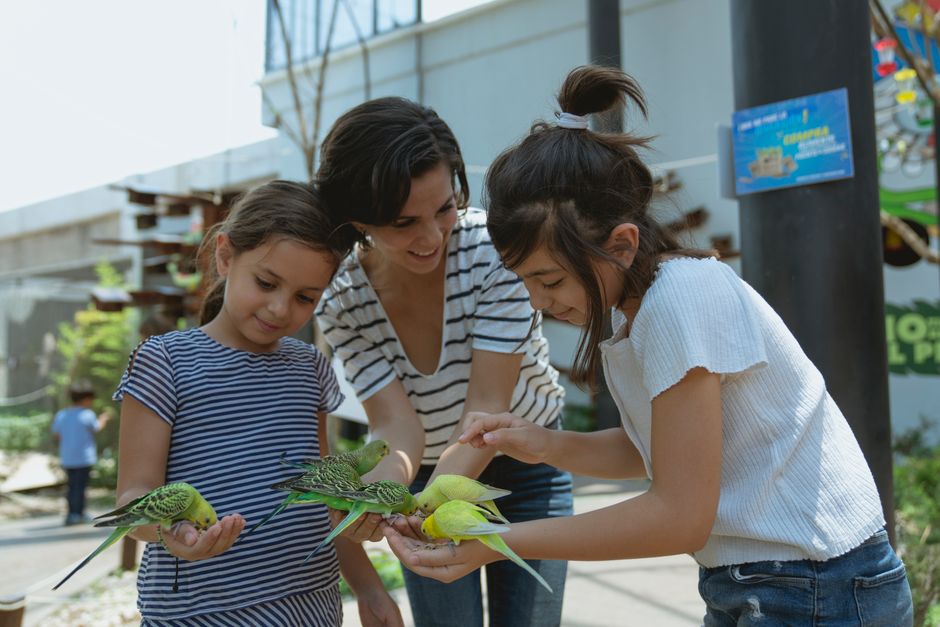
How to Bond with a Bird: Safe Steps for Pet Parents
Learn how to bond with a bird using gentle body language, predictable routines, and positive reinforcement to build lifelong trust.
 🦜Birds
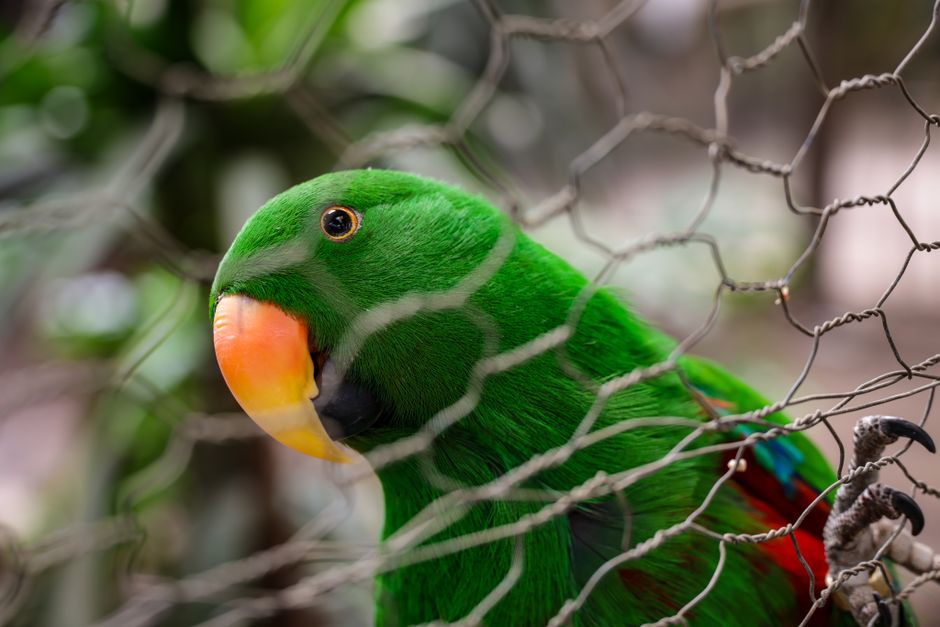
How to Stop Parrot Screaming: Safe and Proven Fixes
Discover humane, practical strategies to calm a loud bird, eliminate attention shrieks, and restore peace to your home.