Sea Turtle in Monterey Bay: Why Tropical Reptiles Drift North
Whale watchers off the coast of central California recently got an unexpected surprise when a tropical reptile surfaced right next to their boat. Seeing a sea turtle in Monterey Bay is an extraordinary event because these waters are normally far too chilly for warm-water species.
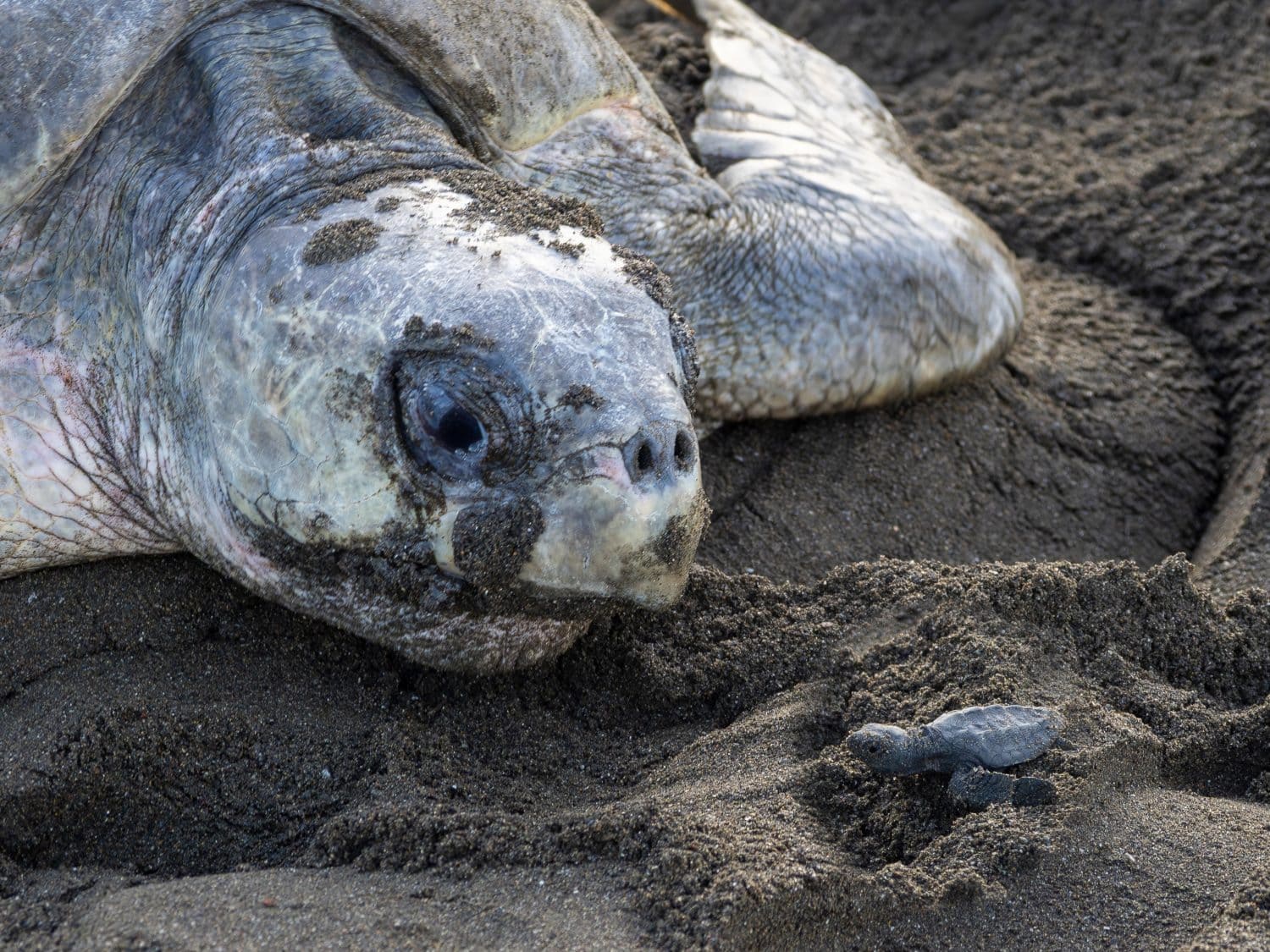
A sea turtle in Monterey Bay is usually a pelagic wanderer, such as an olive ridley, that traveled hundreds of miles outside its normal tropical range by riding warm ocean currents. When these warm water pockets dissipate, the cold Pacific temperatures put the reptile at immediate risk of hypothermia and metabolic failure.
Reptile lovers and wildlife enthusiasts are naturally fascinated by these sightings. To understand how a tropical creature ends up so far from home, we need to examine ocean currents, reptilian biology, and what happens when cold water traps a wandering animal.
Why Did a Sea Turtle in Monterey Bay Surprise Observers?
A sea turtle in Monterey Bay surprised observers because Monterey Bay typically features cold, nutrient-rich upwelling waters that sit well below the comfort zone of tropical reptiles. Species like the olive ridley usually stay in warm coastal shelves and open tropical seas near Central America and Mexico.
During certain months, shifting currents and seasonal weather patterns push bands of warmer water farther north along the Pacific coast. When an olive ridley follows schools of small pelagic crabs or floating jellyfish, it can easily drift along with these currents without realizing it has left its home territory.
The turtle seen beside the whale-watching boat was relying entirely on a localized pocket of mild water. As long as that temporary thermal corridor holds, the animal can stay active and hunt. Once that warm pocket mixes with the surrounding sub-polar California current, conditions turn hostile very quickly.
This kind of wandering happens occasionally with other marine creatures too. Much like when unusual amphibians turn up in residential areas, which you can read about in our guide on frogs visiting swimming pools, wild animals simply follow resources and moisture until environmental limits stop them in their tracks.
What Makes the Olive Ridley Sea Turtle Unique?
The olive ridley is the smallest and most abundant of all sea turtle species, recognized by its heart-shaped olive-green shell and unique mass nesting habits. Adults generally weigh under one hundred pounds and spend the majority of their lives foraging in the open ocean.
Unlike some of their larger cousins that feed exclusively on sea grass or large jellyfish, olive ridleys are opportunistic carnivores. They eat crabs, shrimp, small mollusks, tunicates, and fish. This wide dietary preference often leads them to track shifting bait balls across deep pelagic waters.
Because they are smaller than green turtles or loggerheads, their bodies hold less thermal mass. That biological trait makes them much more vulnerable to sudden drops in water temperature than larger reptiles.
Mass Nesting and Conservation Vulnerabilities
Olive ridleys are famous for synchronized mass nestings known as arribadas, where tens of thousands of females gather on specific beaches at the same time. While this nesting strategy overwhelms natural predators, it also leaves regional populations vulnerable to human disturbance and coastal development.
Conservationists spend decades protecting these critical nesting zones. Work like this parallels other historic reptile preservation projects, such as the famous story of Diego the tortoise and species rescue programs that helped return wild chelonians from the brink of collapse.
What Happens When Tropical Sea Turtles Enter Cold Water?
When tropical sea turtles enter cold water, their internal body temperature plummets, triggering a life-threatening medical emergency known as cold-stunning. Because reptiles are ectothermic, they cannot generate their own internal body heat and depend completely on their environment to regulate basic biological functions.
As water temperatures drop, an olive ridley slows down dramatically. Its heart rate drops, digestion stops, and muscle function diminishes until the animal can no longer swim or hold its head above water to breathe. In many cases, stunned turtles simply float passively at the surface, pushed around by the wind and tide.
This reality is an important welfare reminder for all reptile enthusiasts. Whether managing an exotic pet turtle at home or observing wild reptiles along the coast, precise thermal support is non-negotiable for their survival. Pet owners must always maintain accurate basking zones and thermal gradients, while wild reptiles must remain in their natural climate zones to stay healthy.
Cold-stunned marine turtles face several secondary dangers if they do not receive immediate intervention:
- Severe dehydration and starvation caused by an inability to dive or forage.
- Boat strikes and surface collisions because the turtle cannot swim downward to escape vessels.
- Predation from sharks, sea lions, and large gulls while immobilized on the surface.
- Secondary respiratory infections and pneumonia from inhaling water or suffering prolonged hypothermia.
How Wildlife Rescuers Help Cold-Stunned Reptiles
Wildlife rescue teams help cold-stunned sea turtles by slowly rewarming them over several days and providing intensive veterinary supportive care. Rescuers cannot warm a cold reptile quickly, because rapid temperature shifts can cause fatal metabolic shock.
When a turtle is retrieved from cold northern waters, it is transported in a dry, padded container kept at a temperature only slightly higher than the water it left. Specialist marine mammal and sea turtle hospital teams check blood chemistry, administer rehydration fluids, and treat shell abrasions or eye damage.
The animal is then warmed by just a few degrees each day until its core temperature reaches a normal, healthy range. Once the turtle regains its appetite, passes medical exams, and swims strongly in a rehabilitation tank, teams coordinate its transport back to warm southern waters for release.
What Should Boaters Do If They Spot a Sea Turtle?
If boaters spot a sea turtle in temperate or cold northern waters, they should immediately slow their vessel, maintain a safe distance, and contact local wildlife authorities. Interacting directly with the animal or attempting to pull it aboard can cause additional stress or injury.
Sea turtles are federally protected animals. Touching them or keeping them without authorization is illegal, even if your intentions are helpful. The best help an observer can provide is accurate reporting.
Follow these practical steps if you encounter an unusual marine reptile while out on the water:
- Record the exact GPS coordinates or geographic landmarks of the sighting.
- Note the turtle's physical condition, including whether it is active, diving, or floating listlessly.
- Take clear photos or video from a legal distance to help biologists confirm the exact species.
- Call your regional marine stranding network or the state fish and wildlife hotline right away.
Final Thoughts
The unexpected appearance of a sea turtle in Monterey Bay provides a fascinating look at the limits of marine reptile migration and physiology. These tropical visitors remind us how deeply all reptiles rely on specific ambient temperatures to stay active and healthy. Explore more RarePetCare guides to learn how wild reptile biology informs proper care for exotic animals at home.
Frequently Asked Questions
Are sea turtles common in Monterey Bay?
No, tropical sea turtles like the olive ridley are rare in Monterey Bay, though cold-tolerant leatherback sea turtles visit regularly to feed on jellyfish.
What should you do if you find a cold-stunned sea turtle?
Do not push the turtle back into the water or attempt to warm it yourself. Call your local marine stranding network immediately and report your exact location.
Can olive ridley sea turtles survive cold water?
Olive ridleys cannot survive prolonged exposure to cold water because their metabolism shuts down, leading to hypothermia, immobility, and eventual drowning.
How do tropical sea turtles end up off northern California?
They usually follow temporary corridors of warm ocean currents while hunting for food and become trapped when surrounding waters cool down.
Explore More Reptiles Guides
 🦎Reptiles
Alligator at Orlando Airport: Why Runways Attract Them
Learn why alligators end up on the runway at Orlando airport, how ground crews handle them, and what keeps these reptiles moving.
 🦎Reptiles
Bearded Dragon Shedding: Signs, Timeline, and Care
Learn how to spot bearded dragon shedding signs, handle stuck skin safely, and keep your reptile comfortable throughout the molting process.
 🦎Reptiles
Diego the Tortoise: How One Reptile Saved His Species
Discover how Diego the tortoise fathered over 800 offspring to rescue the Española giant tortoise from the brink of extinction.