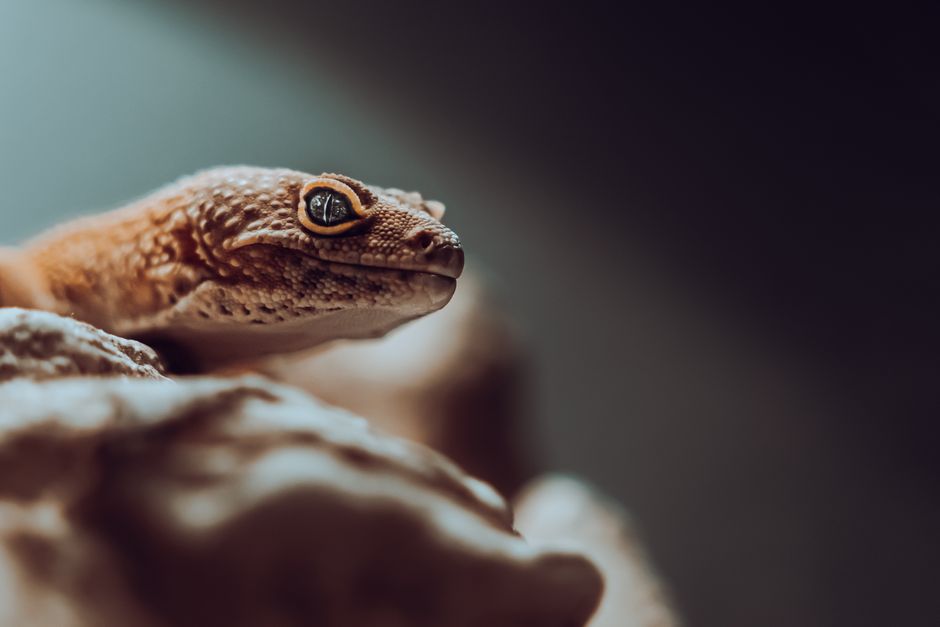
Leopard Gecko Tank Setup: Easy Beginner Guide
Setting up your first reptile home should feel exciting, not overwhelming. A proper leopard gecko tank setup provides a secure enclosure with a warm basking side, a cool side, low humidity, safe flooring, and at least three dedicated hides to keep your pet happy and healthy. Giving your gecko the right environment from day one prevents stress and supports digestion.
Before bringing your new pet home, take time to assemble the habitat completely. Testing your heating elements and instruments beforehand guarantees that your gecko steps into a safe space without sudden temperature swings.
What Size Enclosure Does a Leopard Gecko Need?
An adult leopard gecko needs an enclosure that measures at least twenty to forty gallons, with a strong focus on ground floor space rather than height. Because these geckos are strictly ground dwellers that do not climb glass walls, long and wide tanks are much more valuable than tall ones.
Young hatchlings can start in smaller spaces, but buying a full-sized adult terrarium right away saves money. Look for front-opening glass terrariums. Front doors make daily spot cleaning and feeding much easier, and approaching your gecko from the side prevents the panic that comes from reaching in from above like a predator.
A secure screen top is mandatory for proper ventilation. Leopard geckos need clean airflow to prevent stale air pockets. Unlike tropical pets featured in our White's tree frog habitat setup guide, leopard geckos need dry air and low ambient humidity throughout the main enclosure.
How Do You Set Up Proper Heating and Lighting?
A leopard gecko requires a distinct temperature gradient across the tank, featuring a warm basking area on one end and a cooler retreat on the other. This temperature difference lets your gecko regulate its own body heat by moving back and forth as needed throughout the day.
Overhead heating using a deep heat projector or a ceramic heat emitter creates a natural basking zone. Pair your heat source with a reliable dimming thermostat to prevent overheating. Place digital thermometers with probes directly on the ground on both the warm side and the cool side to track actual surface temperatures. Stick-on plastic dials are notoriously inaccurate and should be avoided.
Do Leopard Geckos Need UVB Lighting?
While leopard geckos are crepuscular and active mostly at dawn and dusk, gentle low-level UVB light provides proven physical benefits. A low-output linear shade-dweller UVB bulb helps them synthesize vitamin D3 naturally, which prevents metabolic bone disease. Always turn off all visual lights at night to maintain a natural day and night cycle.
What Are the Best Hides for a Leopard Gecko Tank Setup?
A successful leopard gecko tank setup must include a minimum of three distinct shelters: a warm hide, a cool hide, and an enclosed humid hide. Placing these three shelters in specific zones satisfies your gecko's natural instincts to stay hidden while managing body heat and shedding skin.
Position the warm hide directly over or under your primary heat source. Your gecko will spend hours resting here after eating, using the belly warmth to digest meals properly. Place the second hide on the far opposite end of the terrarium, creating a cool retreat when your pet wants to cool down.
Why the Humid Hide Is Essential
The humid hide acts as a miniature microclimate that prevents stuck skin on delicate toes and tail tips. Line this enclosed container with damp paper towels or moist sphagnum moss, and keep it lightly misted. Check this hide every couple of days to make sure the medium stays clean and free of mold.
Which Substrate Is Safe for Your Leopard Gecko?
The safest substrates for a beginner leopard gecko habitat are non-particle options such as plain paper towels, unprinted butcher paper, or textured slate tile. These flat surfaces eliminate the dangerous risk of accidental impaction, which happens when a gecko swallows loose material while hunting live insects.
Paper towels make an outstanding starter floor because they are cheap, easy to replace, and let you monitor droppings easily. If you prefer a natural stone appearance, slate or ceramic tiles conduct heat gently and naturally wear down your gecko's tiny claws.
To maintain a clean and sanitary home, follow these simple substrate management habits:
- Spot clean droppings and remove uneaten feeder insects every single evening.
- Replace paper substrates completely once every week to prevent bacteria buildup.
- Avoid dangerous materials like calcium sand, fine gravel, walnut shells, and cedar shavings.
- Wipe down tile floors weekly using a reptile-safe disinfectant or diluted vinegar solution.
Always research your animal's full adult care requirements before purchasing any supplies. If you notice persistent lethargy, lack of appetite, or difficulty moving, schedule a checkup with an experienced exotic-animal veterinarian right away.
What Water and Decor Should You Add?
Your terrarium should feature a shallow water dish filled with clean, fresh water, along with low branches, cork bark flats, and artificial plants for cover. Providing ample surface clutter helps your gecko feel safe enough to explore the enclosure instead of staying hidden round the clock.
Select a water bowl with shallow sides so your pet can drink without any risk of slipping in or getting stuck. Keep a small separate dish containing pure calcium without added vitamin D inside the tank at all times. Geckos can lick from this dish whenever their bodies crave extra minerals.
Arrange synthetic vines and textured rocks between the hides to break up open floor space. Geckos appreciate having covered runways as they move between the warm and cool sides of their home. Ensure that every heavy rock or piece of wood rests firmly on the bottom glass so it cannot shift and pin your pet.
Final Thoughts
Creating a reliable leopard gecko tank setup takes only an afternoon of careful planning and the right basic equipment. Once your temperature gradient, three secure hides, and safe flat flooring are in place, your new spotted companion will thrive for years to come. Explore our other reptile and exotic pet guides on RarePetCare to keep learning how to give your animal companions the best possible care.
Frequently Asked Questions
Can two leopard geckos share the same tank setup?
No, leopard geckos are strictly solitary animals and should always be housed alone to prevent territorial fighting, severe bites, and chronic stress.
Do leopard geckos need a red light bulb at night?
No, colored night bulbs disrupt normal sleep patterns because reptiles can see colored light. Use lightless heat sources like ceramic heat emitters instead.
How often should I clean the entire gecko enclosure?
Perform spot cleaning every day to remove waste, and conduct a thorough deep clean of the tank, decor, and substrate once every month.
Where should the humid hide be placed in the tank?
Place the humid hide in the middle or toward the warm side of the enclosure so the ambient warmth creates comfortable humidity inside without drying out too fast.
Explore More Reptiles Guides
 🦎Reptiles
Naming a New Snake Species: Why It Took 7 Years
A scientist waited seven years to name a rare Ethiopian snake, balancing animal welfare and reptile taxonomy along the way.
 🦎Reptiles
Snakes in Hawaii: Pet Laws and Penalties Explained
Learn why snakes in Hawaii are strictly illegal, the heavy penalties violators face, and how the state reptile amnesty program works.
 🦎Reptiles
How Long Can You Leave a Snake Alone? Safe Travel Guide
Planning a trip? Learn how long you can safely leave your pet snake alone, key enclosure checks, and when you must hire a pet sitter.