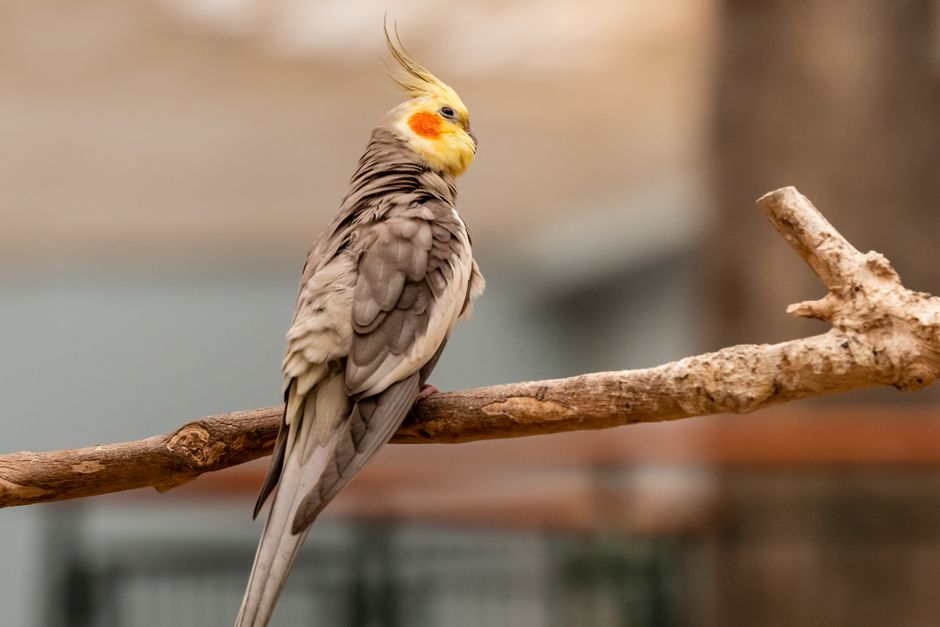
Lost Cockatiel Identification: How to Verify Your Bird
Few moments cause more panic for a pet parent than an open door and an empty cage. Lost cockatiel identification is the process of confirming a found bird's true owner through unique physical markings, leg band numbers, microchips, and distinctive learned behaviors. When an escaped bird turns up weeks later, excitement can make it easy to overlook small differences that prove who the bird really belongs to.
It is surprisingly common for well-meaning rescuers to return the wrong feathered companion. A bird may look familiar at first glance, but subtle clues in posture, singing, and daily habits quickly tell the real story. Here is what every bird owner needs to know about identifying a lost cockatiel and ensuring every pet returns to its rightful home.
Why Lost Cockatiel Identification Can Be Confusing
Lost cockatiel identification is challenging because many cockatiels share identical color mutations, feather patterns, and body sizes. Standard grey cockatiels, lutinos, and pieds often look almost identical to an untrained eye, especially after spending days outdoors surviving in trees and yards.
When a bird goes missing, stress levels run high. A family eager to welcome their pet home might overlook small physical variations. A stranger finding a friendly bird will assume it belongs to the nearest person reporting a lost pet. However, companion birds can fly much farther than most people expect. Strong winds and predator chases can push a small bird dozens of miles away from its home neighborhood.
Just as unexpected behaviors in reptiles prompt owners to search why is my bearded dragon turning black, bird parents must pay close attention to unusual vocal shifts and habits when evaluating a found pet. Small behavioral differences are often the first sign of a mix-up.
Behavioral Clues That Reveal a Bird's True Identity
Learned behaviors are among the most reliable ways to tell two similar birds apart. Cockatiels pick up distinct vocal patterns, whistling specific songs, mimicking household noises, or repeating phrases taught by their primary caregivers.
If your missing bird was known for tearing up wallpaper and chattering quietly, but the returned bird happily whistles complex tunes like nursery rhymes, you are likely looking at someone else's pet. Cockatiels also retain specific routines. They recognize their favorite treats, react differently to hands versus perches, and respond to familiar voice tones. Take note if a bird ignores commands it previously knew or shows sudden enthusiasm for songs your household never played.
Physical Clues for Lost Cockatiel Identification
Physical clues provide concrete proof of a cockatiel's identity through leg band codes, microchip scans, feather color mutations, and unique physical quirks. While plumage can change slightly after a molt or outdoor wear, core physical traits remain consistent.
Always inspect the bird under good lighting once it is safe inside a travel carrier. Look closely at the feet, nares, beak shape, and crest. Documenting these traits right away helps confirm whether the bird is yours or belongs to an owner searching in another town.
- Leg band details: Read the letters, numbers, state codes, and year stamped on the closed or open band around the leg.
- Microchip registration: Ask an avian veterinarian to scan between the bird's pectoral muscles for an electronic identification chip.
- Specific feather quirks: Note distinct color patches, missing toenails, healed beak scratches, or uneven crest lengths.
- Wing trim status: Check whether flight feathers are fully grown, partially trimmed, or freshly molted.
Always photograph these features clearly. Having clear photo evidence protects both the rescuer and the owner during reunions.
What to Do If You Receive the Wrong Lost Pet Bird
If you realize a returned bird is not actually yours, keep the bird safe in a quiet room and immediately contact local animal shelters, avian rescue networks, and online lost pet groups. Do not release the bird back outside, as domestic cockatiels lack the survival skills needed to endure predators, bad weather, and starvation.
Expand your search radius when looking for the true owner. Escaped pet birds frequently travel between twenty and fifty miles before being captured by helpful neighbors. Post clear photos on regional lost and found databases, community boards, and social media pet groups in surrounding counties.
Provide clean water, a standard cockatiel seed or pellet mix, and a calm space while you search for the real family. If caring for an unfamiliar bird becomes difficult, reach out to an established parrot sanctuary or foster network that can house the bird safely during the search.
Steps to Take Before Claiming a Found Cockatiel
Before claiming any found cockatiel, compare your historical photos, vet paperwork, and band records against the bird currently in rescue care. Verifying these records ensures you bring home the correct bird and avoid unnecessary heartbreak for another searching family.
As an essential welfare rule, consult an exotic-animal veterinarian for a full health check and quarantine guidance whenever an escaped bird is recovered. Outdoor exposure puts birds at risk for parasites, bacterial infections, and dehydration. A thorough vet visit ensures the bird is healthy before rejoining your household flock.
Bring documentation to the meeting. Old videos showing your bird singing specific tunes or interacting with family members serve as strong proof of ownership. Reputable rescue groups will appreciate your thoroughness, as their main goal is placing every lost bird back with its genuine pet parents.
Final Thoughts
Accurate lost cockatiel identification protects both you and the bird, ensuring that every escaped pet makes its way back to the home where it is loved. Taking time to verify leg bands, physical traits, and distinctive tunes prevents painful mix-ups. Explore our other RarePetCare guides to learn more about bird behavior, daily enrichment, and safe housing for exotic companions.
Frequently Asked Questions
How far can a lost cockatiel fly?
A lost cockatiel can easily fly anywhere from a few miles to over thirty miles, especially when carried by strong winds.
Can cockatiels be microchipped for identification?
Yes, an experienced exotic veterinarian can safely implant a microchip into a cockatiel's chest muscle for permanent identification.
What should I look for on a cockatiel leg band?
Look for engraved letters and numbers that indicate the breeder code, hatch year, and state or organization registry.
Will a lost cockatiel remember its owner after weeks away?
Yes, cockatiels have strong social memories and will typically recognize their owner's voice, face, and familiar whistle cues even after weeks apart.
Explore More Birds Guides
 🦜Birds
Bird Flu Backyard Feeders: Is It Safe to Feed Birds?
Feeding wild birds brings nature close, but bird flu risks at backyard stations mean pet parents must take precautions.
 🦜Birds
Wild Parrots of San Francisco: Rescue and Urban Life
A wild red-masked parakeet was freed by firefighters in San Francisco, showing the unique challenges feral parrot flocks face in the city.
 🦜Birds
How to Bond with a Bird: Safe Steps for Pet Parents
Learn how to bond with a bird using gentle body language, predictable routines, and positive reinforcement to build lifelong trust.