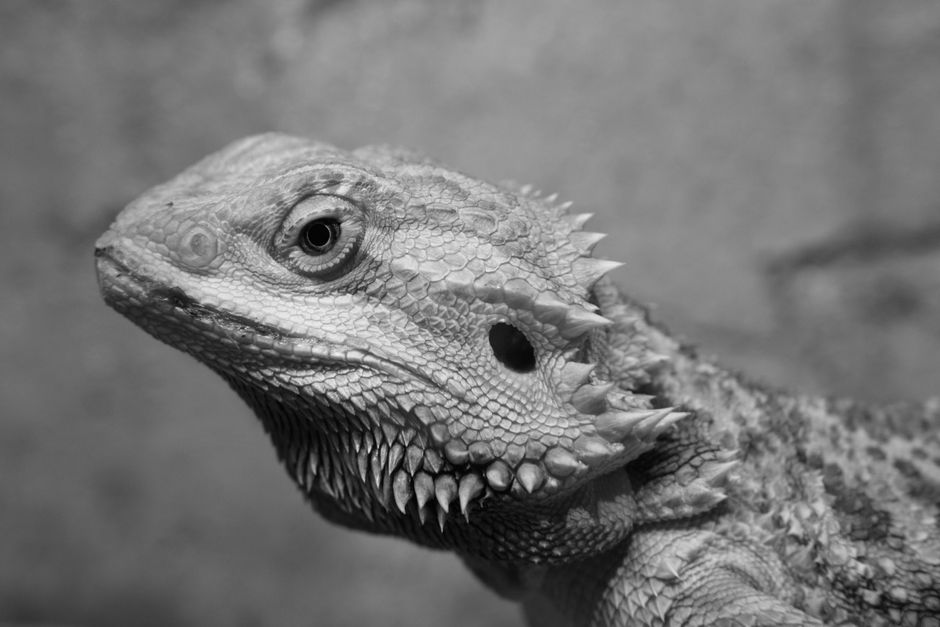
Why Is My Bearded Dragon Turning Black? Key Causes
A bearded dragon turning black is usually reacting to stress, cold enclosure temperatures, illness, or mating urges. While a dark throat beard or dark belly spots can look alarming, this color change is a natural communication tool that shows your reptile needs a quick adjustment in its environment or routine.
Seeing your friendly lizard suddenly darken in color can cause immediate worry for any pet parent. In most cases, understanding the underlying trigger helps you solve the issue quickly and return your pet to its calm, alert state.
Why Do Bearded Dragons Turn Black?
A bearded dragon turns black by expanding specialized pigment cells in its skin called melanophores to regulate body temperature or signal emotional distress. This color shift happens rapidly and can affect just the beard, the tail, the belly, or the entire body.
Reptiles cannot produce their own body heat, so they rely on external warmth to power their metabolism. Darker skin absorbs heat much faster from basking lamps or sunlight. When a dragon feels cold, darkening its skin helps it warm up quickly after waking up.
Emotional state is the second major driver. A dragon will darken its throat pouch to look larger, establish dominance, or ward off perceived threats. Understanding which areas are darkening gives you useful clues about what your lizard is trying to tell you.
Is Your Bearded Dragon Cold?
Your bearded dragon turns black when its basking spot or overall enclosure temperature drops below comfortable levels. Darkening the skin allows the reptile to absorb more thermal energy from its heat source.
When a dragon wakes up in the morning, it often displays a darker beard and dusky body markings under the basking lamp. Once its core body temperature rises to the proper basking range, the dark patches fade back to normal light tones.
How to Check Enclosure Temperatures
Use a digital infrared temperature gun to measure the exact surface of the basking rock or log. Stick-on analog dials on the glass often give inaccurate readings that hide dangerous cold spots.
If the basking surface feels too cool, adjust the height of your heating element or try a higher wattage bulb. Always make sure your dragon has a warm side and a cooler side in the tank so it can move between zones as needed.
Stress and Environmental Triggers
Stress causes a bearded dragon to darken its beard and belly markings when it feels threatened, startled, or displaced. New environments, loud noises, sudden shadows, and other pets in the room are frequent causes of stress darkening.
Just like how unexpected changes can trigger behavioral issues in other popular pets, like those discussed in our guide on Corn Snake vs Ball Python care differences, bearded dragons require routine and predictable surroundings to feel secure.
Reflections on enclosure glass can also convince a dragon that a rival lizard is invading its territory. If your pet bobs its head, puffs out its throat, and darkens its beard while staring at the glass, covering the outside walls with a background paper often stops the reaction immediately.
Here are several common household stress triggers to look for:
- Other pets, such as cats or dogs, staring into the enclosure or sitting on top of the screen lid.
- Sudden loud sounds from televisions, vacuum cleaners, or slamming doors near the habitat.
- Fast movements from above that mimic birds of prey hunting in the wild.
- Moving the enclosure to a new room or introducing brand new decor all at once.
- Overhandling when the dragon is still adjusting to a new home.
Health Problems and Pain Indicators
A bearded dragon that stays dark black for days without lightening up may be suffering from pain, respiratory infection, impaction, or severe illness. Persistent darkening accompanied by lethargy is a clear warning sign that your lizard needs professional medical attention.
Digestive impaction happens when a dragon eats substrate, overly large insects, or hard foreign items that block the gut. An impacted lizard often darkens its beard, stops passing waste, and refuses food entirely.
Respiratory infections can develop if tank humidity stays too high for long periods. Watch for wheezing sounds, excess mucus around the mouth, or breathing with an open mouth while away from the basking spot. Always consult an exotic veterinarian promptly if you notice these severe health symptoms, as early treatment makes recovery much smoother.
Mating Behavior and Territorial Displays
Male bearded dragons turn their beards pitch black as a normal display of dominance, territorial defense, or breeding readiness. This darkening is usually accompanied by vigorous head bobbing and body puffing during the spring and summer breeding seasons.
Even without a female dragon in the room, mature males experience hormonal surges that trigger these dramatic displays. The lizard may pace the enclosure glass, stomp its front feet, and show off a jet-black beard to nothing in particular.
Female dragons can also darken their beards during territorial disputes, though it happens less frequently. As long as your dragon is eating well, moving normally, and showing healthy energy levels, breeding displays are completely harmless and will pass naturally.
How to Help a Black-Bearded Dragon Calm Down
To help a dark bearded dragon calm down, eliminate visible stressors, check your habitat temperatures, and give your pet a quiet space to rest. Avoid forcing physical contact if your dragon shows active defensive body language.
Speak in soft, calm tones and move your hands slowly from the side rather than reaching down directly from overhead. If your pet enjoys warm water, a short soak in shallow, lukewarm water can help soothe muscle tension and encourage bowel movements for constipated lizards.
Give your dragon time to relax without crowded activity around the tank. Once the stressor disappears and temperatures balance out, you will see the black coloration quickly fade back to normal.
Final Thoughts
A bearded dragon turning black is an important communication signal that tells you your pet is chilly, stressed, displaying hormonal energy, or dealing with physical discomfort. By checking your tank temperatures, removing scary triggers, and monitoring for signs of illness, you can keep your scaled companion feeling safe and relaxed. Explore more RarePetCare guides to learn practical tips for keeping your exotic pets thriving every single day.
Frequently Asked Questions
Can a female bearded dragon turn its beard black?
Yes, female bearded dragons can turn their beards black when stressed, cold, or defending their territory, although the behavior is more common in males.
How long does a bearded dragon stay black?
A stress or temperature response usually lasts anywhere from a few minutes to a couple of hours until the dragon warms up or feels safe again.
Why does my bearded dragon have dark spots on its belly?
Dark circular spots or lines on the belly, often called stress marks, typically appear when young or cold dragons absorb heat or adjust to new environments.
Should I hold my bearded dragon while its beard is black?
It is best to leave your dragon alone while its beard is jet black, as forced handling during an active defensive display can increase fear and lead to defensive bites.
Explore More Reptiles Guides
 🦎Reptiles
Can Tortoises Eat Tomatoes? Safe Diet Guide
Wondering if tortoises can eat tomatoes? Learn why the plant is toxic, how fruit affects digestion, and what greens are safer for your pet.
 🦎Reptiles
What Is a Baby Turtle Called? The Real Name Explained
Discover the true name for a baby turtle, why common naming myths exist, and how young hatchlings develop into adulthood.
 🦎Reptiles
How to Sex a Lizard: Complete Identification Guide
Discover how to sex a lizard accurately at home using visual traits, femoral pores, and safe handling techniques.