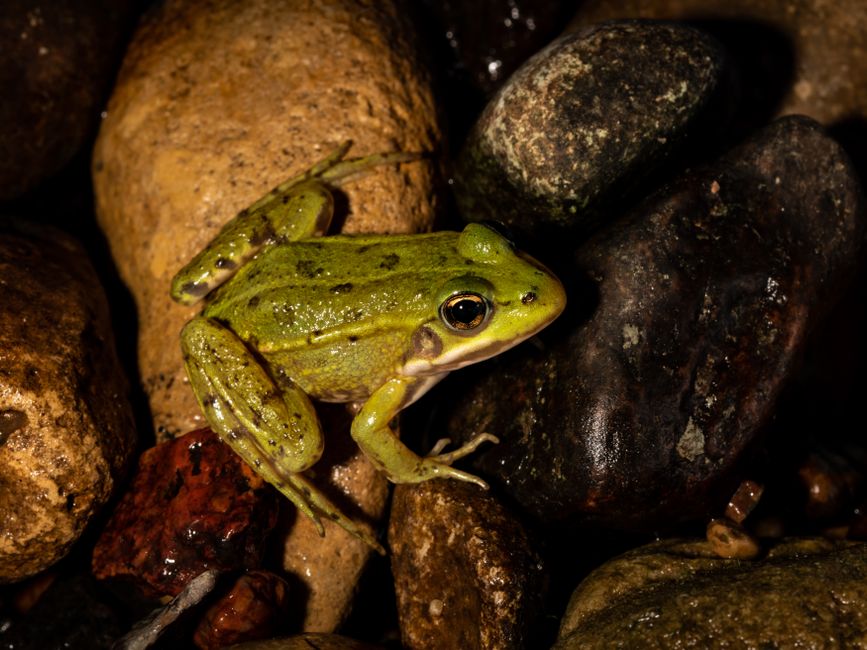
Pacman Frog Not Eating: Causes and Safe Fixes
A pacman frog not eating is one of the most stressful problems an amphibian owner can face. In most cases, a pacman frog stops eating due to improper tank temperature, low humidity, stress from handling, or the onset of natural seasonal dormancy. Understanding these root causes helps you fix the issue quickly and safely.
Pacman frogs are famous for their huge mouths and hearty appetites. When one suddenly turns down food, it is natural to worry. Fortunately, occasional hunger strikes happen often, and many causes are simple to correct at home.
Why Is My Pacman Frog Not Eating?
Your pacman frog is likely refusing food because its enclosure is too cold, the humidity is off, it feels stressed by recent changes, or it is entering a natural rest state called estivation. Amphibians rely entirely on their environment to regulate their body temperature and digest their meals, so even minor habitat shifts can shut down their appetite.
Cold temperatures are the single most frequent culprit. When an enclosure drops below the ideal range, a frog cannot produce the digestive enzymes needed to break down food. To protect itself from rotting food in its gut, the frog simply stops striking at prey. Checking both the warm and cool sides of your terrarium with reliable digital gauges is always the best first move.
Humidity problems cause similar issues. If the air or substrate dries out, your frog will burrow deep into the dirt and form a hardened protective skin layer. In this state, feeding is the last thing on its mind. Keeping the substrate damp like a wrung-out sponge prevents dehydration and encourages normal hunting behavior, much like the moisture needs seen in other species like the granular glass frog.
How Does Enclosure Setup Affect Appetite?
Improper enclosure conditions directly suppress a frog's digestive system and trigger defensive behaviors that stop normal feeding. Pacman frogs require deep, damp substrate, a secure hiding spot, clean non-chlorinated water, and a steady thermal gradient to feel safe enough to eat.
Substrate depth plays a major role in your frog's sense of security. Pacman frogs are ambush predators that spend their entire day buried up to their eyeballs waiting for food to walk past. If the dirt is too shallow, the frog feels exposed and vulnerable. This constant stress makes it refuse meals.
The Danger of Impaction
Impaction happens when a frog accidentally swallows loose substrate, gravel, or large bark chunks while striking at prey. A blockage in the digestive tract causes intense discomfort, bloating, and an immediate loss of appetite.
You can prevent accidental ingestion by feeding your frog in a separate bare-bottom container or by placing prey on a smooth flat dish inside the tank. Avoid using gravel or small decorative stones anywhere in the enclosure, as these can easily fit inside a wide pacman frog mouth.
Is Your Pacman Frog Going Into Estivation?
Estivation is a natural state of dormancy that pacman frogs enter when temperatures drop or humidity levels fall significantly. During estivation, a frog burrows underground, slows its metabolism to a crawl, and stops eating completely for weeks or even months.
You can identify estivation by looking at your frog's posture and skin. A frog in this state will remain completely buried beneath the substrate. It often forms a dry, shiny, cellophane-like outer layer of shed skin over its body to seal in vital moisture.
If your frog is healthy and the seasonal cool-down was intentional, estivation is normal. However, if this happens by accident due to a broken heat lamp or dry substrate, you should gently wake the frog. Lightly mist the enclosure with warm dechlorinated water to soften the outer skin cocoon, raise the ambient temperature slowly, and wait for the frog to resurface on its own before offering food again.
How to Get a Stubborn Pacman Frog to Eat
The most reliable way to get a stubborn pacman frog to eat is to offer gut-loaded live feeder insects using soft, rubber-tipped feeding tongs during the evening hours. Gently tapping the prey item against the frog's front feet or lower lip often triggers an instinctive feeding reflex.
Timing matters just as much as technique. Pacman frogs are nocturnal animals that become active after sunset. Attempting to feed your frog under bright daytime lights often causes it to close its eyes and turn away in fear. Wait until the room is quiet and dim before offering food.
- Switch up the diet by offering different prey, such as appropriately sized crickets, earthworms, roaches, or hornworms.
- Warm the prey slightly to room temperature if it has been stored in a cool area.
- Always use dull, rubber-tipped tongs so you do not hurt the frog's sensitive mouth or teeth if it strikes hard.
- Avoid touching or picking up your frog before mealtime, as handling causes extreme stress for amphibians.
- Dust insects with high-quality calcium and multivitamin supplements on a schedule recommended for your frog's age.
Remember that adult pacman frogs naturally eat far less often than juveniles. While a growing baby frog may eat every one to two days, a fully grown adult may only need a substantial meal once every week or two. Do not panic if an adult skips a few days between regular feeding sessions.
When Should You Consult an Exotic Vet?
You should consult an exotic animal veterinarian if your pacman frog refuses food for more than two to three weeks, looks visibly skinny, develops cloudy eyes, or shows signs of severe bloating and lethargy. These symptoms often point to underlying infections, heavy parasite loads, or severe intestinal blockages.
Metabolic bone disease is another serious health issue that weakens the jaw, making it physically painful or impossible for the frog to grab prey. If your frog's lower jaw looks soft, droopy, or rubbery, professional medical care is urgent. Routine veterinary guidance is an essential part of responsible ownership for any exotic amphibian.
Before bringing home any new pet, pet parents should research the species' complete environmental needs to prevent avoidable health problems. Supporting amphibian wellness at home goes hand in hand with global conservation efforts, including programs like critically endangered frog release projects that protect wild populations.
Final Thoughts
Dealing with a pacman frog not eating can feel overwhelming, but checking your temperatures, boosting humidity, and offering varied prey usually solves the issue. Give your frog time to settle after any habitat changes, and keep handling to an absolute minimum. Explore our other guides on RarePetCare to discover more expert tips on keeping your exotic pets healthy and thriving.
Frequently Asked Questions
How long can a pacman frog safely go without eating?
A healthy adult pacman frog can safely go several weeks without food if kept in proper humidity and temperature, though juveniles should not go more than a few days.
Can I force feed my pacman frog if it refuses to eat?
You should never attempt to force feed a pacman frog at home, as this can easily fracture their fragile jaw bones or damage mouth tissue. Always leave assisted feeding to a trained exotic veterinarian.
Why is my pacman frog turning away from its food?
Pacman frogs turn away from food when they feel intimidated by prey that is too large, stressed by bright room lighting, or simply full from a previous meal.
Does handling my pacman frog stop it from eating?
Yes, handling is stressful for amphibians and transfers oils and chemicals from human skin, which frequently causes pacman frogs to go off their food.
Explore More Amphibians Guides
 🐸Amphibians
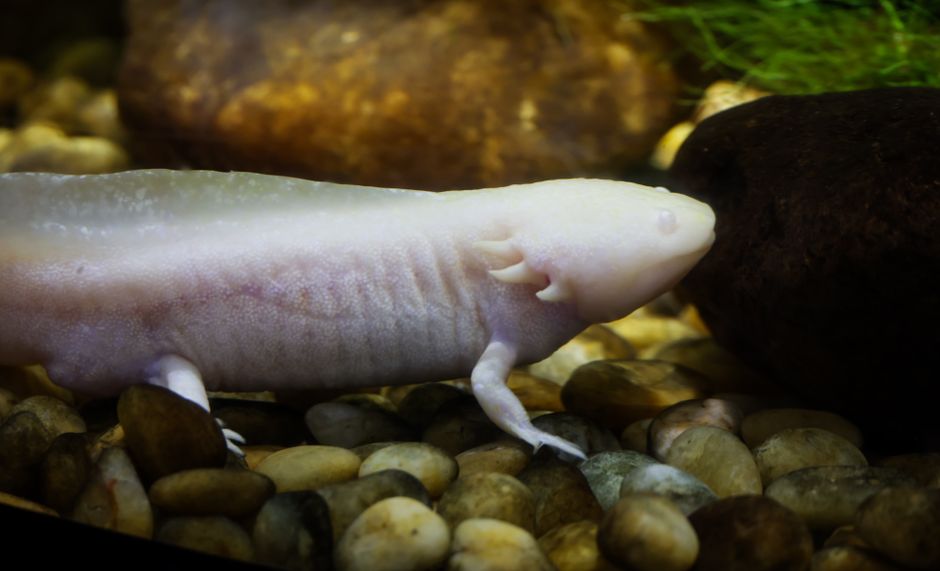
Hellbender Salamander Guide: Facts, Habitat, Care
Meet the hellbender salamander, North America's largest aquatic amphibian known as the snot otter, and discover why rivers need them.
 🐸Amphibians
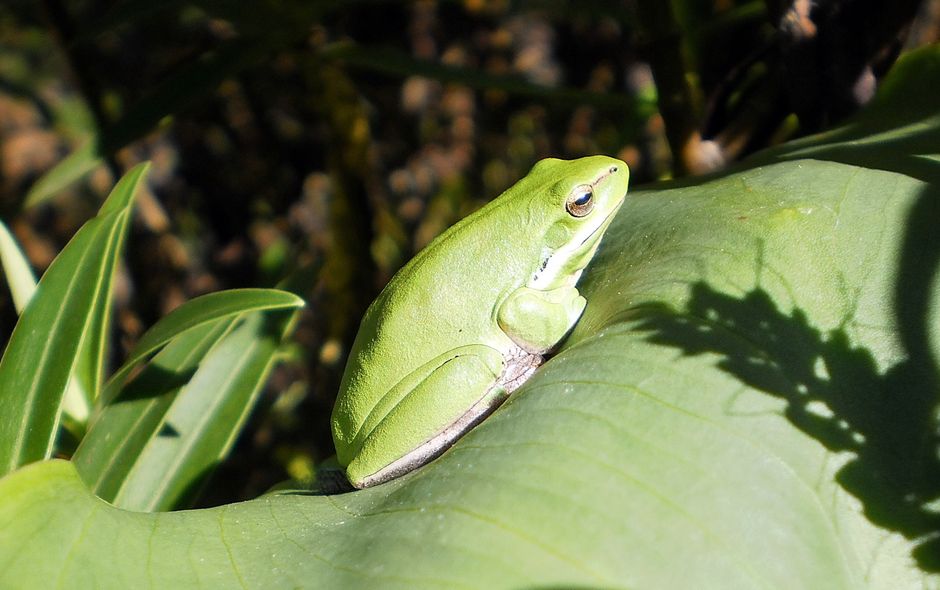
What Do White's Tree Frogs Eat? Complete Diet Guide
Discover the ideal feeder insects, safe portion sizes, and feeding schedules to keep your pet White's tree frog healthy and thriving.
 🐸Amphibians
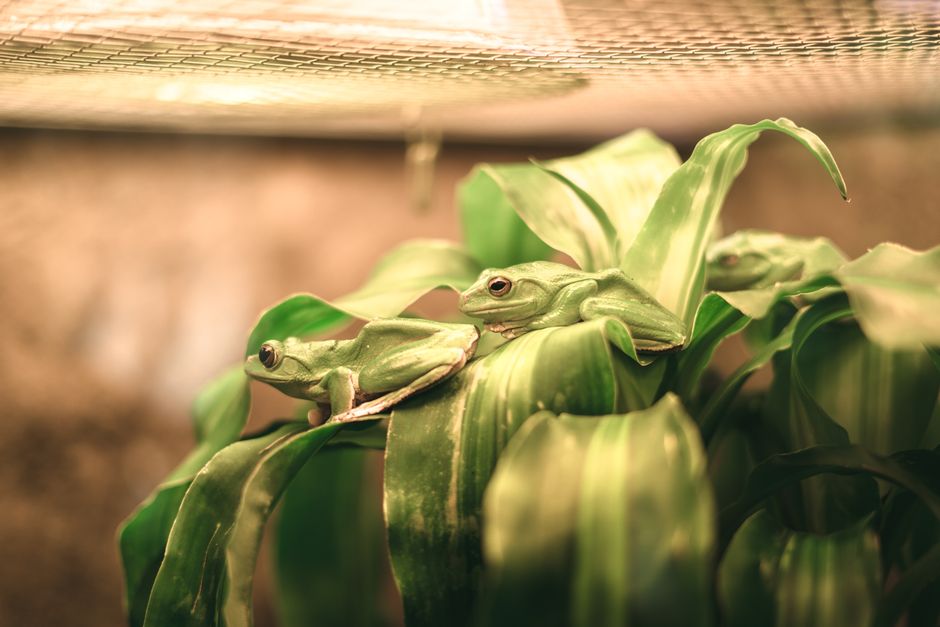
White's Tree Frog Habitat Setup: Beginner Guide
Build the ideal White's tree frog habitat setup with proper tank size, gentle heat, humidity control, and safe substrate choices.