How Do Parrots Talk? The Science of Bird Speech
Have you ever wondered how a bird with no lips, teeth, or vocal cords can say hello? Parrots talk by using a specialized vocal organ called a syrinx, fine-tuning sounds with a thick, muscular tongue, and processing complex patterns through specialized brain regions. This unique biological toolkit allows pet birds to copy human words, whistling, and household noises with astonishing clarity.
Understanding how do parrots talk helps pet owners appreciate the deep intelligence and social needs of these companion birds. When you hear your feathered friend chatting from their perch, you are witnessing an extraordinary evolutionary feat that combines physical control with complex social communication.
How Do Parrots Make Human Sounds Without Vocal Cords?
Parrots produce sounds using an internal vocal organ called the syrinx, located deep in their chest where the trachea splits into the lungs. Unlike humans who rely on vocal cords in the larynx, parrots push air through two independent acoustic membranes in the syrinx to generate tones, pitch variations, and complex human words.
Because the syrinx has two separate sides, parrots can control airflow through both branches at the same time. This allows them to produce two distinct frequencies at once or switch between different notes instantly. Muscles surrounding the syrinx expand and contract with incredible speed to change sound pitch and volume.
Humans shape sound with their lips and teeth, but a parrot relies on rapid pressure changes in their airway. They inflate their throat sacs and shift their posture to resonance-match human speech. This acoustic flexibility makes it possible for a bird to replicate everything from a low human voice to a high-pitched microwave beep.
How Parrots Use Their Tongues to Shape Words
Parrots shape distinct human vowel and consonant sounds by moving their thick, fleshy tongues back and forth with precise millimeter adjustments. While songbirds mostly control sound at the syrinx alone, parrots modify the acoustic space inside their mouths just like human speakers do.
Researchers found that tiny tongue movements alter the sound frequency coming up from the syrinx. Moving the tongue slightly forward creates high vowel sounds like the "ee" in "feet," while pulling the tongue back creates deeper vowels like the "aw" in "call."
The Role of the Curved Beak
A parrot's beak acts as an acoustic amplifier and filter. By opening or closing their upper and lower beak by small fractions of an inch, parrots adjust the brightness and clarity of each syllable they speak.
This coordination between the syrinx, throat, tongue, and beak happens in fractions of a second. It gives parrot speech the recognizable cadence, accents, and emotional tone that surprise so many bird owners.
What Makes the Parrot Brain Uniquely Wired for Speech?
Parrots can talk because their brains contain a unique outer shell layer surrounding their vocal learning centers that no other bird group possesses. This specialized brain architecture gives parrots the cognitive processing power to listen to complex sound patterns, remember them, and mirror them through physical vocalization.
All vocal learning birds, including songbirds and hummingbirds, have core regions in the brain dedicated to hearing and repeating sound. Parrots possess these core centers too, but they also have a surrounding outer shell that links vocal learning directly to motor control and social behavior.
This extra neural layer helps explain why parrots do not just repeat simple songs. They can memorize lengthy phrases, mimic unique human accents, and even synchronize their movements to musical beats while bobbing their heads.
Why Do Parrots Mimic Human Voices in the Home?
In the wild, parrots use vocal imitation to bond with their flock, identify family members, and establish territory. When raised in a human home, you and your family become the flock, prompting your pet bird to learn your language to fit into the social group.
Parrots are deeply social creatures that crave interaction. If saying a specific phrase brings you over to their cage or earns them a favorite treat, they quickly repeat that phrase to stay connected with you. This strong social bond is why companion birds thrive in supportive environments, such as parrots for veterans programs where shared communication provides deep mutual comfort.
Which Parrot Species Are the Best Talkers?
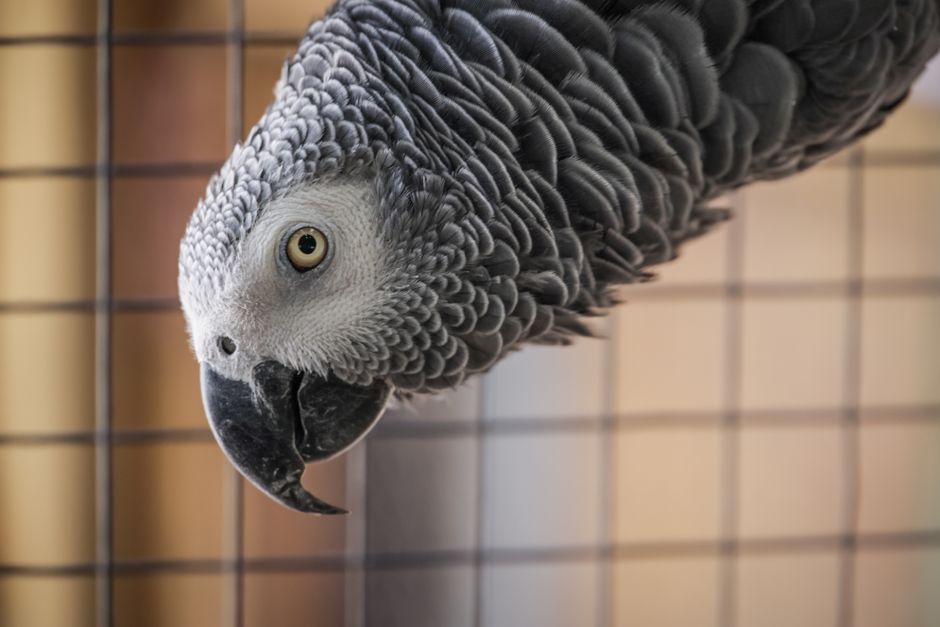
African Grey parrots, Amazon parrots, and Indian Ringneck parakeets are widely recognized as the most articulate talking parrot species. However, individual ability varies greatly within every species, and some birds prefer whistling, chirping, or mimicking ambient household sounds instead of speaking words.
If you are curious about speech abilities across different types of companion birds, here is how popular pet species compare:
- African Grey Parrots: Renowned for their vast vocabulary, clear pronunciation, and ability to associate words with real objects and contexts.
- Amazon Parrots: Exceptional mimics with rich vocal tones, often able to sing full melodies and mimic human laughter.
- Budgerigars (Budgies): Capable of holding large vocabularies of dozens of words, spoken in a soft, rapid, gravelly voice.
- Cockatoos and Macaws: Loud and expressive, capable of learning key phrases and mimicking household sound effects with high volume.
- Cockatiels: Better known for whistling complex tunes than speaking clear words, though many master short phrases. If a whistling companion escapes, checking vocal habits can assist with lost cockatiel identification and recovery.
Always research the lifespan, space, and dietary demands of any bird before bringing one home. Talking ability should never be the sole reason to acquire an exotic pet, as every parrot requires decades of attentive care and daily social engagement.
How to Teach Your Pet Parrot to Talk
You can teach your pet parrot to talk by repeating clear, short phrases consistently during positive, one-on-one interactions throughout the day. Pair your words with clear contexts, such as saying "apple" when handing over a fruit slice or saying "hello" every time you enter the room.
Follow these practical steps to encourage vocal mimicry in your companion bird:
- Start with enthusiastic, high-pitch words: Parrots naturally tune into enthusiastic, expressive tones. Words like "peekaboo" or "good bird" catch their attention faster than monotone phrases.
- Keep practice sessions brief: Spend five to ten minutes repeating a single phrase, two to three times a day, to keep your bird engaged without causing frustration.
- Reward effort immediately: Offer praise, gentle head scratches, or a favorite seed treat as soon as your bird attempts to copy your sound.
- Eliminate competing background noise: Turn off televisions and loud appliances during practice so your bird can focus entirely on your voice.
Patience is essential when working with any bird. Some individuals start mimicking within months, while others may choose never to speak human words at all, preferring their own natural bird calls. If your parrot ever shows signs of sudden vocal changes accompanied by lethargy or breathing difficulty, consult an exotic-animal veterinarian promptly for guidance.
Final Thoughts
Learning how do parrots talk highlights the brilliant intersection of avian anatomy, tongue dexterity, and advanced brain wiring. By providing your feathered companion with daily social engagement, positive training, and proper environmental enrichment, you support both their vocal development and their emotional well-being. Explore our other RarePetCare guides to learn more about keeping your exotic birds happy, healthy, and thriving.
Frequently Asked Questions
Do parrots understand the words they say?
Most parrots repeat words through mimicry, but highly intelligent species like African Greys can associate specific words with real objects, colors, requests, and emotional contexts through consistent training.
Why do some pet parrots never learn to talk?
Speech ability depends heavily on individual personality, species tendencies, age, and social confidence, meaning some completely healthy birds simply prefer whistling and natural bird calls over human words.
Can older rescue parrots learn new words?
Yes, older parrots can learn new words and phrases throughout their entire adult lives because their vocal learning brain centers remain active as long as they receive consistent social interaction.
Do male parrots talk better than female parrots?
In some smaller species like budgies and cockatiels, males tend to mimic speech and tunes more readily, but in larger species like African Greys and Amazons, males and females talk equally well.
Explore More Birds Guides
 🦜Birds
Bird Flu Backyard Feeders: Is It Safe to Feed Birds?
Feeding wild birds brings nature close, but bird flu risks at backyard stations mean pet parents must take precautions.
 🦜Birds
Wild Parrots of San Francisco: Rescue and Urban Life
A wild red-masked parakeet was freed by firefighters in San Francisco, showing the unique challenges feral parrot flocks face in the city.
 🦜Birds
How to Bond with a Bird: Safe Steps for Pet Parents
Learn how to bond with a bird using gentle body language, predictable routines, and positive reinforcement to build lifelong trust.