Parrots for Veterans: How Rescue Birds Heal Trauma
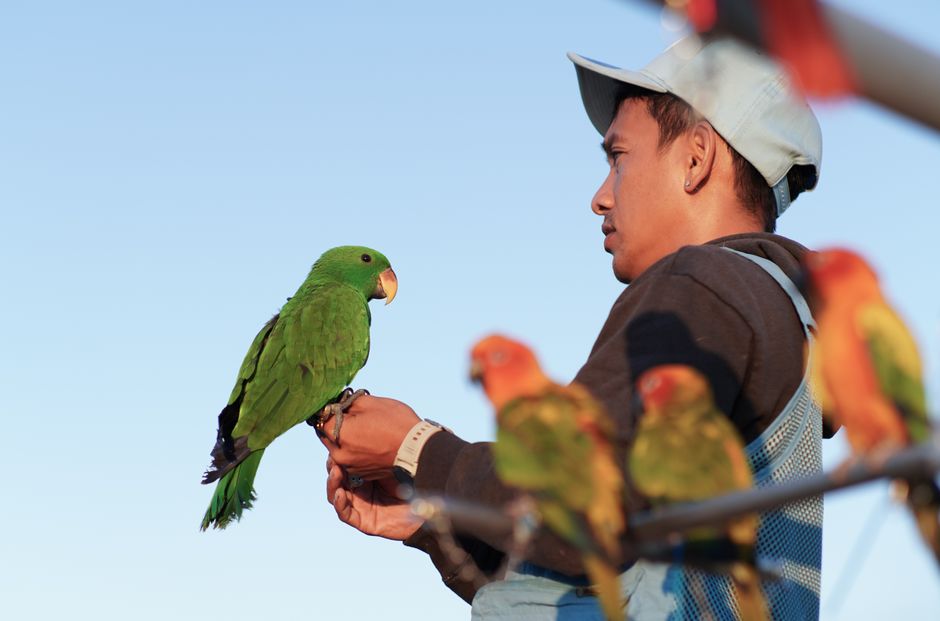
Programs connecting parrots for veterans provide a powerful form of mutual therapy by pairing traumatized companion birds with individuals working through physical and emotional wounds. Parrots are highly intelligent, intuitive prey animals that mirror the moods of their handlers, creating an honest feedback loop that fosters patience, emotional regulation, and deep mutual trust.
When traditional clinical settings feel overwhelming, working alongside exotic birds can open new pathways for personal growth. The shared journey between a rescue bird and an experienced handler creates an unspoken understanding that words cannot always capture.
Why Are Parrots for Veterans So Effective for Healing?
Parrots are exceptionally effective therapy partners for veterans because both often share a heightened state of environmental awareness known as hypervigilance. As natural prey species, birds constantly assess their surroundings for safety, making them uniquely attuned to human body language and emotional shifts.
Many combat veterans live with high sensory sensitivity and quick stress responses. When an agitated person approaches a parrot, the bird immediately reacts by pulling back, vocalizing, or raising its crest feathers. To earn the bird's friendship, the handler must deliberately slow their breathing, soften their posture, and lower their internal tension.
This direct feedback teaches real-time emotional control without judgment. A bird does not care about past experiences or medical labels. It simply responds to calm, steady behavior in the present moment.
How Mirroring Helps Build Mutual Trust
Parrots act like living emotional mirrors for the people who handle them. If you approach a bird with hidden frustration or sudden movements, the bird will match that nervous energy right away. When you take a deep breath and project quiet confidence, the bird relaxes its posture and leans in closer.
This dynamic creates a secure space where handlers practice calming techniques naturally. Over time, watching a skittish macaw or cockatoo settle down gives the caregiver tangible proof that their own calming efforts are working.
How Do Bird Sanctuaries Support Veteran Therapy?
Bird sanctuaries support veterans by providing a structured daily mission centered on the rehabilitation of neglected, abandoned, or traumatized exotic birds. Working in an aviary replaces feelings of isolation with a clear sense of duty and meaningful routine.
Sanctuary work demands focus and consistency every single day. Volunteers prepare complex diets, clean spacious enclosures, and offer gentle socialization to birds that have lost trust in humans. This routine pulls individuals out of distressing thought patterns and anchors them in purposeful physical activity.
Many parrots in rescue facilities arrive with their own behavioral trauma, such as feather plucking or extreme fear. Veterans frequently recognize these survival behaviors and feel a deep kinship with the animals. Helping a wounded bird slowly regain confidence often helps the caregiver process their own recovery at the same time.
What Makes Parrots Unique Emotional Support Animals?
Parrots stand out from traditional emotional support animals because their trust must be earned through patient, respectful boundaries rather than automatic obedience. Unlike dogs, which typically offer instant affection, parrots require weeks or months of quiet observation before accepting a new companion.
This deliberate bonding process is deeply rewarding for someone who values authenticity. When a naturally cautious bird finally decides to step onto your arm or preen your hair, that milestone represents a genuine bond built on mutual respect. The bird chooses to connect entirely on its own terms.
Smaller companion species can offer these same relational benefits in domestic settings. Many owners of cockatiels and conures report similar therapeutic bonds through daily interaction. If you care for smaller flock members at home, learning proper identification techniques like those in our guide on lost cockatiel identification helps keep your feathered family safe.
Essential Daily Care Responsibilities in Avian Therapy
Working with therapy birds involves practical tasks that instill structure and teamwork. These responsibilities keep caregivers active and grounded throughout the week:
- Preparing daily fresh chop made from bird-safe raw vegetables, grains, and safe fruits.
- Cleaning feeding stations, perches, and aviary floors to maintain strict hygiene standards.
- Using positive reinforcement and clicker training to build gentle handling behaviors.
- Providing enrichment by crafting foraging toys from natural wood, paper, and safe cardboard.
Key Considerations Before Adopting Parrots for Veterans at Home
Before bringing a parrot into a home setting for therapeutic support, owners must understand that exotic birds require an intense, multi-decade commitment that differs vastly from caring for domesticated mammals. Large parrots like macaws, amazons, and cockatoos can live for forty to sixty years or more, demanding substantial financial, social, and medical dedication.
Parrots are naturally loud, messy, and prone to sudden behavioral changes during breeding seasons. They also have extremely sensitive respiratory systems that cannot tolerate non-stick cookware fumes, scented candles, aerosol sprays, or tobacco smoke. If an individual struggles with unpredictable routine disruptions, loud vocalizations might increase stress rather than relieve it.
Prospective bird owners should always research a species' full adult housing and mental needs before bringing one home. Regular wellness checks with a certified avian veterinarian are essential to keep these complex animals healthy and thriving for the long haul.
Final Thoughts
Programs that connect parrots for veterans show how mutual rehabilitation can turn trauma into patience, purpose, and deep companionship. By learning to communicate with these remarkable birds, caregivers discover practical tools for staying calm, centered, and engaged with the world around them. Explore our other RarePetCare guides to learn more about bird behavior, habitat care, and responsible exotic pet ownership.
Frequently Asked Questions
Why do parrots connect so well with veterans who have PTSD?
Parrots are prey animals that share a similar state of hypervigilance, allowing them to understand and mirror subtle shifts in human body language and stress.
Can a parrot be certified as an official service animal?
Under the Americans with Disabilities Act, only dogs and miniature horses qualify as service animals, though parrots can serve as emotional support animals.
What parrot species are most commonly used in sanctuary therapy?
Sanctuaries often work with large rescue birds like macaws, cockatoos, and African greys, though smaller species like cockatiels and conures also provide therapeutic benefits.
Is visiting a bird sanctuary better than adopting a pet parrot?
Volunteering at a bird sanctuary is often better because it offers the therapeutic benefits of avian interaction without the lifelong financial and housing demands of home parrot ownership.
Explore More Birds Guides
 🦜Birds
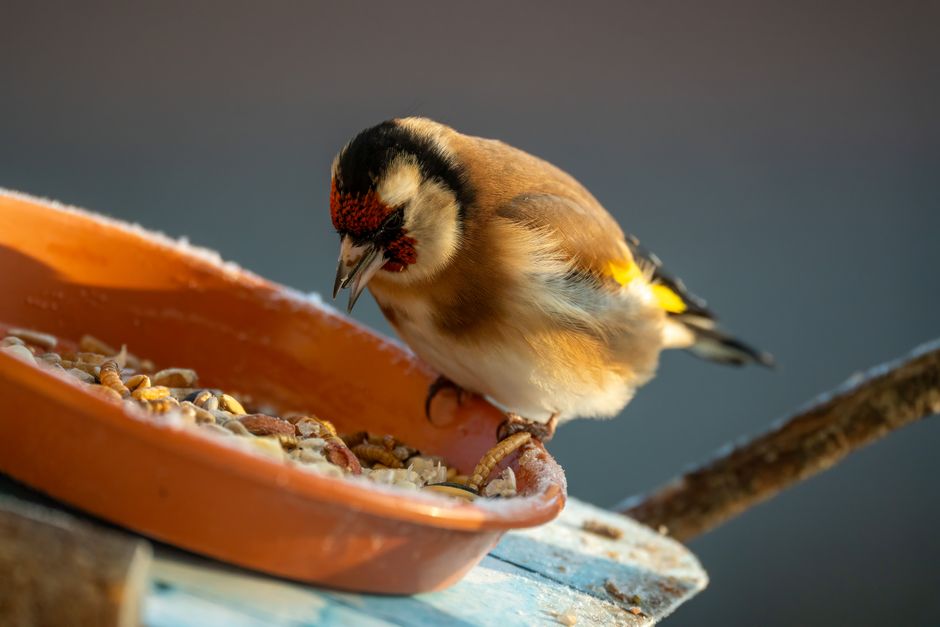
Bird Flu Backyard Feeders: Is It Safe to Feed Birds?
Feeding wild birds brings nature close, but bird flu risks at backyard stations mean pet parents must take precautions.
 🦜Birds
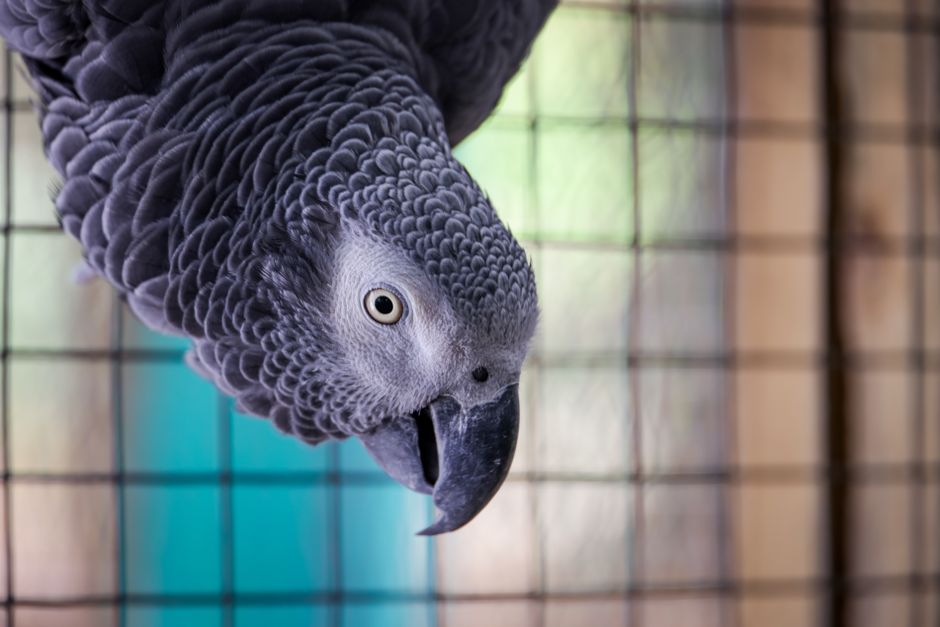
Wild Parrots of San Francisco: Rescue and Urban Life
A wild red-masked parakeet was freed by firefighters in San Francisco, showing the unique challenges feral parrot flocks face in the city.
 🦜Birds
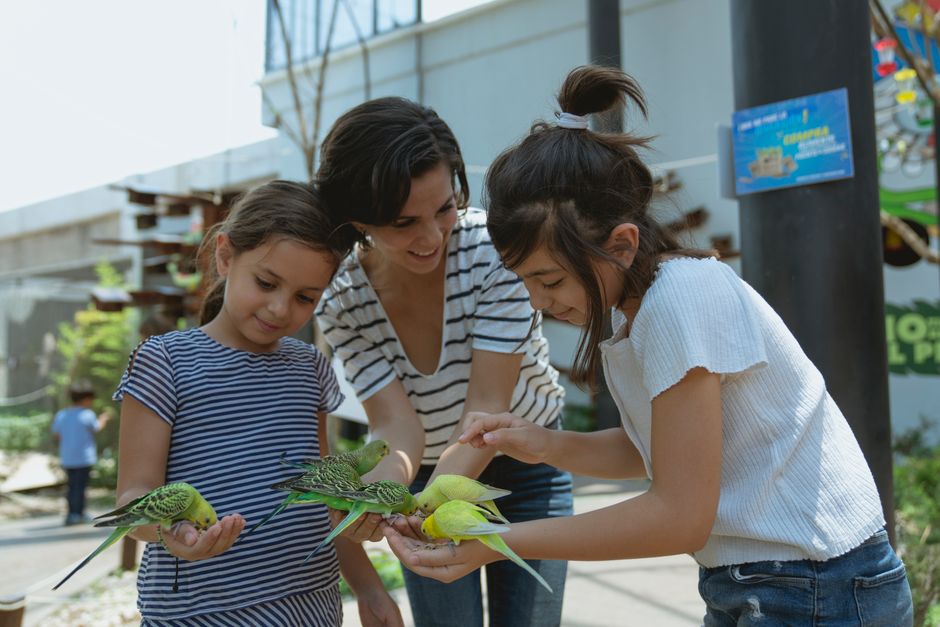
How to Bond with a Bird: Safe Steps for Pet Parents
Learn how to bond with a bird using gentle body language, predictable routines, and positive reinforcement to build lifelong trust.