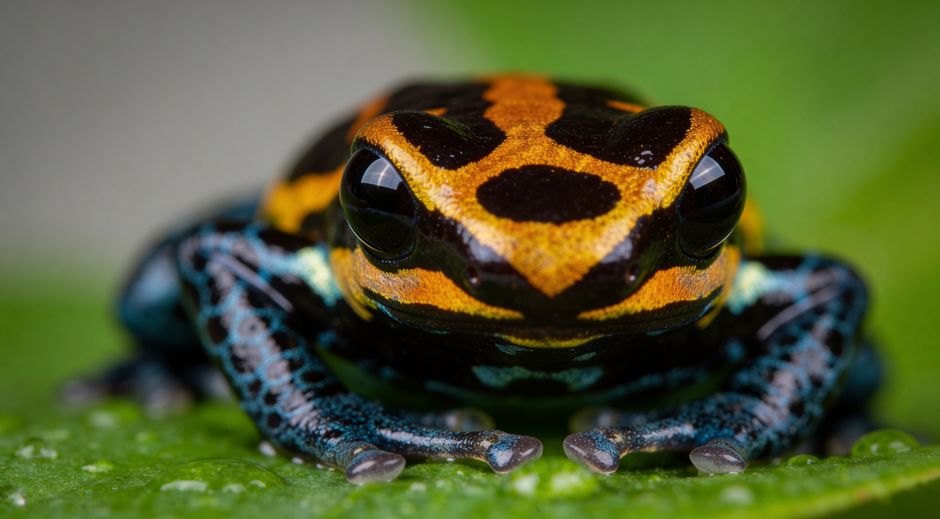
Poison Dart Frog Parenting: How Mothers Feed Young
Most amphibians lay their eggs in water and hop away, leaving their offspring to fend for themselves. Poison dart frog parenting is a rare exception where dedicated mothers invest incredible daily energy to feed and protect their young. This specialized care ensures tiny tadpoles survive in isolated rainforest pools where food is almost impossible to find.
Understanding this instinct helps amphibian keepers better appreciate the complex behaviors of captive dart frogs. When you look closely at their daily routines, these colorful amphibians reveal some of the most intricate caregiving habits in the animal kingdom.
What Makes Poison Dart Frog Parenting So Unique in Nature?
Poison dart frog parenting is unique because the mother actively feeds her hatched tadpoles with unfertilized eggs until they complete metamorphosis. While the father often guards the initial clutch on the forest floor, the female takes over once the eggs hatch. She carries each tadpole individually on her back to high canopy pools, remembering the location of every baby.
This incredible memory allows a single female to manage multiple offspring scattered across dozens of feet in the rainforest canopy. She visits each pool on a regular schedule, climbing steep tree trunks and navigating dense foliage every morning. Without her dedicated visits, the tadpoles would quickly starve in their sterile nursery pools.
The Vital Role of Rainforest Bromeliads
In the wild, strawberry poison dart frogs rely heavily on bromeliad plants to serve as nurseries. These plants hold small pockets of water, known as phytotelmata, between their leaves. These micro-pools keep tadpoles safe from large aquatic predators like fish and dragonfly larvae, but they contain virtually no natural nutrients.
Because these pools lack algae or insect life, the tadpole depends entirely on its mother for nourishment. The mother frog deliberately chooses separate leaf axils for each baby. This separation prevents cannibalism, which is a constant risk among crowded amphibian young.
How Does a Mother Poison Dart Frog Feed Her Tadpoles?
A mother poison dart frog feeds her tadpoles by laying non-fertile, nutrient-rich food eggs directly into their water pools. When she arrives at a bromeliad axil, the hungry tadpole vibrates against her legs to signal its appetite. In response, the mother positions herself in the water and deposits one to several unfertilized trophic eggs for the baby to eat.
This egg-only diet, known scientifically as obligate oophagy, gives the growing tadpole the exact fats, proteins, and vitamins needed to form legs and absorb its tail. The interaction between parent and offspring is surprisingly communicative. If a tadpole is weak or fails to perform its begging dance, the mother may withhold the meal and move on to her next offspring.
- The mother climbs into the water pool and waits for the tadpole to begin begging.
- The tadpole swims in tight circles, vibrating its body against the mother frog.
- The female deposits soft, unfertilized eggs rich in yolk directly into the pool.
- The tadpole consumes the eggs within minutes using specialized rasping mouthparts.
Can You Replicate This Breeding Behavior in Captivity?
You can replicate poison dart frog parenting behaviors in captivity by providing vertical vivarium space, live bromeliads, and humid egg-laying sites. When keeping obligate egg-feeders like strawberry dart frogs, keepers must allow the parents to manage tadpole feeding naturally, because artificial hand-rearing formulas rarely match the nutritional quality of real trophic eggs.
Before attempting to breed any exotic amphibian, always research the full adult care requirements and enclosure space needed for future froglets. If your animals ever show signs of severe weight loss, lethargy, or skin lesions, consult an exotic-animal veterinarian for specific guidance and proper health assessments.
Captive setups require careful planning to support these daily maternal rounds:
- Install multiple healthy bromeliads at varying heights throughout the vivarium.
- Provide smooth plastic film canisters tilted at forty-five-degree angles as alternative deposition sites.
- Maintain high ambient humidity using automated misting systems to keep water pools full.
- Feed adult breeding pairs abundant micro-insects so the female has enough energy to produce daily food eggs.
Best Practices for Froglet Care at Home
Once the tadpoles complete metamorphosis and leave their water pools, they emerge onto land as tiny froglets. At this stage, parental duties officially end, and the keeper must step in to supply appropriate food. Newly morphed froglets require springtails and miniature fruit flies dusted with high-quality vitamin supplements.
Keep froglets in clean, simple rearing containers with damp leaf litter and paper towel substrates. This simple setup helps you monitor their feeding success and ensures they do not get lost in a large display vivarium. Watching an animal navigate wild survival instincts is just as fascinating as studying how wild snakes act when defending their territory.
Why Do Dart Frog Mothers Scatter Their Young?
Dart frog mothers scatter their young across multiple pools to reduce the risk of losing an entire clutch to predators, desiccation, or disease. If a single bromeliad dries out in a hot spell or gets raided by a predatory insect, only one tadpole is lost rather than the entire generation.
Spreading offspring across separate locations is an evolutionary insurance policy. It demands immense daily effort from the mother, who must travel long distances to sustain her scattered family, but it maximizes the survival rate of the species in unpredictable rainforest conditions.
Final Thoughts
The daily effort behind poison dart frog parenting shows how far dedicated amphibian mothers will go to protect and nourish their young. By understanding these wild instincts, keepers can build enriched, naturalistic habitats that support healthy breeding cycles at home. Take time to explore our other RarePetCare guides to learn more about keeping unique amphibians and exotic pets thriving.
Frequently Asked Questions
Do male poison dart frogs care for tadpoles?
Male dart frogs guard and hydrate the eggs on land, but females take over once the tadpoles hatch and require food.
What do strawberry dart frog tadpoles eat?
They feed almost exclusively on unfertilized trophic eggs laid directly in their water pools by their mother.
How many tadpoles can a mother dart frog manage at once?
A single female typically manages between three and six scattered tadpoles at a time, visiting each one every few days.
Can you hand-raise obligate egg-feeding dart frog tadpoles?
Hand-raising is extremely difficult and rarely successful because the tadpoles rely specifically on the nutrients found in maternal eggs.
Explore More Amphibians Guides
 🐸Amphibians
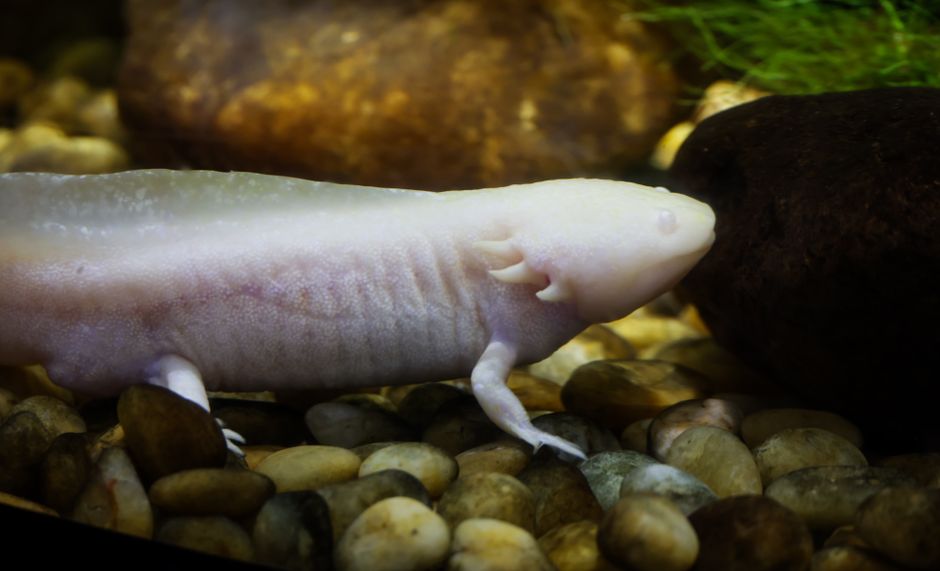
Hellbender Salamander Guide: Facts, Habitat, Care
Meet the hellbender salamander, North America's largest aquatic amphibian known as the snot otter, and discover why rivers need them.
 🐸Amphibians
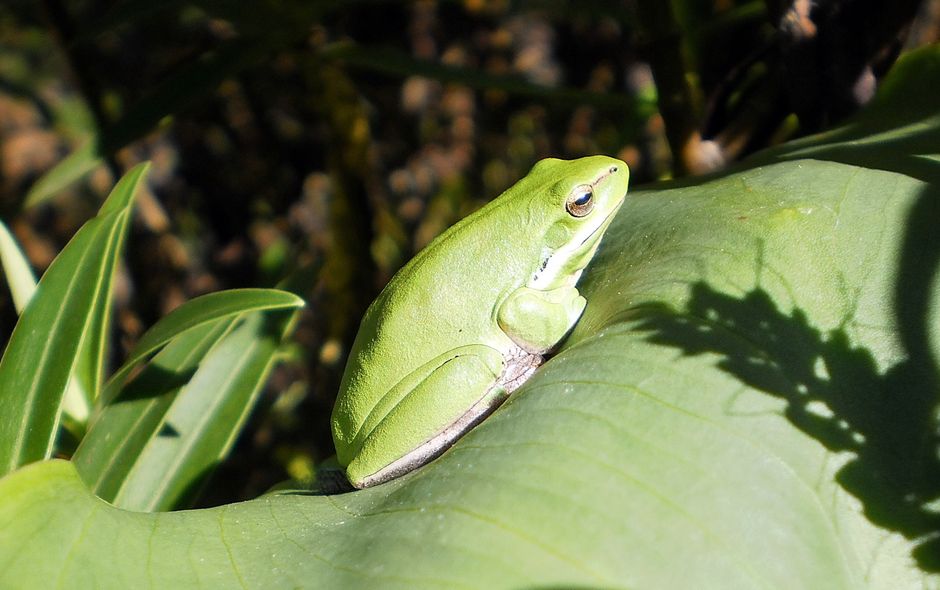
What Do White's Tree Frogs Eat? Complete Diet Guide
Discover the ideal feeder insects, safe portion sizes, and feeding schedules to keep your pet White's tree frog healthy and thriving.
 🐸Amphibians
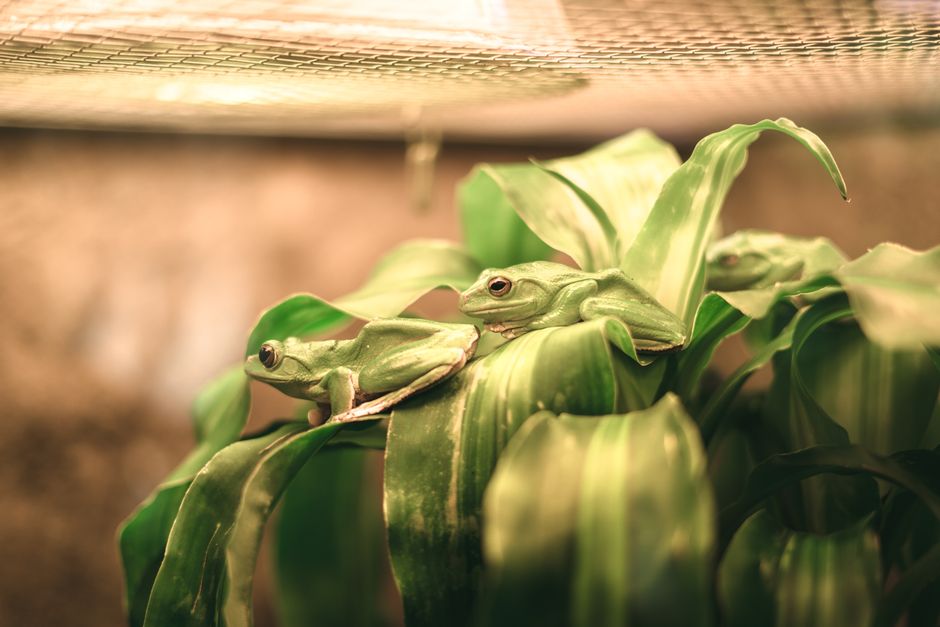
White's Tree Frog Habitat Setup: Beginner Guide
Build the ideal White's tree frog habitat setup with proper tank size, gentle heat, humidity control, and safe substrate choices.