Python Pizza Florida: The Everglades Barter Story
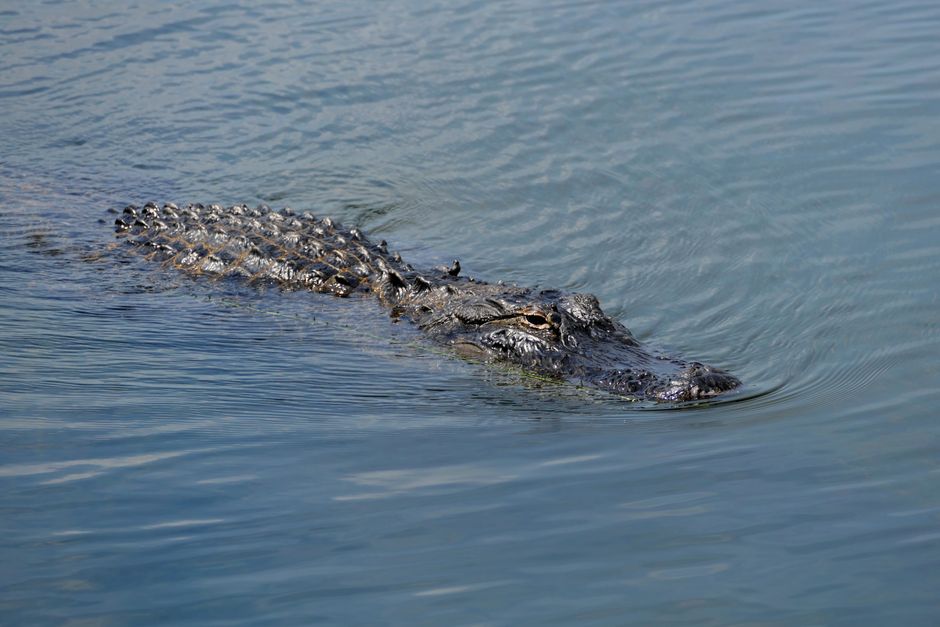
A unique barter program in the Sunshine State is making headlines across the country. The python pizza Florida initiative allows local snake hunters to exchange captured invasive Burmese pythons directly for freshly baked pies. It turns a serious environmental threat into a creative community solution that encourages active wildlife management.
Burmese pythons have disrupted South Florida wetlands for decades. When exotic pets escape or get released into the wild, they multiply rapidly. This barter system offers a fun incentive for registered hunters working hard to remove these apex predators from sensitive habitats.
How Does the Python Pizza Florida Barter Work?
The python pizza Florida exchange works as a direct trade where licensed hunters bring legally harvested Everglades pythons to participating kitchens in return for free meals. Restaurant owners process the meat safely or partner with state-approved processors before turning the catch into specialty toppings.
Hunters spend long nights searching marshes, roadsides, and levees. Bringing in a large snake takes hours of intense physical tracking. Receiving a hot meal in return gives these hunters immediate recognition for their conservation labor.
The concept started small when a local restaurant owner wanted to support wildlife removal efforts. By offering food in exchange for hunted snakes, the business created an ongoing community partnership that keeps the conversation about invasive species active.
Why Are Burmese Pythons Such a Problem in Florida?
Burmese pythons are an invasive apex predator in Florida that severely damage native mammal, bird, and reptile populations across the Everglades. Because these large constrictors have no natural predators in the region, their numbers have expanded with little environmental resistance.
Decades ago, imported snakes entered the ecosystem through accidental escapes and irresponsible pet releases. Over time, breeding populations established themselves throughout southern wetlands. Native animals like marsh rabbits, raccoons, and wading birds had no natural instincts to avoid large constrictors.
The Impact on Native Wildlife
Research across South Florida shows dramatic drops in small mammal sightings in areas where pythons thrive. The snakes consume prey of all sizes, competing directly with native predators like alligators, panthers, and birds of prey.
- Severe reduction in native marsh mammal populations.
- Direct competition with native bobcats and birds for food sources.
- Disruption of the delicate wetland food web.
- Predation on threatened and endangered local species.
Responsible reptile care plays a critical role in preventing these environmental disasters. Prospective reptile owners must research adult sizes and long-term care needs before bringing any snake home. If you keep pet snakes, understanding proper containment and knowing what to do when leaving a reptile alone ensures your pet stays secure indoors where it belongs.
What Does Python Meat Taste Like on Pizza?
Python meat has a mild flavor and firm texture often compared to a cross between chicken breast and white fish or alligator. When seasoned properly and thinly sliced, it absorbs savory marinades and pairs well with traditional pizza toppings.
Chefs usually marinate the meat to tenderize it before baking. Because snake meat is lean, it can become chewy if overcooked. Slicing it thin and pairing it with rich cheeses, peppers, and garlic creates a balanced bite that surprises first-time tasters.
Many curious locals and adventurous tourists visit specifically to try a slice. The dish serves as an educational tool, letting diners participate in conservation by eating an invasive species that harms the ecosystem.
How Is Python Meat Prepared Safely for Food?
Python meat must be harvested from approved, low-mercury testing zones and cooked thoroughly to reach safe internal temperatures before serving. State wildlife agencies monitor apex predators closely to ensure any meat entering commercial kitchens meets strict food safety guidelines.
Because pythons live at the top of the food chain, older and larger snakes can accumulate heavy metals from the prey they consume. Hunters and restaurants focus on younger, smaller snakes caught in specific regions where testing shows low contaminant levels.
Steps for Processing Wild Snake Meat
Preparing wild-caught constrictor meat requires strict attention to hygiene and temperature control. Professional processors handle the harvest with care to maintain food quality.
- Proper field dressing and immediate chilling on ice.
- Testing for heavy metal concentrations in accordance with state guidelines.
- Careful skinning, trimming, and sectioning of lean loin cuts.
- Thorough cooking at high heat to ensure complete food safety.
Once processed, the lean meat is vacuum sealed and stored at deep-freeze temperatures until ready for the kitchen. This preparation ensures that diners get a clean, high-quality ingredient on their specialty pies.
Can Eating Invasive Species Help Save the Everglades?
Eating invasive species, often called invasivorism, helps native ecosystems by creating financial and culinary incentives to harvest damaging non-native wildlife. While dining alone cannot eliminate millions of pythons, it raises public awareness and supports active removal programs.
Every snake removed from the wild means fewer native birds and mammals get consumed each year. Pairing state removal bounties with restaurant promotions keeps community interest high and encourages new hunters to get involved.
Conservation requires many tools working together, including professional trapping, scientific research, public reporting, and culinary use. By turning an environmental problem into a delicious meal, the local community plays an active role in wetland restoration.
Final Thoughts
The viral success of the python pizza Florida trade highlights how creative thinking can unite local businesses and conservationists in protecting wild places. Supporting ethical wildlife removal and practicing responsible pet ownership are both essential steps toward keeping natural ecosystems balanced. Explore more guides on RarePetCare to discover expert tips on proper reptile husbandry and responsible exotic pet care.
Frequently Asked Questions
Is it legal to eat wild python in Florida?
Yes, it is legal to eat wild pythons harvested in Florida as long as they are caught following state hunting regulations and checked for safe consumption guidelines.
How does python meat taste?
Python meat has a mild, clean flavor and firm texture similar to chicken breast, frog legs, or lean alligator tail.
Do you need a permit to hunt pythons in Florida?
No permit is required to humanely harvest Burmese pythons on designated public lands across South Florida, though state bounty programs require official registration.
Why do pythons have high mercury levels?
Because pythons are apex predators that eat large amounts of wild prey over their lifespans, heavy metals like mercury can build up in their muscle tissue.
Explore More Reptiles Guides
 🦎Reptiles
Sea Turtles Nesting in California: Storms and Rare Sights
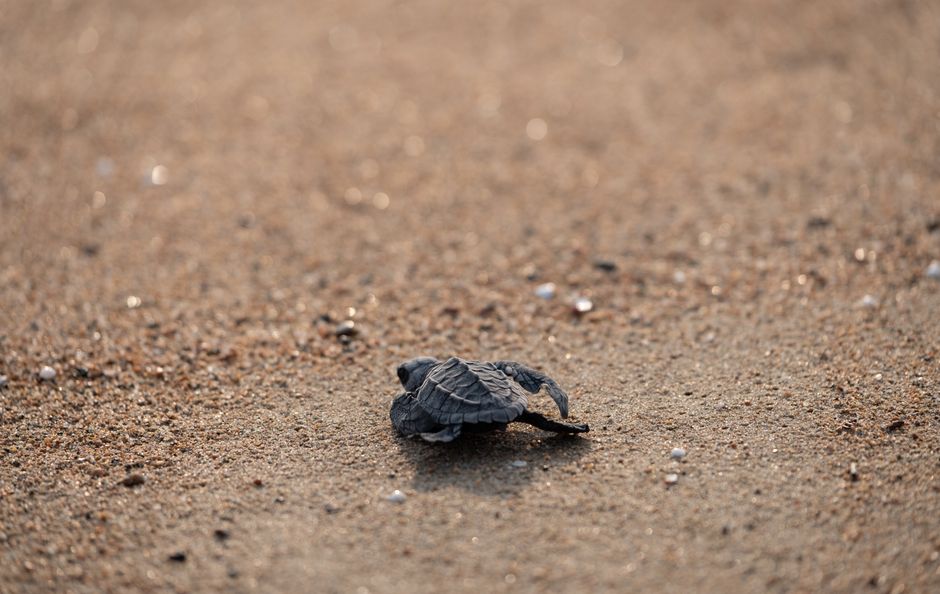
Olive ridley sea turtles nested on California beaches for the first time, facing immediate danger from tropical storm swells.
 🦎Reptiles
Sea Turtle Nesting West Coast: Rare Sighting Guide
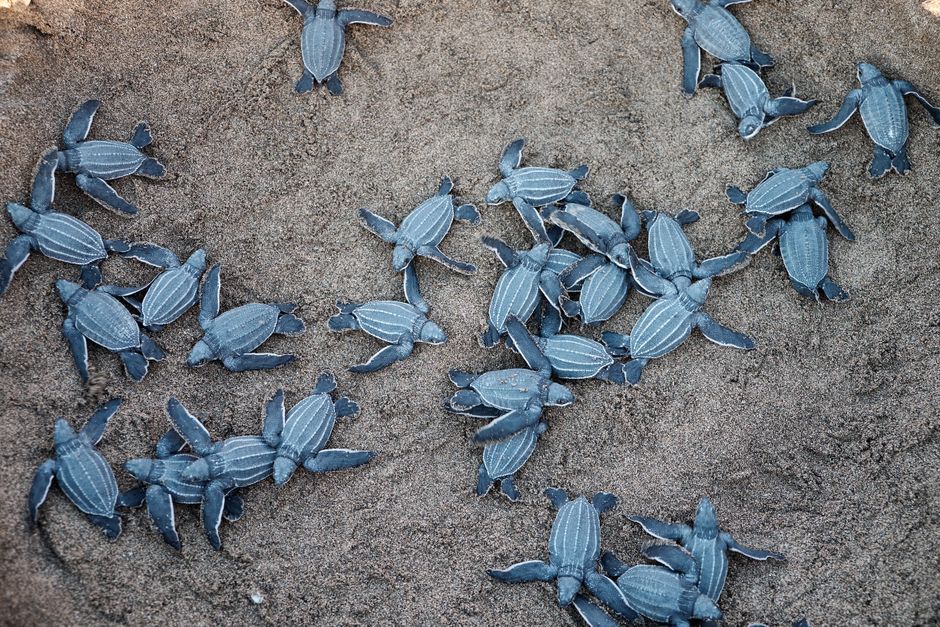
A rare olive ridley sea turtle nested on a Southern California beach, marking a historic first for the West Coast.
 🦎Reptiles
Can Tortoises Eat Tomatoes? Safe Diet Guide
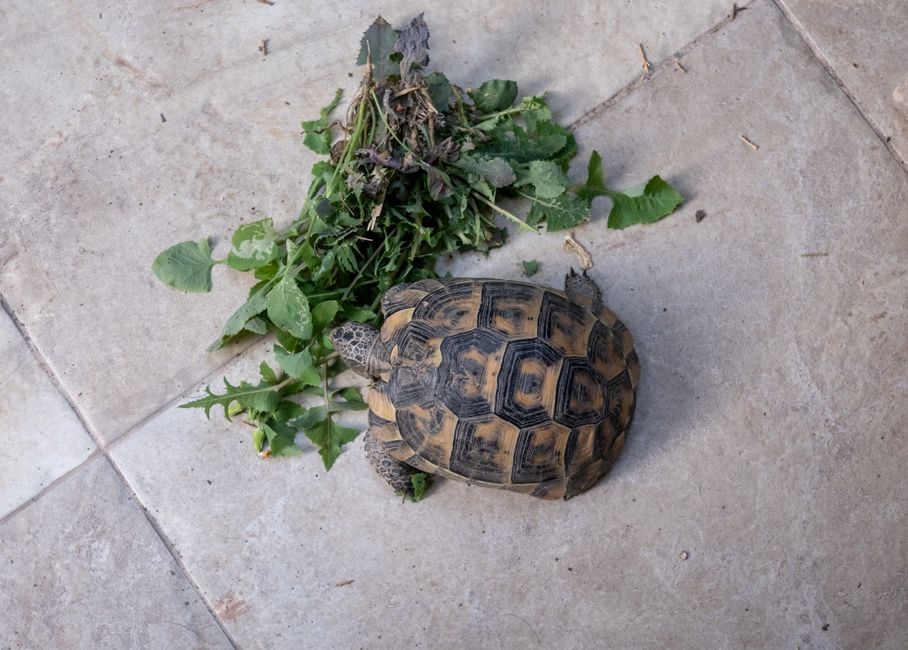
Wondering if tortoises can eat tomatoes? Learn why the plant is toxic, how fruit affects digestion, and what greens are safer for your pet.