
Sea Turtle Nest Boil: What It Means and Why It Happens
A recent hatch event at Fort Fisher showed visitors just how wild this moment looks in real life. Scores of tiny loggerhead hatchlings scrambled upward at once, turning a quiet patch of dune sand into a sudden wave of flippers. For wildlife lovers and reptile enthusiasts who care for domestic species at home, witnessing wild reptile behavior offers a fascinating look at natural instinct at work.
What Is a Sea Turtle Nest Boil?
A sea turtle nest boil is the sudden, coordinated emergence of dozens to hundreds of baby turtles from an underground nest cavity. The sand visibly bubbles, sinks, and moves as flippers churn beneath the surface, giving the impression that the beach itself is boiling over.
Mother turtles dig deep chambers in dry beach dunes to lay their clutches. When incubation finishes, the eggs do not hatch on completely separate days. Instead, the babies pip around the same time and begin to push upward together.
As the turtles beneath push the sand down, the turtles on top rise higher. This team effort allows small hatchlings to escape a heavy sand column that a single baby could never dig through alone.
Why Do Sea Turtles Hatch All at Once?
Sea turtles hatch all at once to increase their individual chances of surviving the dangerous dash to the ocean. Scientists call this predator swamping, because predators like gulls, ghost crabs, and foxes cannot eat every single hatchling when dozens run at the same exact moment.
Safety in numbers is the primary defense for young aquatic reptiles. Just as hobbyists carefully monitor social groups and stress in captive setups, such as choosing calm partners in an axolotl tank mates guide, wild hatchlings depend entirely on timing to avoid being eaten.
The Role of Sand Temperature
Temperature serves as the master trigger for the emergence. Hatchlings wait beneath the top layer of sand until the heat of the sun fades, usually during dusk, nighttime, or heavy cloud cover.
Cooler sand tells the turtles that the burning sun has dipped. Emerging in darkness protects their soft bodies from daytime dehydration and shields them from birds hunting by sight.
What Species Cause a Sea Turtle Nest Boil?
Loggerhead sea turtles are the most common species to produce a sea turtle nest boil along the southeastern Atlantic coast, including popular spots like Fort Fisher. Other sea turtle species, including green turtles, leatherbacks, and Kemp's ridleys, display this same group emergence behavior across the globe.
Loggerheads are famous for their massive heads and powerful jaws, which they use as adults to crush hard-shelled prey like crabs and conchs. When they first break out of their shells, however, they are barely longer than a human thumb.
Watching wild reptile lifecycles reminds us of the massive commitment required to house any captive reptile long term. As a basic welfare rule, always research a species' full adult size and environmental needs before bringing any domestic reptile home, or consult an exotic-animal veterinarian for specific guidance on captive care.
How Do Hatchlings Find the Ocean After a Boil?
After bursting from the sand, hatchlings find the ocean by orienting themselves toward the brightest natural horizon, which is the open sky reflecting off the ocean surface. They also use the downward slope of the beach to guide their flippers toward the surf.
Artificial lighting on modern coastlines creates serious problems for this ancient navigation system. Beachfront porch lights, flashlights, and street lamps easily confuse the young turtles, causing them to crawl inland toward roads and dunes instead of the sea.
How You Can Protect Hatching Sea Turtles
Beachgoers and coastal residents play a huge role in ensuring hatchlings make it safely through their first journey. Here are simple steps you can take to protect them:
- Turn off all outdoor beachfront lights visible from the sand after sunset during hatching season.
- Avoid using bright phone screens, white flashlights, or camera flashes near marked turtle nests.
- Flatten sandcastles and fill all holes before leaving the beach so tiny turtles do not get trapped.
- Keep a respectful distance and give volunteers and state park teams room to monitor the nest.
What Should You Do If You See a Nest Boil?
If you see a sea turtle nest boil on the beach, remain quiet, step back several yards, and never touch or assist the crawling turtles unless directed by an authorized wildlife official. Sea turtles are protected by federal and state wildlife laws, meaning touching or interfering with them carries heavy penalties.
The crawl across the sand is not wasted effort. That difficult scramble helps the hatchlings activate their muscles, clear sand from their eyes and lungs, and imprint on the unique magnetic signature of their birth beach.
Female turtles return decades later to the very beaches where they emerged. Allowing them to crawl into the surf on their own strength ensures this natural cycle continues unbroken for future generations.
Final Thoughts
A sea turtle nest boil is one of the most stunning sights in the natural world, showing the power of instinct and collective survival. Respecting dark beach rules and giving nesting areas plenty of space helps these ancient ocean wanderers reach the water safely. If you love learning about fascinating reptiles and want to expand your pet care knowledge, explore more RarePetCare guides to discover tips for caring for exotic animals at home.
Frequently Asked Questions
How long does a sea turtle nest boil last?
A sea turtle nest boil usually lasts between two and ten minutes as the group pushes out of the sand and scrambles to the water.
What time of day do sea turtle nests boil?
Most nest boils happen at night or late evening when the sand cools down, protecting hatchlings from the hot sun and daytime predators.
Can you touch baby sea turtles during a boil?
No, you should never touch wild hatchlings because they are legally protected, and handling them disrupts their natural beach imprinting process.
Why do baby turtles wait together before boiling?
Baby turtles wait together just beneath the sand surface until temperatures drop so they can erupt as a coordinated group to overwhelm predators.
Explore More Reptiles Guides
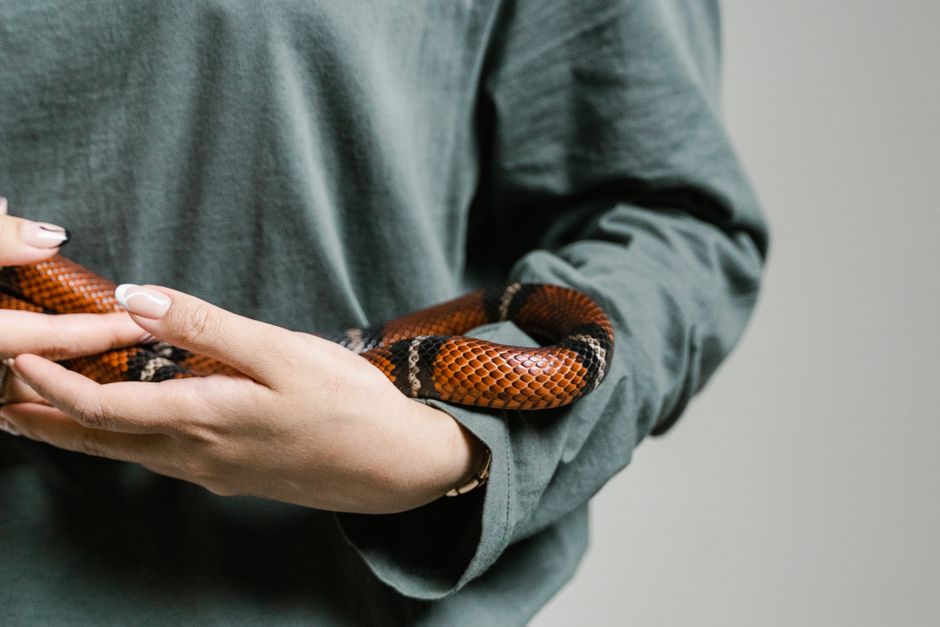 🦎Reptiles
How Long Can You Leave a Snake Alone? Safe Travel Guide
Planning a trip? Learn how long you can safely leave your pet snake alone, key enclosure checks, and when you must hire a pet sitter.
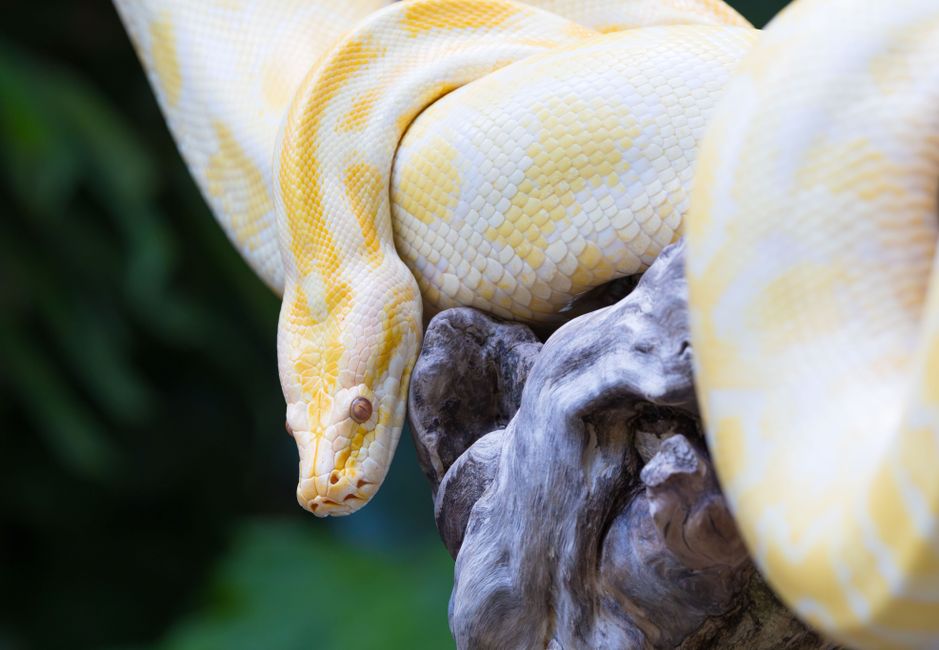 🦎Reptiles
17-Foot Python in the Everglades: Inside the Giant Catch
Hunters captured a massive 17-foot python in the Everglades after an intense battle in waist-deep water.
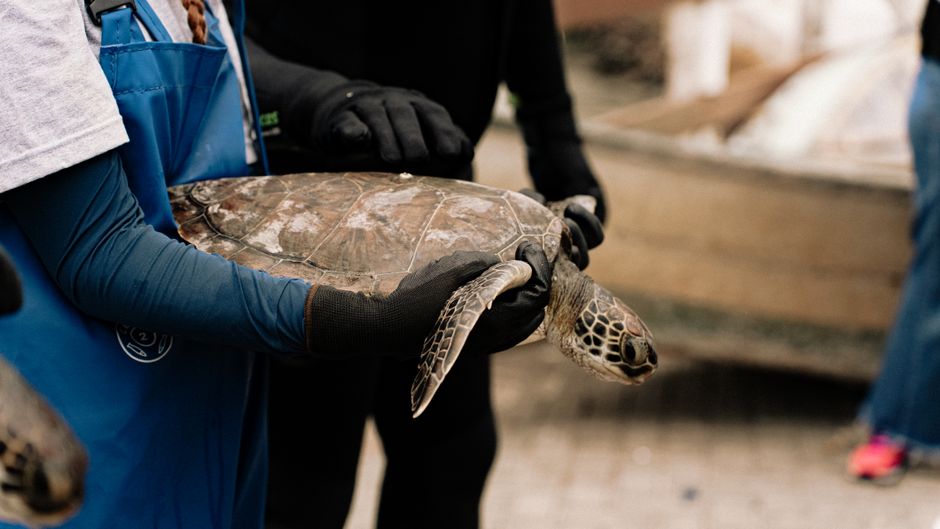 🦎Reptiles
Bali Sea Turtle Rescue: Why Smugglers Fled
When smugglers abandoned 22 sea turtles aboard a boat off Bali, local residents and authorities rushed in to save the endangered reptiles.