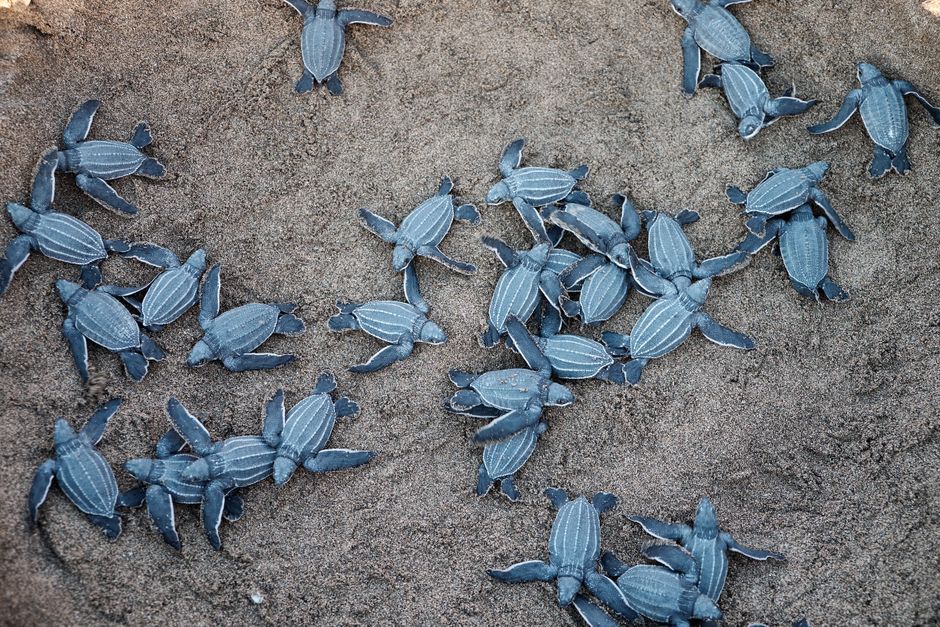
Sea Turtle Nesting West Coast: Rare Sighting Guide
A wild olive ridley sea turtle recently shocked biologists by hauling herself onto a Southern California beach to lay eggs. This historic event marks the very first documented instance of sea turtle nesting west coast shores have ever seen. Sea turtle nesting west coast events refer to tropical or subtropical marine turtles establishing egg clutches on Pacific beaches north of Mexico, where coastal sand is typically too cool for natural incubation.
For reptile lovers and conservationists, this rare moment provides a fascinating look at animal adaptability. Seeing a marine reptile choose an entirely new habitat reminds us how closely tied all reptiles are to their environments. Let us break down what happened, why it matters, and what researchers are doing to monitor the coast.
What Happened With Sea Turtle Nesting West Coast Records?
An olive ridley sea turtle crawled out of the surf onto a Southern California shoreline to dig an egg chamber, creating the first confirmed sea turtle nest in California history. Observers spotted the turtle moving slowly across the sand during the night, depositing a full clutch before returning safely to the open Pacific ocean.
Biologists were stunned because olive ridley sea turtles normally lay their eggs hundreds of miles to the south. Their traditional nesting grounds line the warm tropical beaches of mainland Mexico and Central America. Until this sighting, no historical record showed a female sea turtle depositing eggs on mainland California sands.
After the turtle returned to the water, wildlife experts confirmed the site held fertile eggs. You might already know what is a baby turtle called if you study reptiles, and seeing these wild hatchlings emerge on a local beach would be an extraordinary sight. Field teams carefully marked the location to protect the clutch from disturbances while they gathered baseline scientific data.
Why Did an Olive Ridley Turtle Nest in Southern California?
Researchers suspect that warmer ocean currents, shifting food supplies, and changing surface water temperatures carried this turtle much farther north than her usual range. When a female carries eggs that are ready for deposition, she must find land quickly, even if the beach is outside her typical nesting territory.
Olive ridleys are famous for synchronized mass nestings called arribadas, where thousands of females gather on tropical beaches. A solitary female traveling north likely followed offshore patches of jellyfish and crabs. Once her internal clock signaled that it was time to lay, the nearest accessible sandy coast became her only viable option.
How Ocean Temperatures Influence Reptile Behavior
Reptiles rely directly on ambient environmental warmth to regulate their internal body functions. When ocean currents warm up, tropical reptiles can swim into northern waters without entering cold shock. In this case, elevated sea temperatures likely allowed the turtle to remain active and healthy well outside her customary range.
Even a small rise in coastal water temperatures can alter migration routes for marine species. Marine biologists are now watching regional water patterns closely to see if other sea turtles follow similar paths in coming seasons.
How Are Researchers Protecting These Coastal Turtle Nests?
Wildlife officials protect West Coast sea turtle nests by setting up secure boundaries, monitoring sand moisture, and guarding the site against human interference. State and federal agencies work together to create safe buffers so curious beach visitors do not disturb the buried clutch.
Incubation requires very specific conditions for turtle eggs to develop properly. Because Southern California sand tends to be cooler than tropical sand, biologists are tracking temperature profiles inside the sand bed. Sand warmth also determines the sex of developing turtle embryos, making continuous thermal monitoring essential.
Key Hazards Facing Wild Beach Nests
Coastal public beaches present serious challenges for developing sea turtle eggs. Researchers must manage several common threats to give the clutch the best chance of survival:
- Artificial beach lighting that can confuse young hatchlings and lure them away from the ocean.
- Heavy foot traffic and grooming vehicles that can pack sand down or crush underground chambers.
- Domestic pets and native coastal scavengers like gulls, raccoons, and coyotes digging for eggs.
- Cooler night air that can slow embryonic growth or prevent eggs from developing completely.
By keeping the public informed and watching the nest site around the clock, conservation teams hope to guide any emerging young safely into the surf.
What Can Pet Parents Learn From This Rare Reptile Event?
This wild nesting event demonstrates just how sensitive all reptiles are to temperature, substrate quality, and quiet surroundings when reproducing. Whether you keep bearded dragons, geckos, or aquatic turtles, the basic biological needs of cold-blooded pets mirror those of their wild relatives.
Captive female turtles often struggle with egg-binding if they lack a warm, deep, and secure nesting area. When creating an egg-laying box for captive chelonians, pet parents must provide loose, damp substrate at the exact warmth their species requires. If conditions feel unsafe or cold, a female turtle will hold her eggs, which quickly leads to dangerous medical complications.
As a responsible welfare note, always research a species full adult housing and thermal requirements before bringing any captive turtle home, and consult an exotic animal veterinarian whenever your pet shows signs of distress. Understanding how wild turtles respond to their environment helps every pet parent provide better daily care, proper heating, and comfortable enclosures.
Final Thoughts
The documented sea turtle nesting west coast occurrence gives scientists and animal fans a thrilling look at nature in motion. As our coastal waters shift, watching how resilient reptiles respond teaches us valuable lessons about wildlife protection and captive care. Explore more of our guides on RarePetCare to deepen your understanding of exotic reptiles, aquatic animals, and specialized pet husbandry.
Frequently Asked Questions
Do sea turtles usually nest in California?
No, sea turtles do not normally nest on California beaches because local sand temperatures are generally too cool for eggs to develop. Southern California waters serve as feeding grounds, but nesting usually occurs much farther south in Mexico and Central America.
What should you do if you spot a sea turtle on a public beach?
Keep a respectful distance of at least fifty feet, keep pets leashed, and avoid shining lights or flash photography at the animal. Contact local wildlife authorities or marine rescue organizations immediately so trained biologists can secure the area.
How does sand temperature affect sea turtle eggs?
Sand temperature dictates the incubation rate and determines the sex of the hatchlings. Warmer sand typically produces female hatchlings, while cooler sand results in male hatchlings, and extreme cold can stop development altogether.
Can you keep an olive ridley sea turtle as a pet?
No, all sea turtle species are federally protected wild animals and it is strictly illegal to capture, keep, or sell them as pets. Reptile enthusiasts can instead care for legally captive-bred freshwater turtle species with proper permits and enclosures.
Explore More Reptiles Guides
 🦎Reptiles
Can Tortoises Eat Tomatoes? Safe Diet Guide
Wondering if tortoises can eat tomatoes? Learn why the plant is toxic, how fruit affects digestion, and what greens are safer for your pet.
 🦎Reptiles
What Is a Baby Turtle Called? The Real Name Explained
Discover the true name for a baby turtle, why common naming myths exist, and how young hatchlings develop into adulthood.
 🦎Reptiles
How to Sex a Lizard: Complete Identification Guide
Discover how to sex a lizard accurately at home using visual traits, femoral pores, and safe handling techniques.