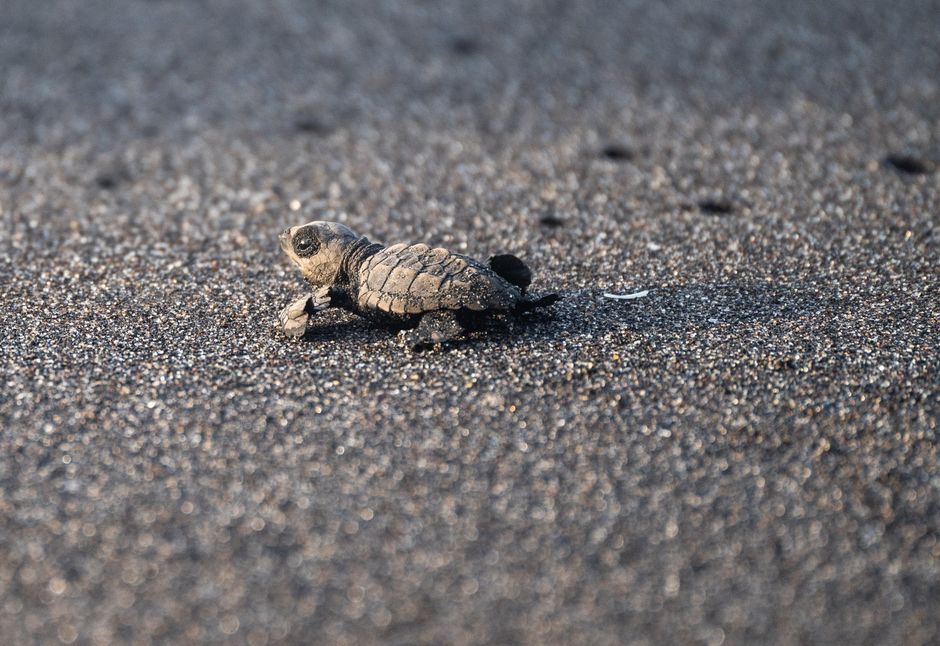
What Is a Baby Turtle Called? The Real Name Explained
What Is a Baby Turtle Called?
A baby turtle is called a hatchling. Any turtle that has recently broken out of its egg and is still in its earliest stage of life carries this name, regardless of whether it is an aquatic turtle, a sea turtle, or a land-dwelling tortoise.
People come up with all kinds of inventive names when trying to guess what is a baby turtle called. You might hear words like turtlet, tortillon, or tortulette tossed around in casual conversation. While those sounds are charming, none of them are biological terms. In the reptile world, the moment a young turtle emerges from its shell, scientists and pet keepers call it a hatchling.
Once that hatchling begins growing and leaves behind its initial yolk-sac stage, it enters the juvenile phase. Understanding these life stages helps you give young reptiles the exact care and attention they require to thrive.
Why Do People Get the Name for a Baby Turtle Wrong?
People get the name for a baby turtle wrong because human language loves miniature suffixes like let or ling, which leads to creative guesswork. English speakers often invent words like turtlet by analogy with piglet or owlet, while French speakers might invent words like tortueau.
None of those invented names have ever had official standing in biology or veterinary science. The confusion also grows because people mix up turtles, tortoises, and terrapins. While these shelled reptiles have distinct habitats and shell shapes, their babies all share the exact same label. Every single one emerges from an egg, which means every single newborn is simply a hatchling.
Turtles Versus Tortoises at Birth
Both baby turtles and baby tortoises share the hatchling title, but their start in life looks very different depending on the species. Aquatic turtle hatchlings often need to reach water quickly after digging their way out of a sandy nest to avoid drying out or being eaten by birds. Land tortoise hatchlings emerge on dry ground and immediately seek shelter under leaves, rocks, or grasses to stay safe from heat and predators.
If you plan on keeping land species in your garden as they grow older, check our guide on keeping tortoises outside safely to understand their environmental needs. A baby turtle hatchling of any variety is fragile, soft, and easy prey in the wild, so staying hidden is their main survival instinct during those first critical weeks.
How Does a Turtle Hatchling Break Out of Its Shell?
A turtle hatchling breaks out of its shell using a sharp, temporary horn on the tip of its snout called an egg tooth or caruncle. The young reptile uses this pointed tool to puncture the tough inner membrane and shell from the inside out.
The hatching process takes serious patience. Breaking free is exhausting work for a tiny animal, and the entire breakout can take anywhere from several hours to a couple of days. The baby will slice open a small slit, take long rests, and slowly push against the shell walls as its body adjusts to the outside air.
Once the hatchling completely clears the shell, the temporary egg tooth is no longer needed. It naturally falls off or absorbs within a few days to a couple of weeks after hatching, leaving a smooth snout behind.
What Does a Hatchling Need Immediately After Hatching?
Immediately after hatching, a baby turtle absorbs the remainder of its yolk sac, which is attached directly to the underside of its shell. This nutrient-dense yolk provides all the food and water the tiny reptile needs for its first few days of life.
Pet owners who incubate eggs often feel an urge to feed a newborn right away, but you must let nature run its course. Never try to pull, peel, or cut an attached yolk sac off a newborn turtle, as doing so can cause fatal bleeding or infection. The baby should be kept in a clean, humid nursery environment on damp paper towels until the yolk is entirely absorbed and the plastron has fully closed.
- Keep the nursery warm and humid to prevent the delicate shell and skin from drying out.
- Do not handle the baby unnecessarily during its first week, because stress can weaken its immune response.
- Offer shallow, clean water once the yolk is fully absorbed so the young reptile can hydrate safely without risk of drowning.
- Provide species-appropriate starter foods only after the yolk site on the tummy has completely sealed shut.
How Do Baby Turtles Grow into Juveniles and Adults?
A baby turtle transitions from a hatchling to a juvenile once it absorbs its yolk sac, begins actively foraging for food, and starts putting on steady body weight. This juvenile stage lasts for several years until the animal reaches sexual maturity.
During the juvenile stage, turtles grow at their fastest rate. Their shells, which start out relatively soft and flexible at birth, harden as they absorb calcium and exposure to natural sunlight or full-spectrum UVB lighting. Without adequate light and proper minerals, young reptiles risk developing metabolic bone disease, a painful condition that causes permanent shell deformities.
Always research the full adult size and specific dietary needs of a species before bringing one home. Many tiny turtles sold in pet shops grow into large, strong animals that require hundreds of gallons of water or extensive outdoor pens. If you ever notice soft spots on a growing shell, cloudy eyes, or a refusal to eat, consult an exotic-animal veterinarian for specific guidance promptly.
Final Thoughts
Now that you know what is a baby turtle called, you can put those playful myths to rest and use the proper term: hatchling. These fascinating little reptiles face tough challenges from the moment they pip their shells, and watching them grow into sturdy juveniles is one of the most rewarding experiences in the hobby. Take time to learn your pet species inside and out, and check out our other reptile care guides on RarePetCare to give your scaled friends the best life possible.
Frequently Asked Questions
Is a baby turtle called a tortillon?
No, tortillon is not a real biological name for a young turtle. The correct term for a newly hatched turtle is a hatchling.
What is a group of baby turtles called?
A group of baby turtles emerging together from a nest is commonly called a clutch, brood, or bale.
How long is a turtle considered a hatchling?
A turtle is generally considered a hatchling during its first year of life, or until it has absorbed its yolk and established steady growth as a juvenile.
Can you hold a newborn turtle hatchling?
You should avoid handling a newborn hatchling as its shell is soft and its yolk site is still closing, making it vulnerable to injury and infection.
Explore More Reptiles Guides
 🦎Reptiles
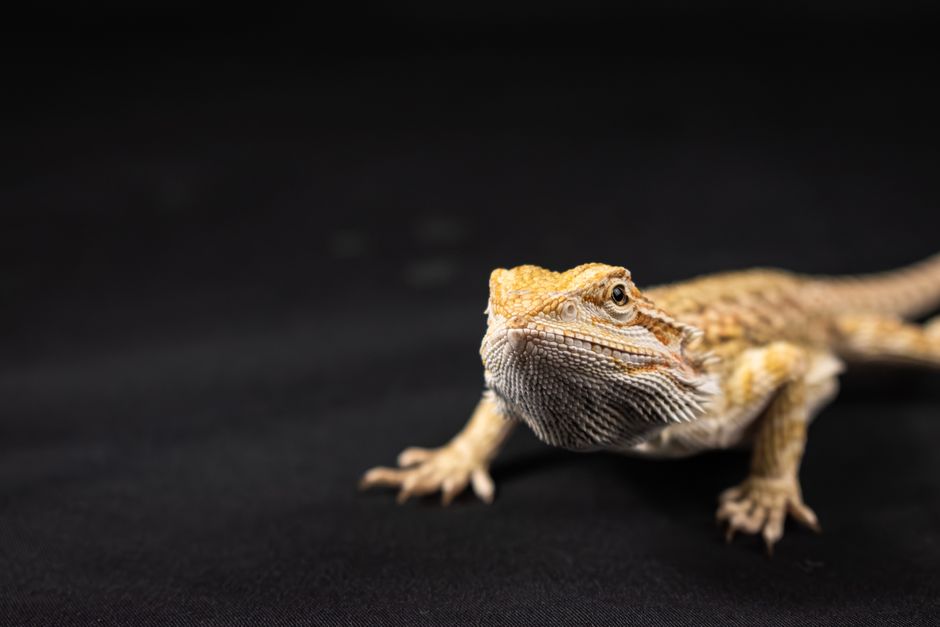
How to Sex a Lizard: Complete Identification Guide
Discover how to sex a lizard accurately at home using visual traits, femoral pores, and safe handling techniques.
 🦎Reptiles
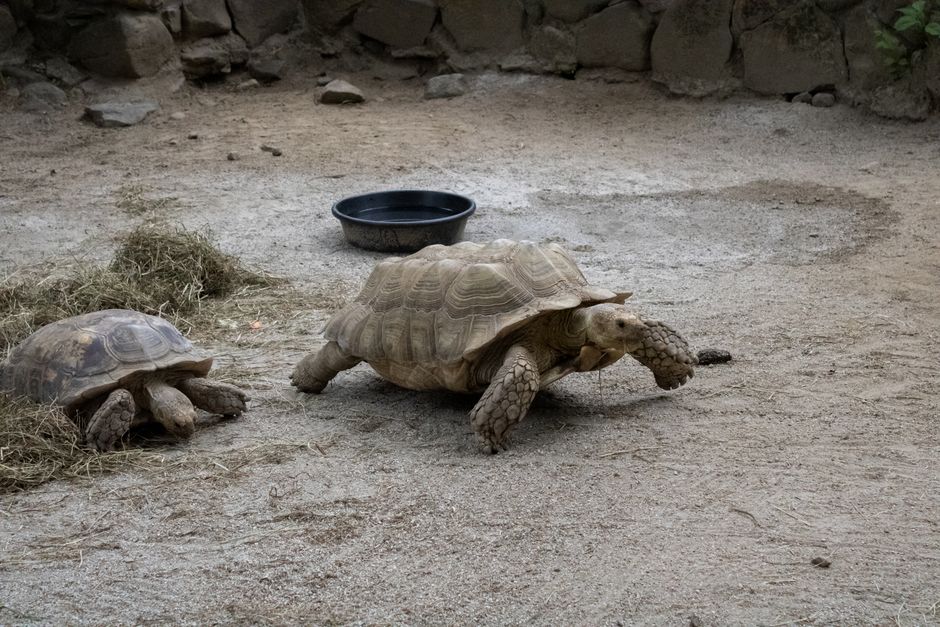
Keeping Tortoises Outside: Safe Outdoor Care Guide
Discover how keeping tortoises outside provides natural sunlight, healthy grazing, and active exercise in a secure outdoor enclosure.
 🦎Reptiles
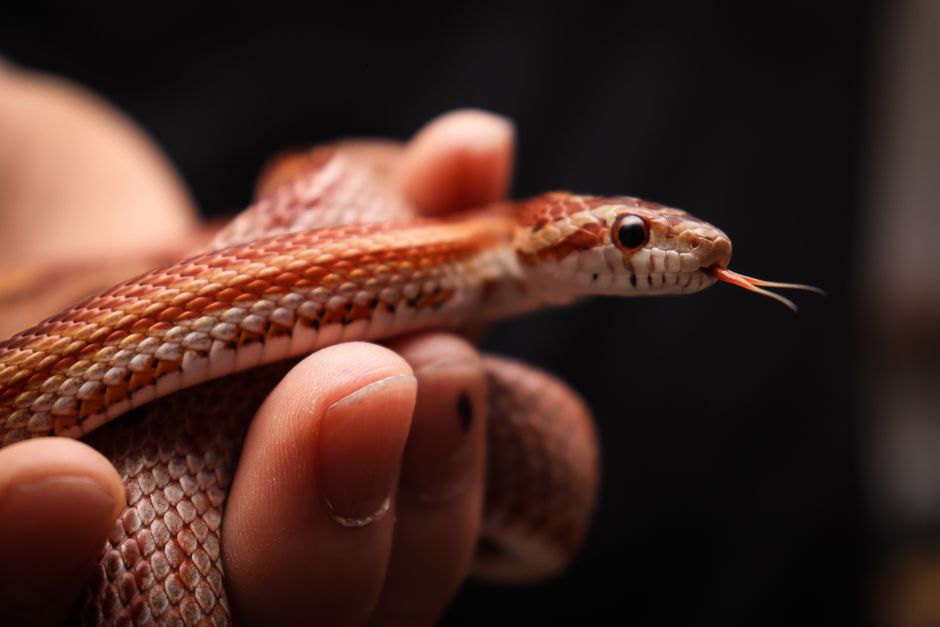
How to Sex a Snake: Safe Methods for Keepers
Learn how to sex a snake accurately and safely using visual checks, popping, and professional probing techniques.