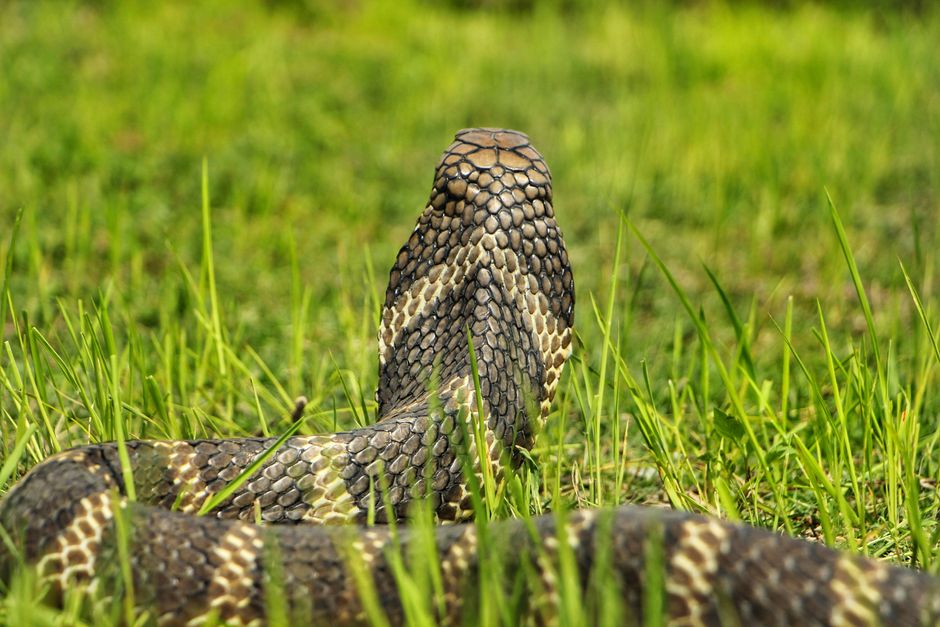
Snake Regurgitation: Causes, Risks, and Safe Care
Finding an undigested meal inside your pet reptile enclosure can be alarming. Snake regurgitation is the expulsion of an undigested or partially digested meal days or hours after feeding, usually triggered by improper habitat temperatures, handling stress, wrong prey size, or underlying illness. It is a serious physical event that strips a reptile of fluids and stomach acids, so acting quickly and carefully is essential.
What Is the Difference Between Snake Regurgitation and Vomiting?
Snake regurgitation is the passive or forceful expulsion of food from the esophagus or early stomach before full digestion occurs, while vomiting involves food that has spent significant time in the lower digestive tract. Most snake owners use the terms interchangeably, but regurgitation is by far the most common digestive emergency seen in captive snakes.
When a snake regurgitates, the meal often comes back up relatively intact, surrounded by thick mucus. If food stays in the stomach for several days without digesting, it begins to rot inside the digestive tract before the snake expels it. This process creates a foul odor and exposes the delicate lining of the throat to harsh digestive acids. You will immediately notice the difference between normal waste and an expelled meal by its shape, smell, and location in the enclosure.
Because reptiles rely on external heat to fuel their metabolism, their digestive tract shuts down when conditions are wrong. When digestion stalls, the snake has no choice but to purge the decaying food to prevent fatal bacterial buildup in its belly.
Why Did My Snake Regurgitate Its Meal?
The most common cause of snake regurgitation is incorrect enclosure temperature, closely followed by handling too soon after a meal, oversized prey, and internal parasites. Identifying the exact trigger helps you fix the issue before offering food again.
Low Habitat Temperatures
Snakes require a specific warm spot to produce digestive enzymes and break down whole prey items. If the warm side of your enclosure is too cold, the food item sits inside the stomach and begins to decompose instead of breaking down. Always double-check your heating equipment using an accurate digital probe or infrared thermometer gun, especially when comparing species with different temperature needs like a Corn Snake vs Ball Python.
Handling Too Soon After Feeding
Handling creates physical pressure and stress on a full digestive tract. When a snake feels stressed or defensive with a full belly, its natural survival instinct is to lighten its body weight so it can flee from perceived predators. Giving your pet complete privacy and quiet for at least 48 hours after every feeding is one of the easiest ways to prevent this problem entirely.
Prey Size and Physical Obstructions
Offering prey that is too wide or too heavy puts excessive strain on your snake's stomach. A good rule of thumb is to choose a feeder that is no wider than the thickest part of your snake's body. Swallowing prey that is too large can stretch the stomach wall, damage tissue, and force the animal to reject the meal hours later. Substrate ingestion during feeding can also cause blockages that trigger a purge.
Why Is Snake Regurgitation Dangerous for Reptiles?
Snake regurgitation is dangerous because it severely dehydrates the animal, strips essential electrolytes, and causes severe chemical burns to the esophagus from regurgitated stomach acid. Repeated episodes can lead to a fatal cycle where the snake becomes too weak and inflamed to hold down any food at all.
Unlike mammals, snakes produce potent stomach acids capable of dissolving whole bones, fur, and scales. When these strong fluids travel backward up the throat, they strip away the protective mucus layer and irritate delicate tissues. If you attempt to feed your snake again right away, the new meal will irritate the raw lining, triggering another purge and causing even deeper tissue damage.
A single regurgitation event weakens a snake's immune system and leaves it vulnerable to secondary respiratory infections or systemic bacterial blooms. As a welfare priority, always consult an exotic-animal veterinarian if your snake appears lethargic, loses significant body mass, or purges a second time.
How to Treat Snake Regurgitation Step by Step
To safely manage snake regurgitation, you must immediately rest the digestive system, rehydrate your pet, correct all enclosure parameters, and wait a minimum of two weeks before offering a much smaller meal. Rushing the recovery process is the leading reason snakes enter a chronic regurgitation cycle.
- Clean the enclosure thoroughly to remove all traces of bacteria, soiled bedding, and foul odor.
- Verify your temperature gradient with a reliable thermometer to ensure the warm basking zone is operating correctly.
- Provide fresh, clean drinking water daily to help replace lost fluids and restore electrolyte balance.
- Leave the snake completely undisturbed for 14 full days without handling or feeding attempts.
- After two full weeks of rest, offer a meal that is one-fourth to one-half the normal size, preferably a pre-killed or thawed item.
- Dust the first recovery meal with reptile-safe probiotics or electrolyte powder if recommended by an exotic vet.
If your snake successfully keeps the smaller meal down for 48 hours, wait another 7 to 10 days before offering another slightly reduced meal. Slowly build back up to normal prey size over the course of four to six weeks. This slow progression gives the esophageal lining ample time to heal and rebuild its natural protective barriers.
How Can You Prevent Digestive Issues in Pet Snakes?
You can prevent snake regurgitation by maintaining stable enclosure temperatures, feeding appropriately sized prey in a low-stress environment, and leaving your snake completely alone while it digests. Proper husbandry is the most effective defense against digestive distress.
Make sure your heating elements are always connected to a reliable thermostat. Unregulated heat mats and ceramic heat emitters can either run dangerously hot or drop too low during seasonal room temperature shifts. Keeping a stable day and night temperature cycle ensures your reptile can thermoregulate efficiently whenever it needs to process a meal.
Feed your snake inside its home enclosure or in a quiet, dimly lit space to minimize unnecessary handling. Never pick up, hold, or transport your snake during the 48-hour post-meal window. If you recently acquired your reptile, give it at least one to two weeks to settle into its new environment before attempting its very first feeding session.
Final Thoughts
Dealing with snake regurgitation requires patience, strict observation, and a complete pause on feeding so your pet's throat and stomach can fully recover. By correcting enclosure temperatures and giving your reptile two weeks of quiet rest, you can break the regurgitation cycle and restore your snake to vibrant health. Explore more RarePetCare guides to discover expert husbandry tips and habitat advice for all your exotic pets.
Frequently Asked Questions
How long should I wait to feed my snake after regurgitation?
You should wait at least 14 full days before offering food again so the raw esophageal lining has time to heal.
Can a snake die from regurgitating its food?
Yes, repeated regurgitation strips vital fluids and stomach acids, leading to severe dehydration, esophageal damage, and death if left unaddressed.
Should I soak my snake after it regurgitates?
Avoid soaking immediately after a regurgitation event because the added stress can worsen the snake's condition, but ensure clean drinking water is always available in the cage.
Why does regurgitated snake food smell so bad?
The food item began decomposing in the warm stomach before being expelled, creating a strong odor of rotting prey mixed with potent stomach acid.
Explore More Reptiles Guides
 🦎Reptiles
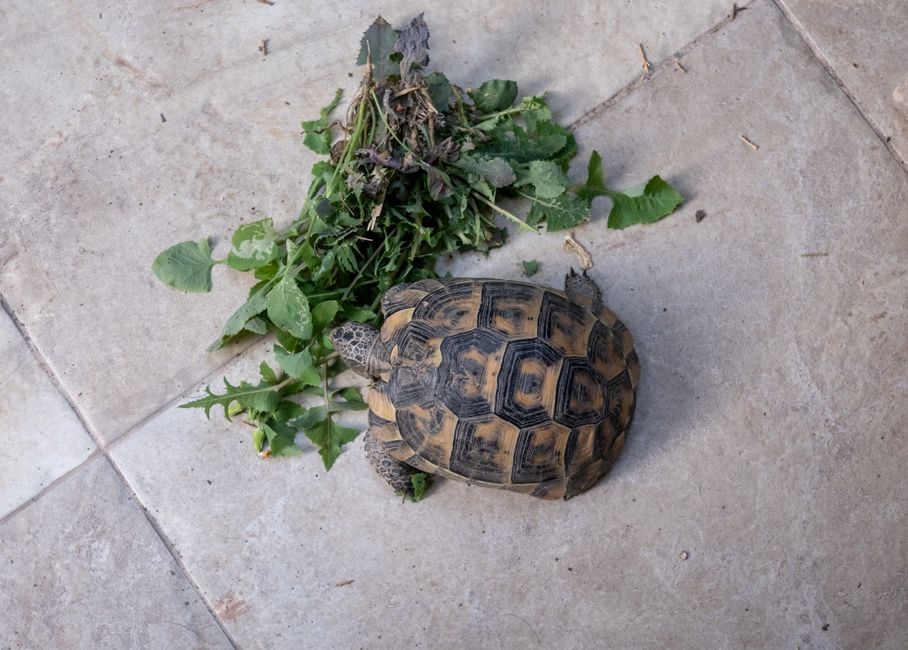
Can Tortoises Eat Tomatoes? Safe Diet Guide
Wondering if tortoises can eat tomatoes? Learn why the plant is toxic, how fruit affects digestion, and what greens are safer for your pet.
 🦎Reptiles
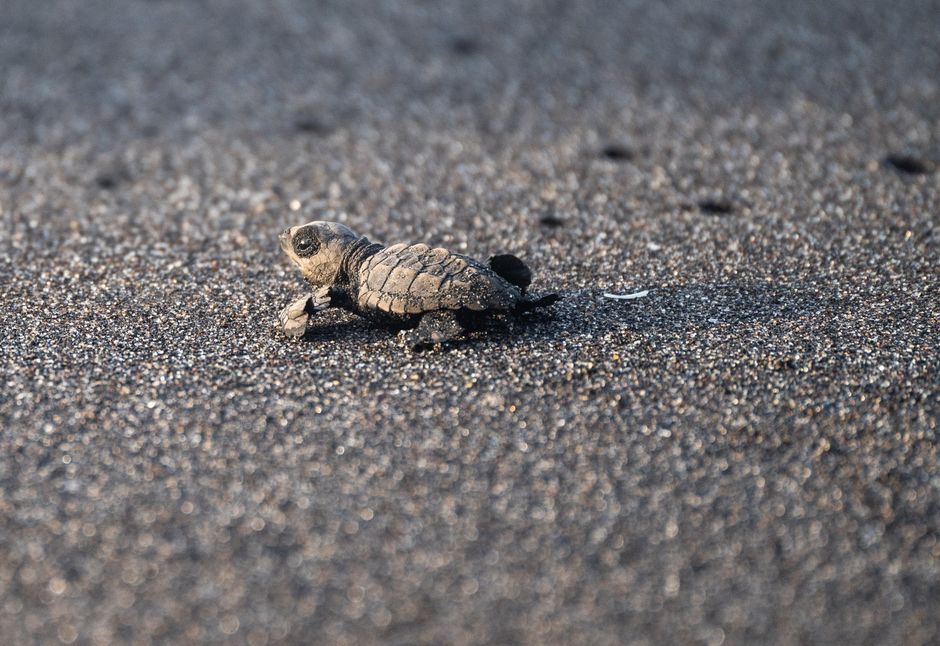
What Is a Baby Turtle Called? The Real Name Explained
Discover the true name for a baby turtle, why common naming myths exist, and how young hatchlings develop into adulthood.
 🦎Reptiles
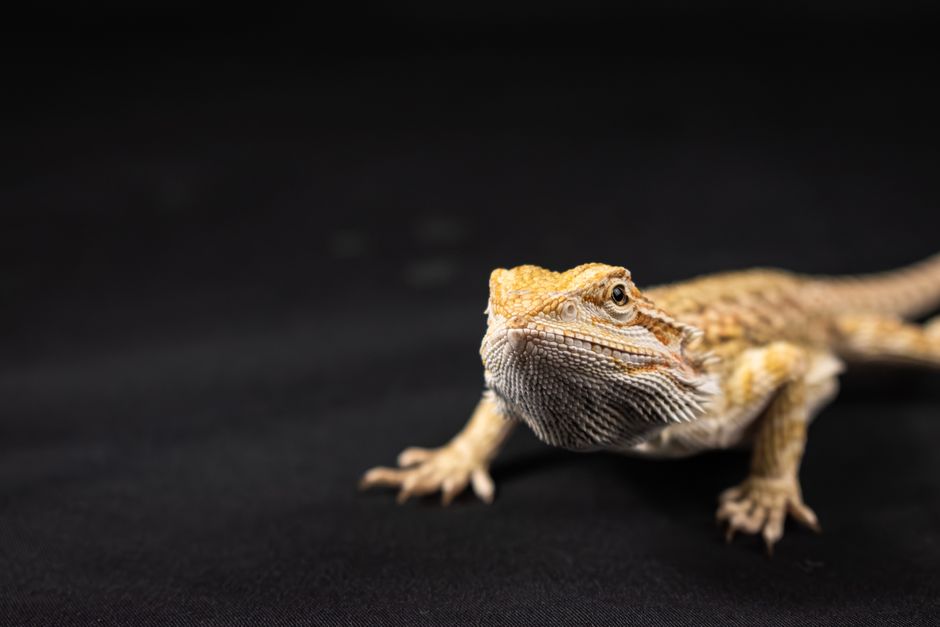
How to Sex a Lizard: Complete Identification Guide
Discover how to sex a lizard accurately at home using visual traits, femoral pores, and safe handling techniques.