Snake Stuck Shed: Safe Ways to Help Your Pet
What Is Snake Stuck Shed and Why Does It Happen?
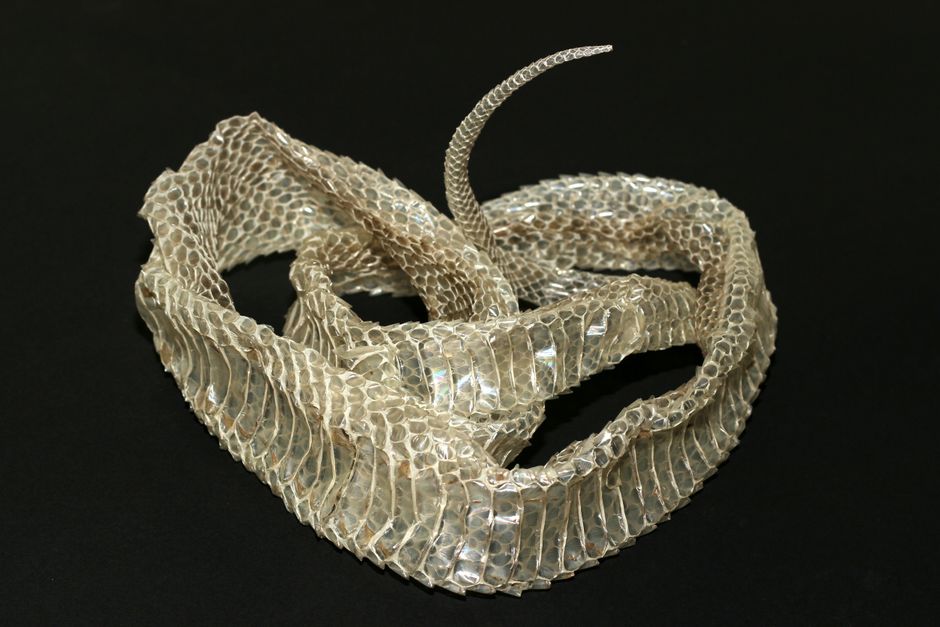
Snake stuck shed happens when pieces of old, dead skin fail to peel away cleanly during a normal shedding cycle, leaving dry patches clingy and tight against your reptile's body. In healthy conditions, a snake should roll its entire outer layer off in one single, clean piece from head to tail. Incomplete sheds, also called dysecdysis, almost always point to incorrect enclosure humidity, poor hydration, or rough surface shortages inside the habitat.
Finding flaky patches or retained skin on your pet can feel stressful, but it is one of the most common issues reptile owners face. Fortunately, with the right adjustments and gentle handling, you can resolve the issue quickly and keep your pet comfortable.
Understanding your reptile's natural habits also helps you spot issues early. For example, learning how active snakes are during their regular cycles makes it easier to tell when shedding discomfort is making them lethargic or withdrawn.
What Causes Snake Stuck Shed in Captivity?
The primary cause of snake stuck shed is low ambient humidity inside the enclosure, which dries out the lubricating layer between old and new skin before the animal can crawl out of it. Without proper air moisture and access to drinking water, the shed adheres tightly to the fresh scales underneath.
While low moisture levels cause the vast majority of shedding problems, several other everyday husbandry mistakes can make the problem worse.
Common Enclosure Mistakes That Cause Shedding Issues
- Keeping the humidity gauge in the wrong spot or using an inaccurate dial hydrometer that misreads dry air.
- Failing to provide a proper humid hide box packed with damp sphagnum moss during the pre-shed cloudy phase.
- A lack of safe, textured cage decor like clean branches or rough stones that your snake can rub its nose against to start the peel.
- Allowing the drinking water dish to run dry or placing it too far from the warm side of the tank to create ambient humidity.
- Handling your snake excessively while its eyes are cloudy, which creates stress and interrupts natural pre-shed resting periods.
Underlying health problems can also cause retained skin. External parasites like snake mites, internal nutritional deficiencies, or minor scale injuries prevent the skin from separating smoothly. Always consult an exotic-animal veterinarian if your snake repeatedly has trouble shedding despite correct habitat conditions.
How to Safely Remove Stuck Shed from a Snake
The safest way to remove snake stuck shed is to loosen the dry skin with controlled moisture and let the snake crawl through a damp, textured towel. Never pull or tear dry skin off a snake with your bare hands, as ripping stuck scales can tear the delicate live tissue underneath and cause painful open wounds.
To help your snake shed naturally and safely, follow these gentle home care steps.
Step 1: Set Up a Lukewarm Soak or Humidity Chamber
Take a secure plastic container with air holes and place a few folded paper towels or a soft washcloth on the bottom. Add shallow, lukewarm water so it barely covers the bottom of the container, never deep enough to submerge your snake. The water should feel neutral or barely warm to the inside of your wrist, never hot. Let your snake slither around inside this covered humidity chamber for fifteen to twenty minutes to hydrate the stubborn skin.
Step 2: Use the Damp Towel Method
After the soak softens the retained shed, take a damp, warm bath towel and let your snake crawl slowly through its folds. As the snake moves forward under its own power, hold the towel gently around its body so the soft texture creates mild friction. In most cases, the loosened skin will slide right off onto the cloth without any force.
How to Deal with Retained Eyecaps and Tail Tips
Retained eyecaps and stuck tail tips require special care because they present the highest risk of permanent injury to your snake. The clear scale covering the eye, called the spectacle, must shed cleanly to protect the cornea, while tight rings of dead skin on the tail can restrict blood flow.
If you see a cloudy or wrinkled film over your snake's eye after a shed, do not try to scrape it off with tweezers, tape, or fingernails. One slip can permanently blind your reptile or gouge the delicate eye socket. Instead, place your snake back into a humid hide box for a couple of days to see if the spectacle loosens on its own. If it stays stuck after another day or two, bring your pet to an exotic-animal vet who can remove it with specialized tools.
Stuck tail tips are equally dangerous because dry shed shrinks as it loses moisture. Over time, that ring of skin acts like a tiny rubber band, cutting off circulation and causing the tip of the tail to wither and die. Inspect the very tip of your snake's tail after every single shed. If you spot a small cylinder of stuck skin, soak the tail in lukewarm water and roll the skin off gently with a wet cotton swab.
How to Prevent Snake Stuck Shed in the Future
You can prevent snake stuck shed entirely by monitoring your enclosure moisture closely and adding a dedicated humid hide whenever your snake enters a shed cycle. Keeping humidity steady throughout the year eliminates dry skin issues before they ever start.
Watch for the earliest signs of an upcoming shed. Your snake's belly will often turn a light pink, followed by dull body color and milky blue eyes. When you notice these changes, take action immediately.
- Mist the substrate lightly to raise ambient humidity to the upper recommended range for your specific snake species.
- Provide a fully enclosed plastic hide box filled with moist sphagnum moss on the warm side of the enclosure.
- Check that the water bowl is large enough for your snake to fully coil inside if it wants to soak on its own.
- Leave your snake alone during the blue phase so it stays relaxed and conserves energy for the shed.
Remember that every species has unique environmental requirements. Researching your pet's specific wild climate and full adult enclosure needs before bringing one home is essential for lifelong health.
Final Thoughts
Dealing with a snake stuck shed is a normal part of reptile parenting, but it should always serve as a reminder to check your tank conditions. By boosting enclosure moisture, adding a humid hide, and using gentle damp towel techniques, you can help your pet shed cleanly and comfortably every time. Take a few minutes today to check your humidity gauges and explore more RarePetCare guides to keep all your exotic pets thriving.
Frequently Asked Questions
Can a snake die from stuck shed?
Stuck shed itself is not immediately fatal, but retained skin on the tail can restrict blood flow and lead to necrosis, while full-body stuck shed can harbor severe bacterial or fungal infections if left untreated.
Should I pull stuck shed off my snake?
No, you should never pull or peel dry shed off a snake because doing so can rip the new scales beneath and cause serious injury. Always soften the skin with a warm soak or damp towel first.
How long does a normal snake shed take?
The entire shedding process takes about one to two weeks from the first dulling of the skin to the final peel, but the actual physical act of crawling out of the skin usually takes less than an hour.
Can I put coconut oil on my snake for stuck shed?
Avoid applying oils or lotions to your snake because they can trap bacteria against the skin and interfere with natural scale respiration. Warm water and humidity are the only safe tools needed to loosen retained skin.
Explore More Reptiles Guides
 🦎Reptiles
Leopard Gecko Stuck Shed: Safe Removal Guide
Learn how to spot, safely remove, and prevent leopard gecko stuck shed before it damages delicate toes, eyes, and tail tips.
 🦎Reptiles
Cottonmouth Snake Habitat: Why They Leave Swamps
New Florida survey data reveals cottonmouth snakes are moving away from traditional swamps into drier upland terrain.
 🦎Reptiles
Bearded Dragon Brumation Signs: What to Look For
Learn the most common bearded dragon brumation signs and how to tell normal winter rest from an underlying illness.