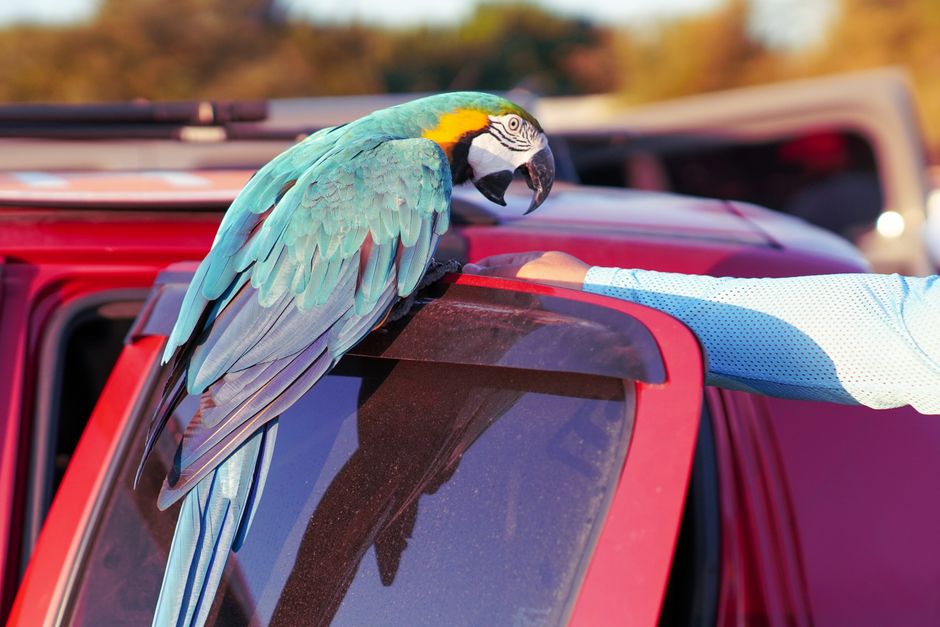
Traveling with a Bird: Safe Car Travel Guide
Traveling with a bird is entirely possible when you prepare the right carrier, secure your vehicle, and maintain a steady routine. To travel safely, pet parents must protect their bird from extreme cabin temperatures, sudden vehicle stops, drafts, and stress-induced panic during the trip.
Whether you are moving across the country or driving an hour to visit an avian veterinarian, taking a companion bird on the road requires extra care. Birds have delicate respiratory systems and high stress responses. With the right checklist, you can turn a potentially frightening trip into a calm journey for your feathered family member.
How Do You Prepare a Bird for Travel?
You prepare a bird for travel by getting them comfortable with their travel carrier several days or weeks before the trip begins. Place the open carrier near their main cage, fill it with favorite treats, and let your bird explore the space at their own pace.
Sudden changes frighten birds easily. If you force your pet into an unfamiliar box on the morning of a trip, their stress levels will skyrocket before you even start the engine. Introduce the carrier during calm play sessions outside the cage. Let your bird climb in and out while offering verbal praise and head scratches.
Take practice drives around the neighborhood before embarking on a longer journey. A quick five-minute drive helps your bird get used to the vibration of the car, engine noise, and turning sensations. Gradually increase the drive time to build their confidence.
Choosing the Right Travel Carrier
The safest carrier for car travel is a sturdy, well-ventilated carrier specifically designed for small animals or birds. Avoid wire cages that allow wings to slip through the bars during a sudden bump. Rigid plastic carriers or hard-sided acrylic bird travel carriers provide superior protection against sudden movement.
Make sure the carrier allows your bird to stand comfortably without their tail feathers dragging against the floor. A cockatiel or small conure needs room to turn around, while larger parrots need specialized carriers with bolt-on perches. If your bird is already dealing with heavy feather drop, check our guide on how often do cockatiels molt so you do not mistake seasonal feather loss for travel-related stress.
How Should You Set Up the Carrier for the Car?
You should set up the carrier by installing a secure, low-mounted perch, lining the bottom with absorbent paper, and removing any loose hanging toys that could swing and cause injury. Secure the carrier onto the back seat of the car using the vehicle seatbelt.
A low perch is essential because high perches put your bird at risk of falling when your vehicle turns or brakes. Wrap the perch with textured vet wrap or choose natural wood to give your pet a firm, non-slip grip. Never use slippery plastic perches inside a moving vehicle.
Line the floor of the carrier with plain paper towels or cage liner sheets. Avoid wood shavings or corn cob bedding, which can kick up fine dust inside the enclosed vehicle. Plain paper also allows you to quickly inspect droppings during rest stops to monitor your bird's digestive health.
Before you place the carrier in the car, pack the following essential travel supplies:
- A fitted light sheet or towel to drape over the carrier to block startling roadside visual triggers.
- A clean spray bottle with fresh water for light misting if cabin air gets dry.
- Two extra days of their normal pellet and seed diet kept in an airtight container.
- A basic bird first-aid kit containing styptic powder, cotton swabs, and vet wrap.
- Copies of your bird's health records, microchip information, and exotic vet contacts.
What Are the Biggest Road Hazards for Pet Birds?
The biggest road hazards for pet birds are dangerous temperature swings, loose placement in the vehicle, open windows, and airborne fumes. Birds have extremely sensitive lungs that react quickly to toxic fumes, tobacco smoke, and chemical air fresheners.
Never leave your bird in a parked car, even for five minutes. Vehicle interiors heat up or freeze rapidly, leading to fatal heatstroke or hypothermia. Always plan your rest stops so that someone stays with the bird, or carry the travel crate inside pet-friendly rest areas with you.
Turn off car air fresheners and avoid spraying perfume or sanitizer in the cabin. The bird's air sacs absorb airborne chemicals far faster than human lungs, making standard automotive fragrances dangerous. Keep air vents angled away from the carrier so cold or warm drafts do not blow directly onto your pet.
Always seatbelt the carrier in the rear seat rather than the front passenger seat. Front seats have active airbags that can crush a carrier if deployed during a minor accident. Run the car seatbelt through the carrier handle or around the main body to hold it firmly against the back seat rest.
How Do You Handle Food and Water on the Road?
You handle food and water by offering moisture-rich fruits and vegetables during the drive, and offering standing water bowls only when the car is completely parked. Open water bowls will spill instantly once the car starts moving, leaving your bird wet and chilled.
Provide pieces of cucumber, apple slices, grapes, or celery inside the carrier food cup while driving. These produce items give your bird hydration without creating a soggy mess on the carrier floor. Your bird can nibble on them whenever they feel thirsty between stops.
Plan to stop every two to three hours for rest breaks. During each stop, offer a small cup of fresh drinking water and monitor how much your pet drinks. Leave the car doors closed while opening the carrier door to refill food or water to eliminate any chance of accidental escape.
Keep their daily diet as normal as possible throughout the journey. Road trips are not the time to introduce new pellets, seeds, or treats. Consistent food prevents upset stomachs and keeps digestion normal during periods of minor travel anxiety.
What Should You Do When Arriving at Your Destination?
When you arrive at your destination, set up a secure temporary cage or keep your bird inside their travel carrier in a quiet, draft-free room before letting them adjust. Keep the room doors and windows closed before unlatching the carrier door.
Traveling with a bird requires patience at the end of the trip just as much as at the start. Your bird will likely need several hours of quiet rest to settle their nerves after absorbing the sensory input of highway travel. Offer familiar food, speak in gentle tones, and avoid handling them excessively until they show relaxed body language like preening or grinding their beak.
Check the destination room for hidden hazards before letting your bird out for free flight. Look out for open ceiling fans, unscreened windows, toxic houseplants, and open water sources like toilet bowls or glasses. If you stay in a hotel, confirm that housekeeping does not use harsh aerosol disinfectants or non-stick heating appliances nearby.
As a welfare reminder, always consult an exotic-animal veterinarian before planning an extended trip across state lines. Some jurisdictions require health certificates, and your veterinarian can confirm whether your companion bird is physically healthy enough for long-distance travel.
Final Thoughts
Successful travel comes down to good planning, quiet patience, and keeping your pet comfortable every mile of the drive. When you take the time to prepare properly, traveling with a bird can be a smooth, rewarding adventure that keeps your pet safe and healthy. Explore more RarePetCare guides to discover expert advice on avian nutrition, habitat safety, and everyday companion bird care.
Frequently Asked Questions
Can pet birds get car sick?
Yes, birds can experience motion sickness from road vibration and movement. Covering three sides of their carrier with a light cloth helps reduce dizziness and motion stress.
How long can a bird stay in a travel carrier?
A bird can safely stay in a carrier for several hours at a time, provided you stop every two to three hours for water and comfort checks. For overnight trips, transfer them to a larger travel cage once you reach your lodging.
Should I cover my bird's carrier in the car?
Covering the back and sides of the carrier with a light, breathable towel reduces visual stress from passing traffic. Always leave the front uncovered to allow adequate airflow and light.
Can I let my bird out inside the car while driving?
Never let a bird out of their carrier inside a moving vehicle. A loose bird can startle, obstruct the driver's view, become trapped under pedals, or fly out an open door during an emergency.
Explore More Birds Guides
 🦜Birds
How Often Do Cockatiels Molt? Feather Care Guide
Discover how often cockatiels molt, what triggers indoor molts, and practical ways to keep your feathered friend comfortable and healthy.
 🦜Birds
How Far Can a Lost Parrot Fly? Distance and Survival
Discover how far a lost parrot can fly after escaping and learn practical recovery steps to bring your feathered family member home safely.
 🦜Birds
Cockatiel Night Frights: Causes and How to Stop Them
Discover why cockatiel night frights happen, how to calm your bird fast, and easy nighttime cage adjustments to prevent future panic.