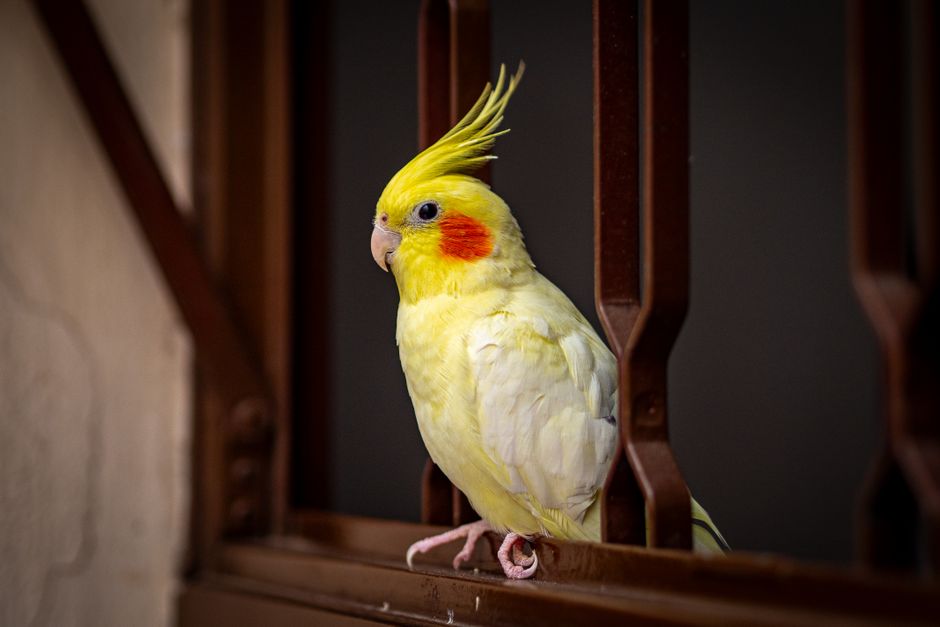
How Often Do Cockatiels Molt? Feather Care Guide
Finding a pile of gray and yellow feathers at the bottom of your bird's cage can easily trigger a moment of panic. Understanding how often do cockatiels molt helps you separate normal, healthy feather replacement from stress or health trouble. Most healthy cockatiels molt once or twice per year, shedding old worn feathers to make room for fresh plumage. While they drop occasional loose down feathers every single week during grooming, a true molt is a planned biological cycle that lasts several weeks and replaces flight, tail, and body feathers gradually.
Feathers take a tremendous amount of energy to build. When your pet begins this cycle, their mood, energy level, and daily nutritional needs will shift noticeably. Learning what to expect keeps both you and your companion calm throughout the process.
How Often Do Cockatiels Molt in a Normal Year?
Adult cockatiels generally go through one to two complete molts each year, most commonly in the spring and late autumn. These seasonal shifts align with natural temperature changes and varying daylight hours in their native habitats. A single molting cycle typically lasts between six and ten weeks, replacing old plumage without leaving your bird flightless or bare.
Age plays an important role in this schedule. Young chicks do not experience a heavy molt right away. A baby cockatiel keeps its initial juvenile plumage until it reaches roughly six to twelve months of age. During this first big molt, young birds shed their duller baby feathers, and males often reveal their distinctive bright yellow face masks for the first time.
Wild cockatiels follow strict environmental cues to drop feathers once breeding season ends. Because domestic life provides consistent food and warmth, indoor pets do not always follow an exact calendar schedule. As long as your pet drops feathers evenly across both sides of their body, once or twice a year is standard.
Heavy Molt vs Normal Feather Loss: What Is the Difference?
A heavy molt involves systematic, symmetrical feather shedding across the wings, tail, and crest paired with new pinfeather growth, whereas daily feather loss is just loose down shedding from normal preening. You should never see bare skin during a normal molting cycle. The body sheds feathers in balanced pairs so the bird retains its ability to fly and stay warm.
During daily maintenance, birds pull away old, disconnected down feathers. These fluffy white tufts float around the cage constantly and require no special intervention. In contrast, a heavy molt leaves long primary wing quills and large tail feathers on the cage floor over several consecutive weeks.
What Pinfeathers Look and Feel Like
As old feathers drop out, new ones push through the skin inside hard protective keratin sheaths called pinfeathers. These sheaths contain an active blood supply to nourish the growing feather, making them look dark or pink near the base. They feel like stiff, prickly plastic straws against the skin.
Because growing pinfeathers have living tissue and nerves inside, they are very sensitive to the touch. Your cockatiel may hiss or snap if you pet a tender pinfeather before the sheath dries out. Once the feather finishes growing, the blood recedes, and the bird breaks the brittle white sheath apart through daily grooming.
Why Indoor Cockatiels Molt More Frequently
Indoor cockatiels often molt three or more times a year because artificial lighting and climate control scramble their internal seasonal clocks. When living rooms stay brightly lit late into the evening, a bird's endocrine system receives signals that summer daylight is continuous, triggering irregular feather replacement.
Central heating in the winter and air conditioning in the summer create flat indoor temperatures. Without the gentle cues of warming spring air or crisp autumn breezes, a pet bird's body struggles to regulate its molting clock. This constant climate stability can lead to mini-molts that feel like they never truly end.
Dry indoor air also dries out the skin, irritating emerging quills. Establishing a consistent sleep schedule can reduce this artificial stress. Covering your bird's cage at the same time each evening provides complete darkness and helps stabilize hormones. Consistent routines also prevent sudden sleep disturbances, which is useful if your bird already deals with issues like cockatiel night frights.
How to Support Your Cockatiel During a Molting Cycle
Supporting a molting cockatiel requires increasing dietary protein, offering extra moisture for their skin, and providing ten to twelve hours of quiet sleep each night. Growing hundreds of new feathers drains a bird's energy reserves, leaving them unusually sleepy, cranky, or quiet.
Feathers consist almost entirely of keratin, which is a fibrous structural protein. A standard seed-only diet does not provide sufficient amino acids or trace minerals to produce strong, smooth plumage. Offer small portions of hard-boiled egg, sprouted seeds, and dark leafy greens alongside a high-quality formulated pellet. As a welfare note, always consult an exotic-animal veterinarian if your bird struggles to regrow plumage or shows extreme lethargy.
Practical Ways to Soothe Itchy Skin
New quills pushing through the skin cause intense itchiness that leaves birds scratching repeatedly with their claws. You can make this stage much easier by using a few simple daily habits:
- Offer a shallow dish of lukewarm water or use a clean plant mister to give your bird a gentle daily shower.
- Gently rub the dry, powdery sheaths on top of their head and crest using your thumb and forefinger, but only if your bird asks for head scratches.
- Avoid touching dark, blood-filled pinfeathers, which remain painful until the blood supply dries completely.
- Keep flight trims off your bird's schedule until the molt ends, as trimmed growing feathers can bleed easily if bumped.
Remember that even during a heavy molt, birds retain enough primary feathers to take flight unexpectedly. Never take a molting bird outside without a secure carrier, because understanding how far can a lost parrot fly shows that even tired birds can travel miles on an accidental outdoor gust.
When Feather Loss Signals an Illness
Feather loss signals an underlying health issue when bare patches of skin appear, bleeding occurs around broken quills, or feather loss is completely asymmetrical. Normal molts never create bald spots on the chest, back, or wings. If skin looks red, scaly, or raw, the cause is likely medical rather than seasonal.
Feather destructive behavior, often called plucking, differs sharply from a regular molt. Molting birds shed whole feathers naturally from the root sheath. Plucking birds snap off shafts, chew quill tips into frayed splinters, or deliberately rip feathers out while screaming. Behavioral stress, boredom, poor diet, and internal parasites can all trigger plucking.
A damaged growing pinfeather is another urgent situation. If a blood feather cracks or breaks open, it acts like an open straw and can bleed steadily. If this occurs, apply gentle pressure with bird-safe styptic powder or cornstarch and seek veterinary care promptly to stop the bleeding safely.
Final Thoughts
Keeping track of how often do cockatiels molt allows you to support your bird with proper nutrition, warm baths, and calm spaces right when they need it most. Watching for clean, paired feather loss and bright new plumage ensures your pet stays comfortable through every cycle. Explore our other RarePetCare guides to learn more about keeping your companion birds thriving year-round.
Frequently Asked Questions
How long does a cockatiel molt usually last?
A normal cockatiel molt lasts between six and ten weeks from the first dropped flight feather until the final pinfeathers open.
Do cockatiels get sick or grumpy while molting?
Cockatiels often become irritable, quiet, and sleepy during a molt because producing new feathers consumes substantial physical energy.
Can a cockatiel still fly while molting?
Yes, cockatiels shed flight feathers symmetrically in pairs so they retain balance and the ability to fly during a healthy molt.
What should I feed my cockatiel when it is molting?
Provide extra protein and minerals through small amounts of hard-boiled egg, sprouted seeds, dark leafy greens, and quality formulated pellets.
Explore More Birds Guides
 🦜Birds
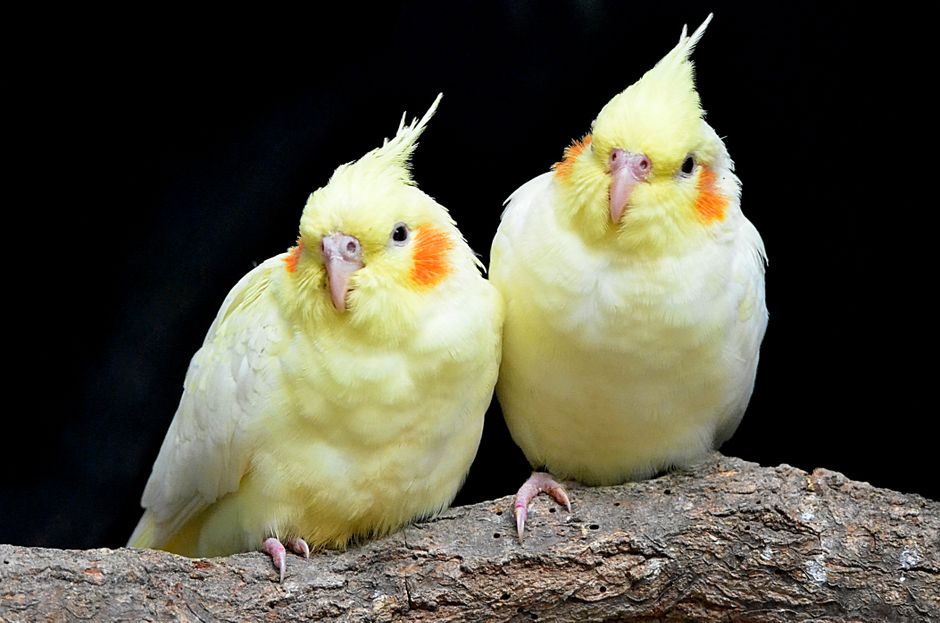
How to Bond with a Cockatiel: 5 Proven Steps
Discover how to bond with a cockatiel safely using patient body language, hand-feeding techniques, and daily trust-building routines.
 🦜Birds
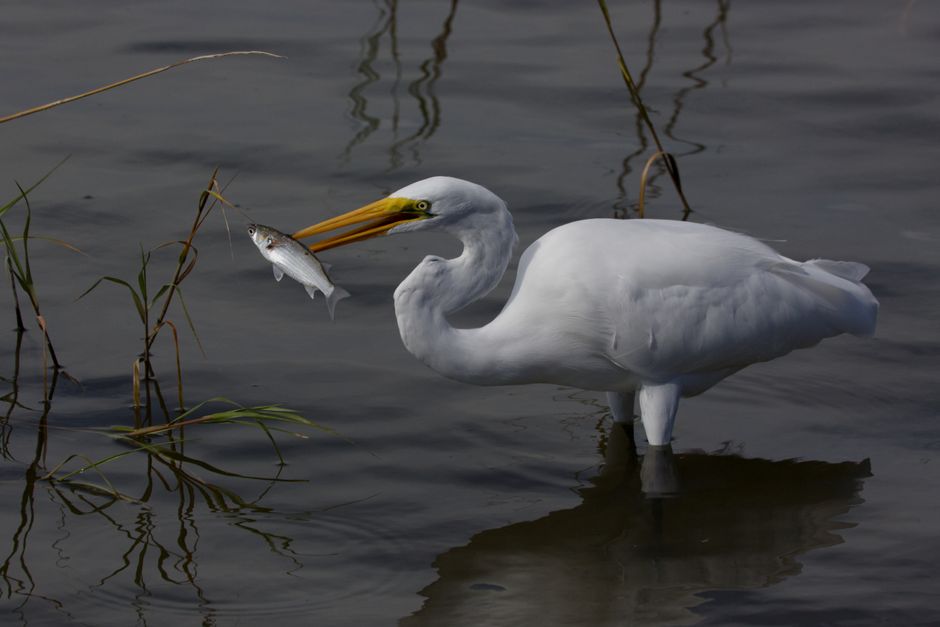
Great White Heron: Florida Hunting and Habits Guide
Discover how the great white heron hunts, nests, and thrives along Florida's coastline with this in-depth wildlife guide.
 🦜Birds
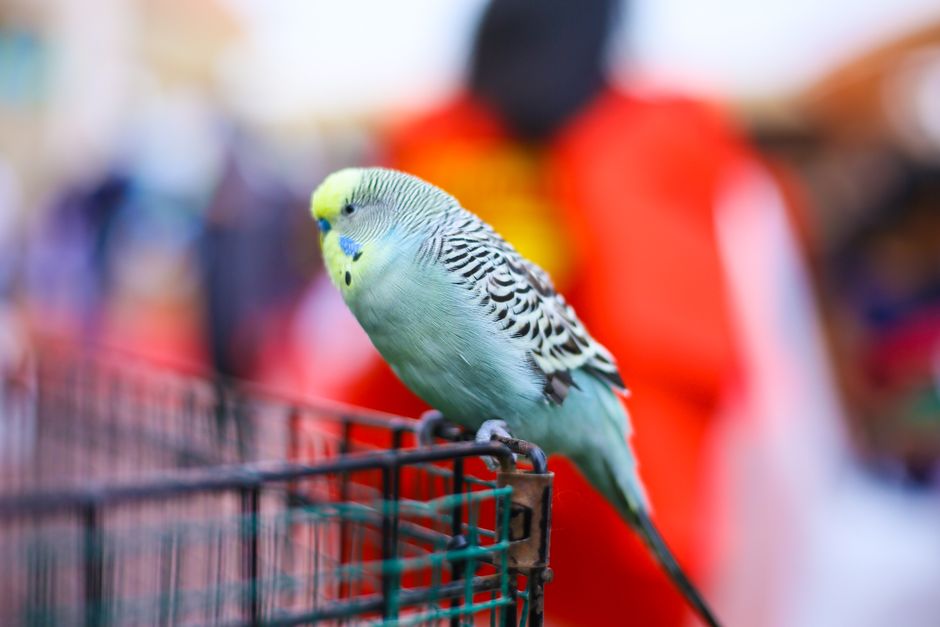
Why Is My Budgie Puffed Up? Causes and Next Steps
Discover why budgies puff up their feathers, how to tell relaxed behavior from illness, and what to do if your bird feels unwell.