Why Is My White's Tree Frog Turning Brown?
Finding your bright green pet suddenly dark can be alarming for any keeper. If you are asking why is my White's tree frog turning brown, the answer usually comes down to natural camouflage, humidity, light cycles, temperature, or mild environmental stress. White's tree frogs have specialized skin cells that expand and contract to change color quickly, meaning a shift to brown or muddy olive is often completely normal.
These friendly amphibians, often called dumpy tree frogs, are famous for their calm nature and soft colors. While a color change can sometimes signal a problem with your enclosure, it is frequently just your frog reacting to its surroundings. Here is how to understand what your pet is feeling and how to keep their habitat comfortable.
Why Is My White's Tree Frog Turning Brown?
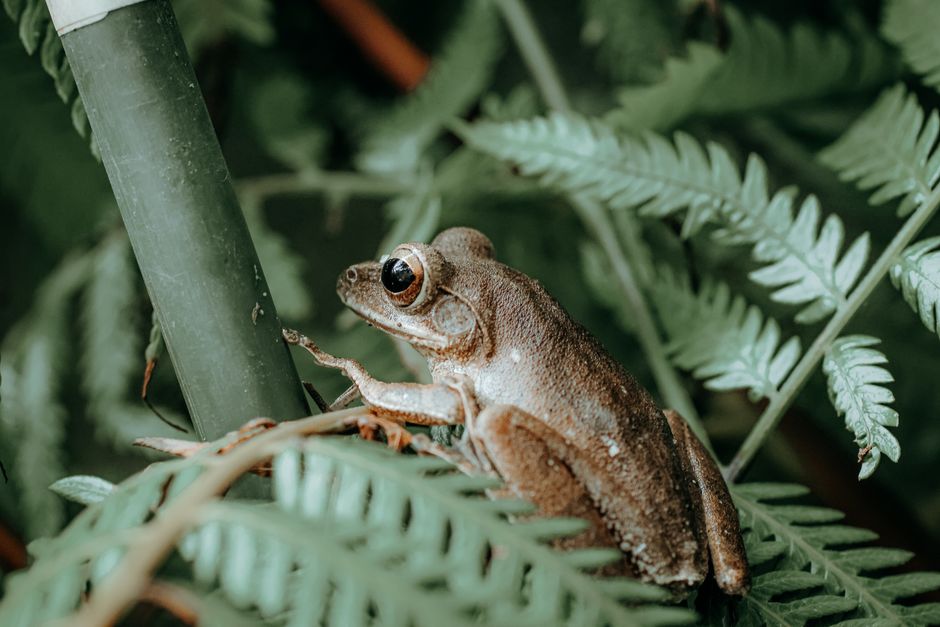
A White's tree frog turns brown primarily to match its environment, regulate body temperature, or react to lighting and humidity changes. Their skin contains specialized pigment cells called chromatophores that shift color based on background shades, light levels, and ambient moisture. In most cases, a brown frog is simply blending into a dark branch or resting during the daytime.
In the wild, these frogs spend hours sleeping on tree bark and thick branches. A green frog resting on dark brown wood would stand out to predators. By shifting to a deeper brown or olive shade, the frog stays hidden while it rests. Once night falls and your pet wakes up to explore, you may see that bright green shade return within minutes.
Temperature also plays a major role in color shifts. Darker colors absorb heat more efficiently than lighter shades. If the terrarium drops slightly below ideal room levels, your frog may darken its skin to soak up more warmth from basking spots or surrounding air. Checking your heat gradient with a reliable thermometer is the quickest way to rule out a chill.
Can Stress or Poor Enclosure Conditions Cause Darkening?
Yes, prolonged dark coloring often points to stress caused by incorrect humidity, dirty tank conditions, poor ventilation, or frequent handling. When a frog remains dark brown for several days without shifting back to green or soft teal, its habitat usually needs adjustment. An unhappy frog darkens as a physiological reaction to discomfort.
Moisture levels are one of the most common triggers. White's tree frogs need moderate humidity with distinct dry-out periods during the day. If the terrarium is kept soaking wet with stagnant air, your frog can become chronically stressed. On the other hand, extremely dry air can also cause discomfort, leading the frog to darken and seek shelter in water bowls.
Poor water quality is another silent stressor. Amphibians drink and breathe through their delicate skin. If tap water contains chlorine, chloramines, or heavy metals, your frog absorbs those toxins directly. Always use a dependable amphibian-safe water conditioner and clean the water dish daily. A buildup of waste inside the enclosure creates ammonia fumes that irritate skin and darken color rapidly.
Signs Your Frog Is Stressed Rather Than Camouflaging
To tell the difference between healthy resting camouflage and true stress, look at your pet's overall behavior. A healthy brown frog remains alert when awake, has clear eyes, and maintains a plump, rounded body shape. Similar to how you might assess appetite when dealing with a Pacman frog not eating, watching your tree frog during feeding time gives you instant feedback on its comfort level.
Watch out for these clear warning signs that something in the tank needs your attention:
- Sitting soaking in the water dish for days without leaving.
- Refusing favorite feeder insects like crickets or roaches.
- Cloudy eyes, visible sores, or white discolored patches on the skin.
- Lethargy, limp limbs, or failing to climb to higher perches at night.
- Dull, rough skin that looks dry instead of smooth and supple.
How Lighting and Day-Night Cycles Affect Skin Color
Lighting directly influences your frog's skin tone because light exposure triggers hormonal signals that dictate pigment spread. White's tree frogs kept under bright, natural daylight bulbs often appear greener, while dim lighting or darkness prompts their skin to darken. A predictable day and night schedule keeps these hormone levels balanced.
Many keepers notice their frogs look deep brown every morning when the tank lights click on. This happens because the frog spent the night in total darkness. As the pet warms up under proper lighting, the skin pigment shifts back toward lighter tones. Providing twelve hours of gentle daylight followed by twelve hours of total darkness supports their internal body clock.
Low-level UVB lighting can also improve your frog's overall vitality and skin tone. While White's tree frogs can survive without strong UVB if given dietary supplements, gentle Ferguson zone 1 lighting supports natural calcium processing. It also encourages brighter daytime color patterns and promotes natural day-night behaviors.
Steps to Help a Stressed White's Tree Frog
The best way to help a stressed brown tree frog is to audit your enclosure parameters, eliminate handling, and provide clean, dechlorinated moisture. Start by verifying that your enclosure offers a warm basking area alongside a cooler retreat, allowing your pet to pick its own comfort zone. Reducing disturbances lets the frog settle down and regain its natural coloration.
Follow these practical care steps to optimize your setup:
- Check tank moisture with a digital hygrometer to ensure the tank dries out between light mistings.
- Provide ample climbing branches, fake or live broadleaf plants, and cork bark tubes for secure hiding.
- Wipe down soiled glass and spot-clean droppings every day to keep bacteria counts low.
- Switch to fresh, treated spring water or dechlorinated tap water in a wide, shallow soaking bowl.
- Limit handling to necessary health inspections, as oils and salts from human skin cause intense irritation to frogs.
Always research a species' full adult habitat needs before bringing one home, and arrange an exotic-animal veterinarian visit if color changes come with swelling or weight loss. Amphibian health issues can advance swiftly without professional medical support.
Final Thoughts
Understanding why is my White's tree frog turning brown usually comes down to watching their daily routine, checking habitat gauges, and letting them rest in peace. A temporary color shift is rarely an emergency, especially if your pet continues to hunt eagerly and climb active perches at night. Explore more RarePetCare guides to discover expert advice on keeping your exotic amphibians and reptiles healthy for years to come.
Frequently Asked Questions
How fast can a White's tree frog change color?
A White's tree frog can change its skin color between green, olive, and brown in as little as twenty minutes to an hour.
Can cold temperatures make a White's tree frog turn brown?
Yes, cooler temperatures cause the skin pigment cells to darken so the frog can absorb ambient heat and light more efficiently.
Is it normal for a White's tree frog to turn brown while sleeping?
Yes, White's tree frogs routinely darken to brown or mottled gray while sleeping during the day to match tree branches and bark.
Can handling turn my White's tree frog brown?
Yes, frequent handling stresses tree frogs and exposes their sensitive skin to oils, which often triggers an immediate shift to dark brown.
Explore More Amphibians Guides
 🐸Amphibians
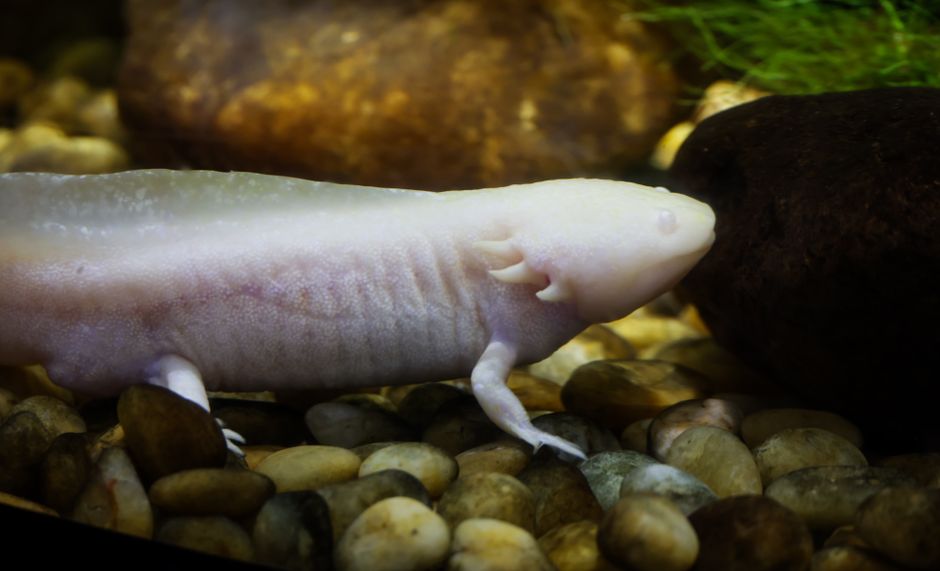
Hellbender Salamander Guide: Facts, Habitat, Care
Meet the hellbender salamander, North America's largest aquatic amphibian known as the snot otter, and discover why rivers need them.
 🐸Amphibians
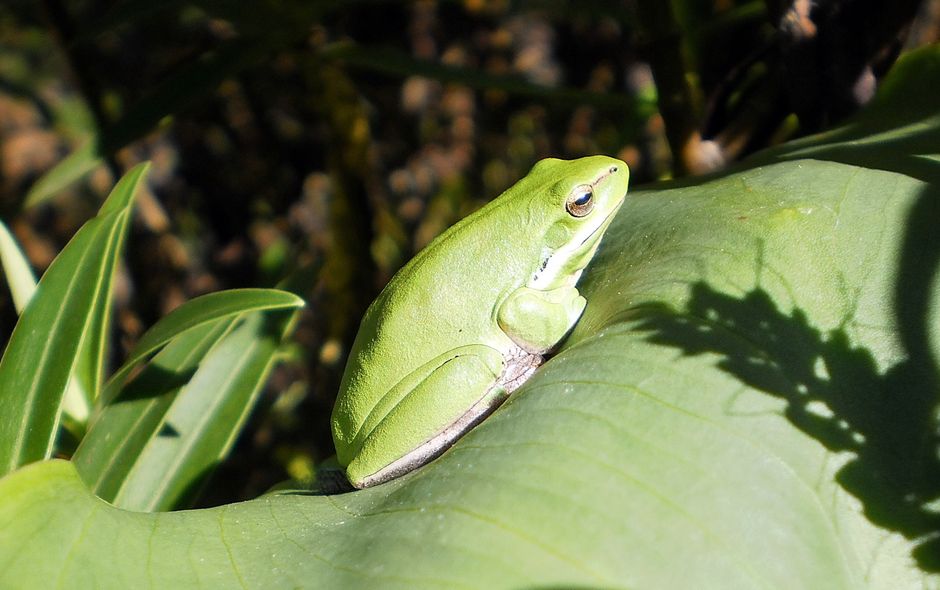
What Do White's Tree Frogs Eat? Complete Diet Guide
Discover the ideal feeder insects, safe portion sizes, and feeding schedules to keep your pet White's tree frog healthy and thriving.
 🐸Amphibians
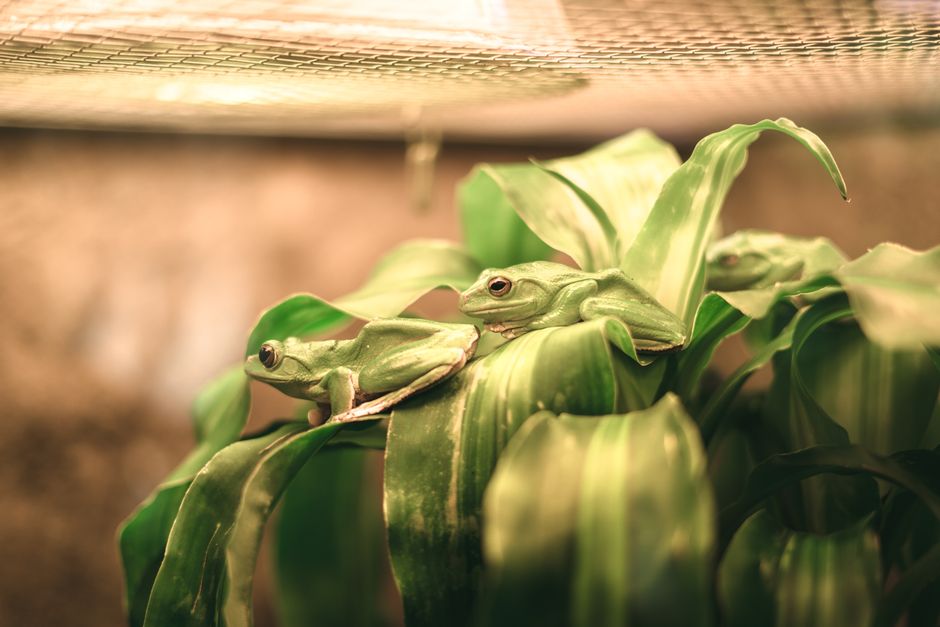
White's Tree Frog Habitat Setup: Beginner Guide
Build the ideal White's tree frog habitat setup with proper tank size, gentle heat, humidity control, and safe substrate choices.