Why Do Parrots Swear? Fixes and Flock Dynamics
Has your feathered companion blurted out a phrase that made your jaw drop? Many pet parents wonder why do parrots swear after hearing their pet repeat foul language with surprising accuracy. Parrots do not understand profane words, but they repeat them because humans react with intense emotion, laughter, and high energy whenever those phrases are spoken.
Understanding the social drivers behind parrot speech helps you reshape your bird's vocal habits. Whether you care for one companion at home or manage large sanctuary groups, guiding vocal behavior comes down to attention, environment, and social feedback.
Why Do Parrots Swear and Repeat Bad Words?
Parrots swear because they associate bad words with dramatic human responses, bright facial expressions, and loud laughter. Parrots do not comprehend the profane meaning of words, but they quickly learn that saying those phrases makes them the center of attention in any room.
In nature, birds use loud, distinct calls to mark territory and connect with their flock. When a human gasps, laughs, or shouts after hearing a curse word, the parrot perceives that reaction as an exciting flock response. High energy reactions reinforce the vocal habit faster than calm, quiet conversation.
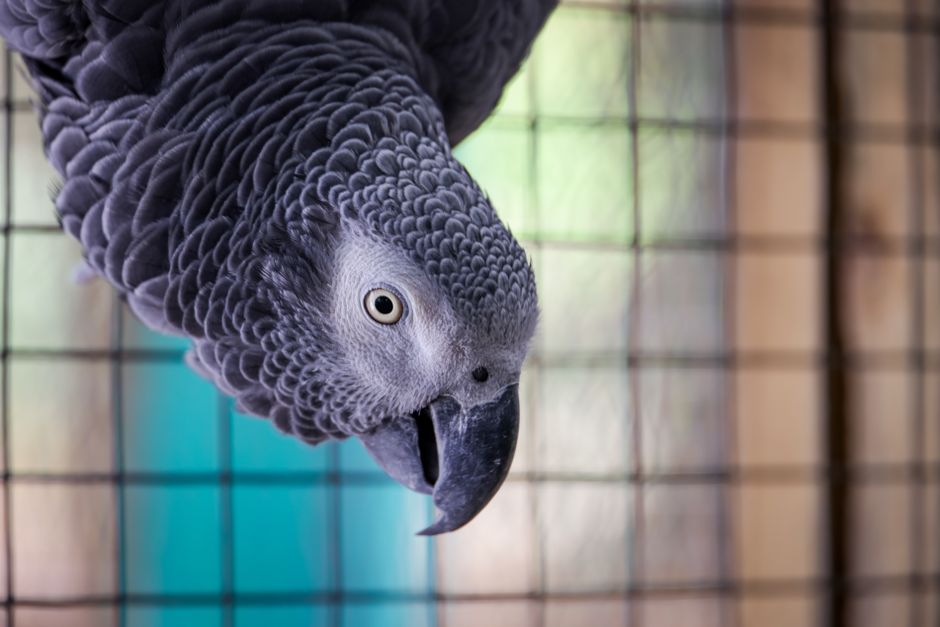
Intelligent species like African grey parrots excel at picking up vocal cues. They pay close attention to tone, volume, and emotional weight. A single angry outburst or sudden burst of laughter from an owner can fix a curse word in a parrot's memory for years.
Noise levels in your household also play a major role. If your home has frequent shouting, loud television programs, or dramatic noises, your bird will mimic those high arousal sounds. They choose words that trigger the biggest reaction from the people around them.
Can a Swearing Parrot Unlearn Bad Vocal Habits?
Yes, a swearing parrot can unlearn bad language if you ignore bad words completely and consistently reward positive sounds instead. Removing all emotional reactions starves the habit of the attention it requires to persist.
When a parrot realizes a phrase no longer gets a reaction, the word slowly fades from their active routine. This behavioral principle is called extinction. It takes time and strict consistency from every family member in the home.
How Positive Reinforcement Replaces Bad Words
Replacing unwanted phrases requires proactive retraining techniques. You must give your bird alternative words or whistles that earn praise and treats.
- Ignore bad language completely by turning your back or leaving the room without saying a word.
- Reward pleasant sounds, gentle chirps, and clear phrases immediately with treats or gentle praise.
- Teach your bird replacement sounds, such as a pleasant whistle or a simple greeting like hello.
- Keep daily training sessions short, focused, and enjoyable for your bird.
Behavior training requires patience and consistent daily effort. Just as you might study How to Stop a Parrot from Biting: Easy Guide, managing vocal issues relies on positive feedback rather than punishment. Shouting at a parrot only confirms to the bird that bad language generates exciting noise.
What Happened When a Park Added Swearing Parrots to a Flock?
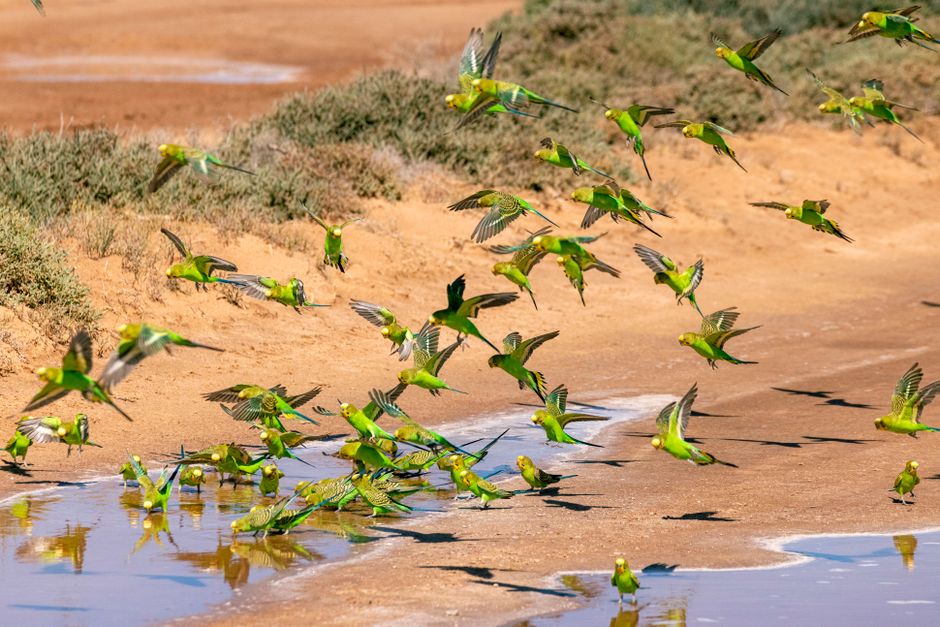
A wildlife park in Lincolnshire integrated eight swearing African grey parrots into a flock of over ninety birds to dilute their foul language. Park staff counted on flock dynamics to teach the eight birds natural avian calls rather than letting the bad habit spread to the rest of the group.
The decision came after the eight birds kept swearing at visitors and encouraging each other to make inappropriate noises. Housing the small group together had created an echo chamber where the birds kept reinforcing each other's bad habits. Breaking up that small group was essential for their long term rehabilitation.
By introducing the birds to a massive flock, the park shifted the social pressure. In a large group, birds naturally conform to the noises of the majority. Hearing dozens of other birds squawk, whistle, and communicate with normal parrot calls encourages the newcomers to copy those healthy sounds instead.
The Risks and Rewards of Social Learning in Parrots
Social learning is a powerful force in parrot behavior, but it carries clear risks when managing unwanted habits.
- Majority influence helps birds adopt standard flock calls over individual vocal quirks.
- Constant ambient noise from a large flock reduces the impact of isolated human reactions.
- There is a real risk that lower ranked flock members might copy bad phrases before newcomers adapt.
- Group size must be large enough to ensure healthy behaviors far outnumber bad habits.
When parrots live in a thriving flock, their primary focus shifts from human attention to avian interaction. This shift in focus is why outdoor sanctuaries and large aviaries can often reset behavioral issues that develop in human homes.
How Can You Stop Your Parrot From Swearing at Home?
You can stop your parrot from swearing at home by enforcing a total blackout on reactions to curse words while enriching your bird's daily environment. Every member of the household must agree to follow the exact same response rules.
First, analyze what happens right after your bird swears. If people laugh, look at the bird, or talk back, you are feeding the behavior. Step out of the room quietly whenever bad language occurs. Return only when your bird is quiet or making acceptable sounds.
Second, enrich your bird's living space with foraging toys, fresh branches, and adequate room to exercise. Bored birds are far more likely to repeat dramatic vocalizations to break up a dull day. Providing a proper setup with appropriate parrot cage sizes ensures your bird stays active and mentally engaged.
Third, establish clear health and wellness checks for your pet. If your bird suddenly changes its vocal patterns or shows signs of distress, consult an exotic-animal veterinarian for specific health guidance before assuming it is purely a behavioral issue.
Final Thoughts
Understanding why do parrots swear gives you the tools to guide your bird toward better vocal habits through patience and clear social feedback. Whether managing a single pet or observing a massive sanctuary flock, consistent responses and positive reinforcement make all the difference. Explore more of our pet guides on RarePetCare to keep your exotic companions happy and healthy.
Frequently Asked Questions
Do parrots know what swear words mean?
No, parrots do not understand the profane meaning of swear words. They repeat them solely because humans react to those words with high energy, volume, and emotion.
How long does it take for a parrot to stop swearing?
It can take several weeks to months of total non-reaction for a parrot to stop swearing. Consistency from everyone in the household is key to extinguishing the habit.
Can parrots teach each other swear words?
Yes, parrots learn vocalizations from each other through social learning. If a swearing parrot holds strong social influence in a group, other birds can pick up those phrases.
Should you squirt a swearing parrot with water?
No, you should never squirt a parrot with water or yell at them for swearing. Negative physical reactions cause fear, and yelling is often perceived by the bird as an exciting reward.
Explore More Birds Guides
 🦜Birds
Wild Parrots of San Francisco: Rescue and Urban Life
A wild red-masked parakeet was freed by firefighters in San Francisco, showing the unique challenges feral parrot flocks face in the city.
 🦜Birds
How to Bond with a Bird: Safe Steps for Pet Parents
Learn how to bond with a bird using gentle body language, predictable routines, and positive reinforcement to build lifelong trust.
 🦜Birds
How to Stop Parrot Screaming: Safe and Proven Fixes
Discover humane, practical strategies to calm a loud bird, eliminate attention shrieks, and restore peace to your home.