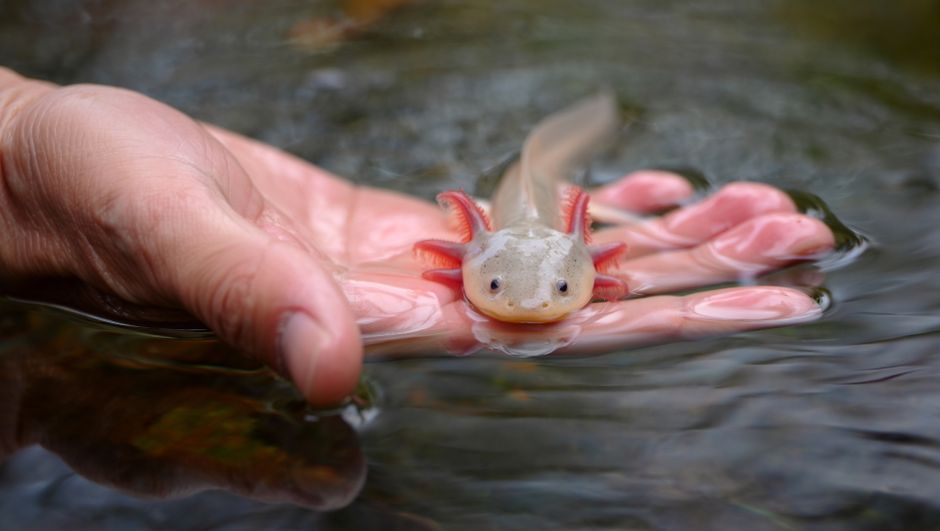
Why Is My Axolotl Floating? Causes and Fixes
Finding your aquatic pet bobbing helplessly near the water surface can make any pet parent panic. If you are asking why is my axolotl floating, the most common reason is swallowed air bubbles, trapped intestinal gas from digestion, or poor water quality creating buoyancy issues. In most cases, mild floating is temporary and resolves on its own, but persistent floating or tilting upside down requires prompt tank checks and care adjustments.
Axolotls naturally prefer staying near the bottom of their tank where they feel secure. When buoyancy problems strike, it can cause significant stress. Understanding what makes your salamander float helps you take the right corrective steps before minor discomfort turns into a serious health crisis.
Is Axolotl Floating Normal Behavior?
Axolotl floating can be completely normal when it is voluntary, brief, and under the animal's active control. Many healthy axolotls will swim up to the surface, take a quick gulp of air with their rudimentary lungs, and hover near floating plants or hammock decorations for a few minutes before swimming back down to the substrate.
You can tell voluntary floating apart from a medical issue by watching how your pet moves. If your axolotl can easily swim down to the bottom and rest flat on the floor whenever it wants, there is usually no cause for alarm. It is only when the animal struggles to stay down, bobs back up like a cork, or drifts sideways that you are dealing with involuntary floating.
Common Causes of Involuntary Axolotl Floating
Involuntary floating happens when air or gas gets trapped inside the digestive tract, when water parameters cause systemic stress, or when an internal impaction prevents normal digestion. Identifying the underlying trigger is the fastest way to restore balance.
Swallowed Air Bubbles
Axolotls are known for their enthusiastic feeding response. When they snap at floating food pellets, surface worms, or even stray bubbles from an air stone, they often swallow large pockets of air. This swallowed air gathers in the stomach and acts like an internal float, lifting the pet toward the surface until they pass the bubble naturally through burping or digestion.
Digestive Gas and Constipation
Poorly digested food or mild constipation can generate excess gas in the gut. If you recently fed hard-to-digest items or if the water temperature has fluctuated, your axolotl may take longer to process its meal. The resulting fermentation produces trapped gas pockets that lift the tail or belly toward the water surface.
Substrate Impaction
If your axolotl accidentally swallows gravel, coarse sand, or small tank decorations, these foreign objects can block the digestive canal. This blockage stops waste from moving through, builds up trapped air, and leads to severe buoyancy problems. To learn more about how these unique creatures process their environment, check out our guide on amazing axolotl facts to better understand their natural anatomy.
Water Flow and Water Quality Stress
Excessive filter current can physically blow a light axolotl around the tank and push it toward the surface. High ammonia, high nitrite, or improper water parameters can also cause extreme stress, leading to lethargy and erratic swimming behavior that looks like floating. Always test your tank water immediately whenever you notice unusual posture.
How to Tell If Your Floating Axolotl Is in Distress
An axolotl in distress will exhibit physical signs such as forward-curled gills, a curved tail tip, floating upside down, or frantic paddling to reach the bottom. If your pet looks visibly exhausted, cannot right itself, or displays red skin irritation, immediate intervention is necessary.
Here are the key physical warning signs to watch for during your observation:
- Curled tail tip shaped like a hook, indicating high stress or poor water conditions.
- Gills pulled sharply forward toward the eyes rather than relaxed backward.
- Floating with the tail significantly higher than the head or floating fully belly-up.
- Skin redness, excessive slime coat shedding, or cloudy patches across the body.
- Refusal to eat combined with repeated, frantic attempts to swim downward.
Healthy axolotls that are simply relaxing will have fluffy, relaxed gills, an uncurled tail, and calm, rhythmic gill movements. They will not look frantic or tilted.
Step-by-Step Fixes for a Floating Axolotl
The best way to help a floating axolotl is to test and correct your water parameters, lower filter flow, reduce light and stress, and give the digestive tract time to clear on its own. Most minor gas issues resolve within twenty-four to forty-eight hours without aggressive handling.
Step 1: Test Your Water Parameters
Start by testing ammonia, nitrite, nitrate, and temperature with a reliable liquid test kit. Ammonia and nitrite must remain at zero, while nitrates should stay low. If your parameters are off, perform a clean, temperature-matched water change right away to remove toxic buildup.
Step 2: Reduce Water Current and Lighting
Axolotls thrive in calm, still water. If your filter creates a strong current, baffle the output using a spray bar, coarse aquarium sponge, or plastic diffuser. Dim the tank lights or turn them off completely, as low lighting helps calm an anxious, floating pet.
Step 3: Lower the Water Level Temporarily
If your pet is struggling against deep water, you can move them into a shallow hospital tub with pristine, dechlorinated water that is just deep enough to cover their body and gills. Shallow water allows their feet to touch the tub bottom easily, which reduces panic and prevents stress-induced thrashing while trapped gas works its way out.
Step 4: Hold Off on Feeding
Do not offer food while your axolotl is actively floating from suspected gas. Adding more food into an already bloated digestive tract can worsen gas pressure and make impaction far more dangerous. Wait until your pet has stayed on the tank floor for at least a full day before offering a small, soft meal such as a live earthworm.
When to Consult an Exotic Animal Veterinarian
You should consult an exotic-animal veterinarian if your axolotl continues floating involuntarily for more than three consecutive days, remains stuck upside down, or develops severe body swelling known as dropsy or edema. While rare, systemic bacterial infections and kidney failure can also cause fluid buildup that alters buoyancy.
Always research a species' full adult needs before purchasing, and establish a relationship with a qualified exotic vet before health emergencies happen. Professional medical care is essential if your pet cannot pass an impaction or shows signs of chronic infection.
Final Thoughts
Finding out why is my axolotl floating comes down to observing your pet's posture, checking water quality, and ruling out digestive gas or impaction. By keeping water calm, testing parameters regularly, and providing a quiet resting space, you can help your pet regain its balance quickly and safely. Explore more RarePetCare guides to learn practical tips for keeping your exotic aquatic pets happy and thriving.
Frequently Asked Questions
Can an axolotl burp out trapped air?
Yes, axolotls can release trapped air bubbles naturally through their mouth or pass gas through their cloaca over the course of a day or two.
Should I fridge my axolotl if it is floating?
Fridging is an extreme measure that should only be used as a last resort under veterinary guidance for severe impaction, not for routine mild floating.
Can cold water cause an axolotl to float?
Water that is within safe cool ranges will not cause floating, but sudden drastic temperature drops can slow digestion and lead to gas accumulation.
Is sand safe to prevent axolotl floating from impaction?
Fine aquarium sand is generally safe for adult axolotls, but small gravel and pebbles should never be used because they cause life-threatening intestinal blockages.
Explore More Amphibians Guides
 🐸Amphibians
Hellbender Salamander Guide: Facts, Habitat, Care
Meet the hellbender salamander, North America's largest aquatic amphibian known as the snot otter, and discover why rivers need them.
 🐸Amphibians
What Do White's Tree Frogs Eat? Complete Diet Guide
Discover the ideal feeder insects, safe portion sizes, and feeding schedules to keep your pet White's tree frog healthy and thriving.
 🐸Amphibians
White's Tree Frog Habitat Setup: Beginner Guide
Build the ideal White's tree frog habitat setup with proper tank size, gentle heat, humidity control, and safe substrate choices.