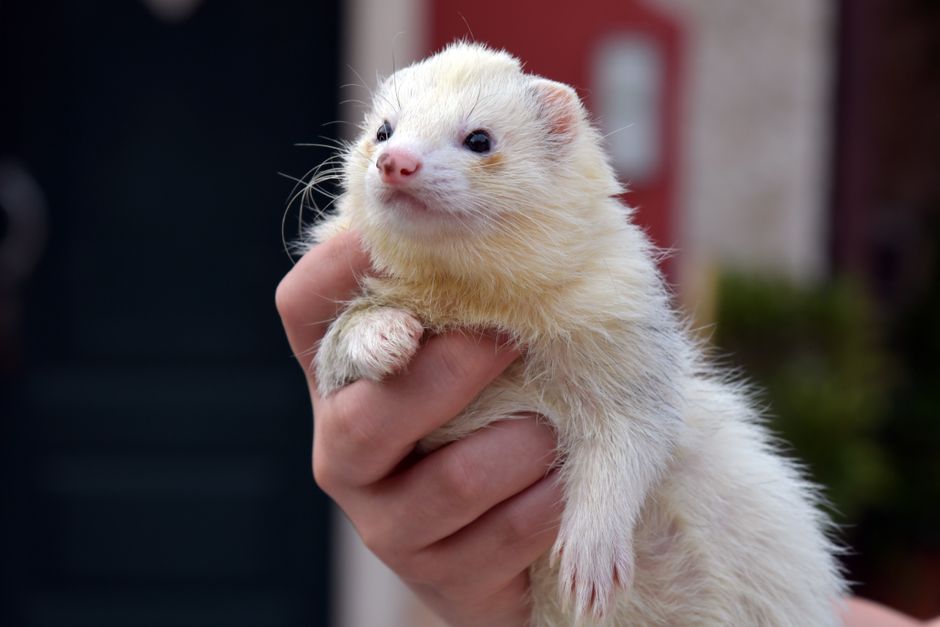
Why Is My Ferret Shaking? Causes and Care Guide
Seeing your ferret tremble can be alarming if you have never witnessed it before. A ferret shaking is often a completely harmless response to waking up, excitement, or a chilly room, but it can also signal an underlying medical issue like low blood sugar or nausea. Knowing how to read their body language helps you decide whether to let them play or call your veterinarian right away.
Ferrets have high metabolic rates and expressive bodies. Because they react quickly to their surroundings, small tremors are a regular part of daily life for many healthy pets. Still, you should always pay attention to the context of the behavior.
Why Is My Ferret Shaking When Waking Up?
A ferret shakes when waking up to raise its body temperature and jump-start its high metabolism after deep sleep. This waking tremor is entirely normal, lasts only a minute or two, and stops as soon as the ferret begins moving around.
Ferrets sleep deeply for up to eighteen hours a day. During these long resting periods, their body temperature and heart rate drop naturally. Shivering acts as a quick internal heater that warms their muscles before they start running and playing.
If your ferret wakes up, shivers for a brief moment, stretches, and then happily explores its cage, there is no need to worry. You can simply give them a moment to fully wake up before picking them up for playtime.
Excitement and Emotional Shaking in Ferrets
Ferrets frequently shake when they feel intense excitement, curiosity, or mild nervous tension during play. This emotional shivering is harmless and usually happens right before they pounce, explore a new room, or engage in a playful war dance.
When ferrets get stimulated by a new scent, a favorite toy, or a human friend coming home, their nervous system fires rapidly. This surge of energy often shows up as small vibrations through their torso and tail.
Signs of Happy Excitement
You can tell excitement apart from sickness by looking at your ferret's posture and behavior. A happy, excited ferret will show specific signs:
- Bouncing with an arched back and an open mouth during play
- Dooking, which is a soft chuckling noise ferrets make when happy
- Carrying toys around or inviting you to chase them across the floor
- Bright, wide eyes and an eager, alert body posture
On the other hand, fear can also trigger trembling. If your ferret is cornered, puffed up, or hissing, back away slowly. Give them space and quiet time to calm down on their own.
Medical Causes of Shaking in Ferrets
Medical causes of ferret shaking include hypoglycemia, insulinoma, pain, nausea, hypothermia, and high fevers. When trembling occurs alongside weakness, glassy eyes, drooling, or lethargy, it indicates a health problem that requires veterinary attention.
One of the most common medical reasons for shaking in middle-aged and older ferrets is insulinoma, a tumor on the pancreas that causes excess insulin production. This leads to dangerous drops in blood sugar. A ferret experiencing low blood sugar may shake, stumble on its back legs, drool, or paw at its mouth.
Nausea and stomach upset also make ferrets tremble. If your pet swallowed a piece of rubber, foam, or cloth, an intestinal blockage can cause sharp pain, vomiting, and full-body tremors. Much like how a reptile owner watches for trouble when a pet brings up food, which you can read about in our snake regurgitation guide, any sudden digestive distress in small pets demands swift care.
Environmental Factors: Is Your Ferret Cold or Wet?
Ferrets shake when their environment is too cold or when their fur remains wet after a bath. Because ferrets are sensitive to temperature shifts, wet or damp fur quickly pulls warmth from their small bodies and triggers shivering.
Keep your ferret's living area comfortable, away from open drafty windows, air conditioning vents, and damp basements. Provide plenty of soft fleece blankets, fabric sleep sacks, and enclosed hammocks where they can burrow and retain heat.
If you give your ferret a bath, dry them thoroughly with warm towels right away. Avoid bathing them too often anyway, since frequent baths strip their skin of natural oils and cause itchiness. A quick towel burrito wrap after any necessary wash keeps them warm and prevents post-bath shivering.
When Should You Take a Shaking Ferret to the Vet?
You should take a shaking ferret to an exotic vet immediately if the trembling is accompanied by lethargy, collapse, pawing at the mouth, pale gums, or seizures. Constant shaking that does not stop after a few minutes is always a red flag.
Before you bring a ferret into your home, always locate a qualified exotic-animal veterinarian nearby, as standard small animal clinics may not treat specialized mammalian pets. Researching the long-term healthcare needs of exotic species is an essential part of responsible pet ownership.
If you suspect a low blood sugar crash while waiting to reach the clinic, you can rub a tiny dab of honey or maple syrup directly onto their gums to temporarily lift their sugar levels. Follow up with a high-protein meal and get to the clinic right away for proper diagnosis and treatment.
Final Thoughts
Understanding why is my ferret shaking comes down to observing context, energy levels, and accompanying symptoms. Most waking shivers and playful twitches are completely natural parts of healthy ferret behavior. Keep learning about unique animal care across our guides to give every pet in your home the happiest life possible.
Frequently Asked Questions
Why does my ferret shake its back legs?
Ferrets often shake their back legs after waking up to stretch their muscles, but persistent hind-leg weakness or wobbling can be an early sign of insulinoma.
Can stress cause a ferret to tremble?
Yes, sudden loud noises, unfamiliar environments, or meeting new animals can cause temporary trembling from fear or stress.
How can I tell if my ferret is cold?
A cold ferret will shiver constantly, curl into a tight ball, and have noticeably cool paws and ears to the touch.
Is shaking during sleep normal for ferrets?
Yes, ferrets frequently twitch, shake, and move their paws during deep REM sleep while dreaming.
Explore More Small Mammals Guides
 🐹Small Mammals
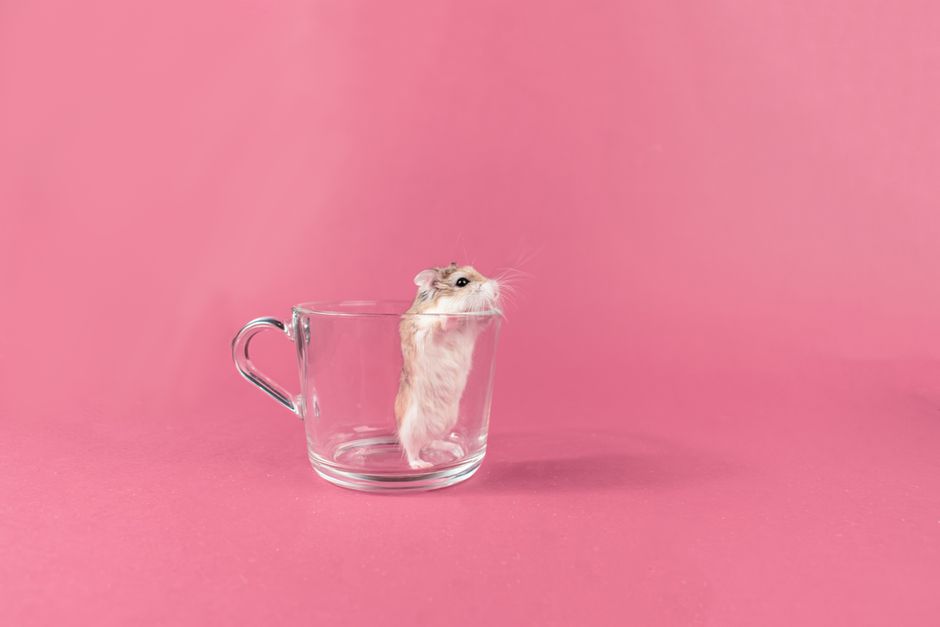
Can You Leave a Hamster Alone? Weekend Care Guide
Learn how long you can safely leave a hamster alone, what supplies to double-check, and when you really need a trusted pet sitter.
 🐹Small Mammals
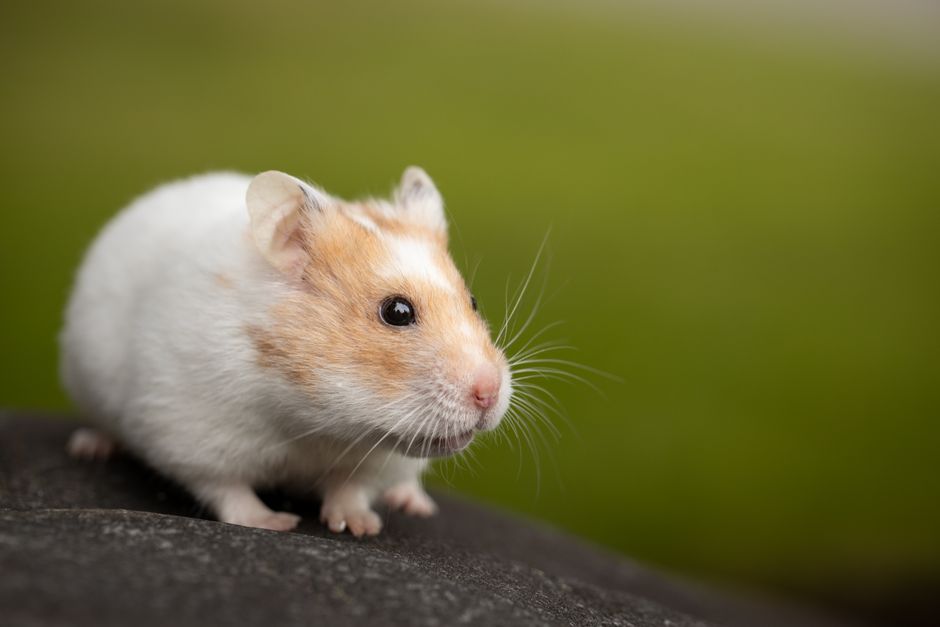
Hamster Care Guide: How to Raise a Happy Pet
Learn how to give your pet hamster the best life possible with our modern guide to cage setups, nutrition, and daily enrichment.
 🐹Small Mammals
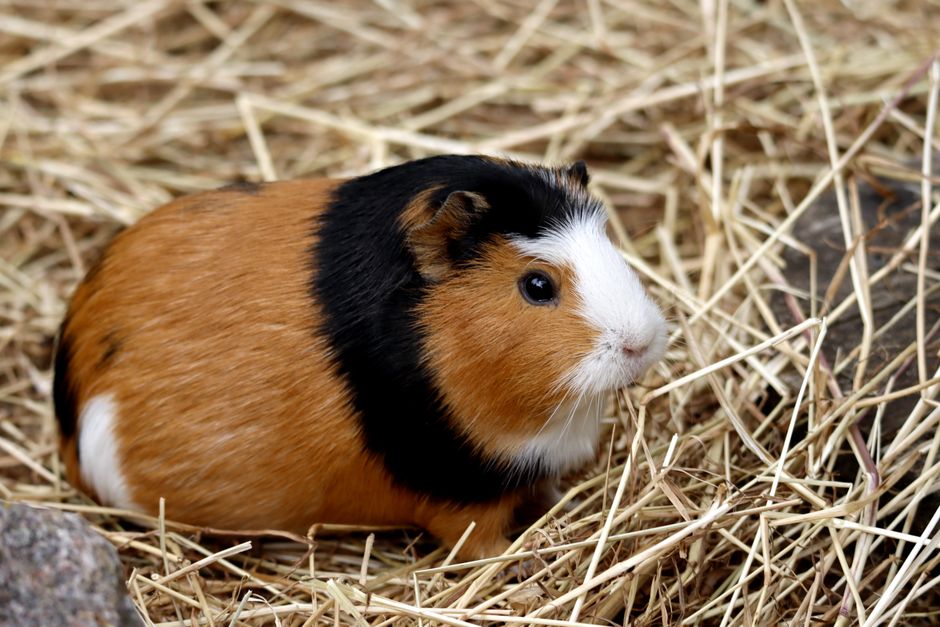
Why Do Guinea Pigs Squeak? Sound Guide
Learn why guinea pigs squeak, what different vocal sounds mean, and how to tell excitement from pain or fear.