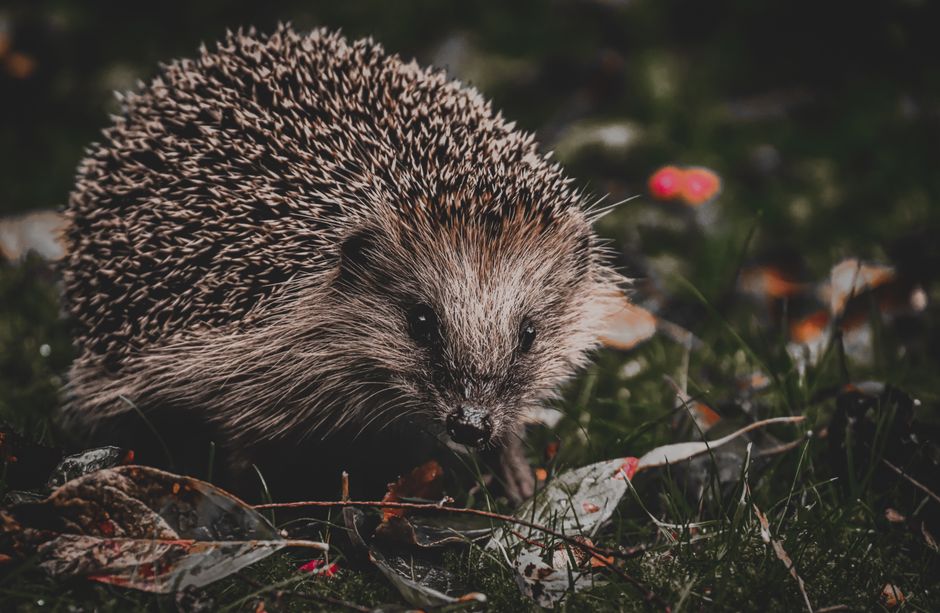
Why Is My Hedgehog Losing Quills? Key Causes
Finding loose spines in your pet's cage bedding can be alarming for any pet parent. If you are asking why is my hedgehog losing quills, the answer usually comes down to age, parasites, or environmental dry skin. A hedgehog losing quills is either going through a natural growth stage called quilling or experiencing skin irritation from mites, fungal infections, poor diet, or stress.
While losing a single quill occasionally is harmless shedding, bald patches and constant scratching are clear warning signs. Understanding what is happening on your pet's skin allows you to act quickly before small issues become painful infections.
Is It Normal for a Hedgehog to Lose Quills?
Minor quill loss is completely normal during specific developmental phases in young hedgehogs, but healthy adult hedgehogs should never lose quills in large amounts or show bare skin. Baby hedgehogs shed their softer juvenile spines and replace them with stronger adult quills as they grow.
An adult hedgehog drops a stray quill once in a while during normal grooming, very similar to human hair loss. However, you should never see dozens of quills on the cage floor each morning once your hedgehog reaches adulthood. If your adult hedgehog is shedding clusters of quills, an underlying health issue is almost certainly at play.
Understanding the Natural Quilling Stages
Young hedgehogs experience multiple rounds of quilling during their first year of life. The first phase begins when hoglets are just a few weeks old, shedding their birth spines for sturdier quills. Larger quilling cycles typically happen again around nine to twelve weeks of age, and sometimes once more around six months.
During a quilling phase, your hedgehog will likely feel grumpy and sensitive to touch. New quills pushing through the skin cause tender, itchy spots across their back. You can help your young hedgehog by handling them gently, avoiding sudden pressure on their back, and offering a warm oatmeal rinse to soothe their irritated skin.
What Causes Sudden Hedgehog Quill Loss in Adults?
Sudden hedgehog quill loss in adult hedgehogs is most commonly triggered by microscopic skin mites, fungal infections like ringworm, low cage humidity, or nutritional deficiencies. When the skin barrier is damaged, the follicle weakens and releases the quill prematurely.
Parasites are the leading medical reason for quill loss in adult hedgehogs. Mites burrow into the top layers of the skin, causing severe irritation and weakening the base of each spine. Left untreated, a mite infestation can spread across your pet's entire back, leading to crusted skin and extensive baldness.
Fungal issues such as ringworm also attack quill follicles. Fungi thrive in dirty bedding or damp cage environments, creating circular dry patches where quills snap off or fall out completely. Just like when pet parents monitor daily habits in other exotic species, such as observing how daily routine changes signal stress, watching your hedgehog's evening activity and grooming habits helps you catch skin problems early.
How to Tell the Difference Between Mites and Dry Skin
You can tell the difference between mites and dry skin by looking for bald patches and behavioral agitation, because mites cause intense scratching and quill loss while dry skin usually produces simple flakes without bare spots. Mites damage the root of the quill, whereas simple dryness simply leaves mild white flakes along the shoulders and ears.
Dry skin is common in captive hedgehogs, especially during winter months when indoor heating dries out the air. A hedgehog with dry skin might scratch occasionally, but their quills remain firmly anchored in the skin. In contrast, a hedgehog with mites will drop quills constantly, develop thick crusts around the quill bases, and show visible distress when touched.
Key Signs Your Hedgehog Needs an Exotic Vet
Skin conditions in small mammals can worsen rapidly without proper veterinary diagnosis. Contact an exotic-animal veterinarian if you notice any of these warning signs:
- Large bald patches where quills fail to grow back
- Tattered or crusty ear margins and flaky scabs along the skin
- Intense scratching, rubbing against cage accessories, or biting at the skin
- Loss of appetite, lethargy, or sudden weight drop
- Quills that fall out with crusty white buildup attached to the root bulb
How to Prevent and Soothe Hedgehog Quill Loss
You can prevent and soothe hedgehog quill loss by maintaining clean cage conditions, keeping your room warm and humid, feeding a balanced high-protein diet, and using gentle skin soothers during bath time. Consistent environmental care protects the skin barrier and keeps quill roots strong.
Start by checking your hedgehog's habitat temperature and bedding. Drafty rooms and dusty wood shavings strip natural oils from the skin, causing cracking and inflammation. Fleece liners and clean paper bedding provide a soft, dust-free surface that will not irritate sensitive bellies or catch on tender quills.
- Use a digital hygrometer to ensure habitat air is neither bone dry nor overly damp
- Offer balanced commercial hedgehog food supplemented with gut-loaded insects for essential fatty acids
- Give occasional lukewarm baths using plain water or a colloidal oatmeal rinse rather than harsh pet shampoos
- Wash all fleece liners and cage toys weekly using fragrance-free, hypoallergenic detergent
- Always consult an exotic veterinarian for prescription antiparasitic treatments rather than using over-the-counter flea drops made for cats or dogs
As an important welfare reminder, research your local veterinary options and emergency exotic clinics before bringing any small mammal home, because early treatment prevents unnecessary discomfort and long-term skin scarring.
Final Thoughts
Knowing why is my hedgehog losing quills gives you the power to tell the difference between normal juvenile growth and serious skin infections. By monitoring your pet's skin, maintaining clean bedding, and visiting a qualified exotic veterinarian for testing, you can keep your prickly companion happy and healthy. Explore our other RarePetCare guides to learn more practical care tips for small mammals and exotic pets.
Frequently Asked Questions
Do hedgehogs naturally lose their quills like fur?
Hedgehogs do not shed their entire coat of quills all at once, but dropping an occasional single quill during grooming is normal.
How long does baby hedgehog quilling usually last?
Each quilling stage typically lasts between one and three weeks, during which your young hedgehog may drop multiple spines and act cranky.
Can I use dog flea shampoo to treat my hedgehog for mites?
No, dog and cat flea shampoos contain chemicals that can be toxic or fatal to hedgehogs, so only use treatments prescribed by an exotic vet.
Will lost quills grow back after an infection is cured?
Yes, as long as the underlying follicle is not permanently scarred, quills will slowly regrow once the infection or mite issue is cleared.
Explore More Small Mammals Guides
 🐹Small Mammals
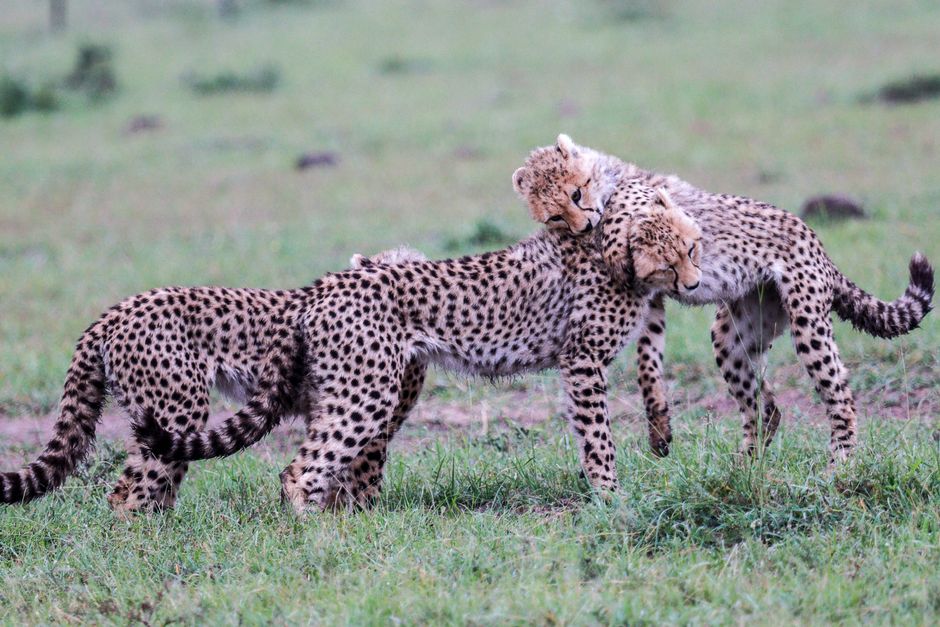
Why Do Big Cats Get Zoomies? Feline Play Explained
Discover why snow leopards and other big cats get the zoomies, and how this wild behavior mirrors our domestic companions.
 🐹Small Mammals
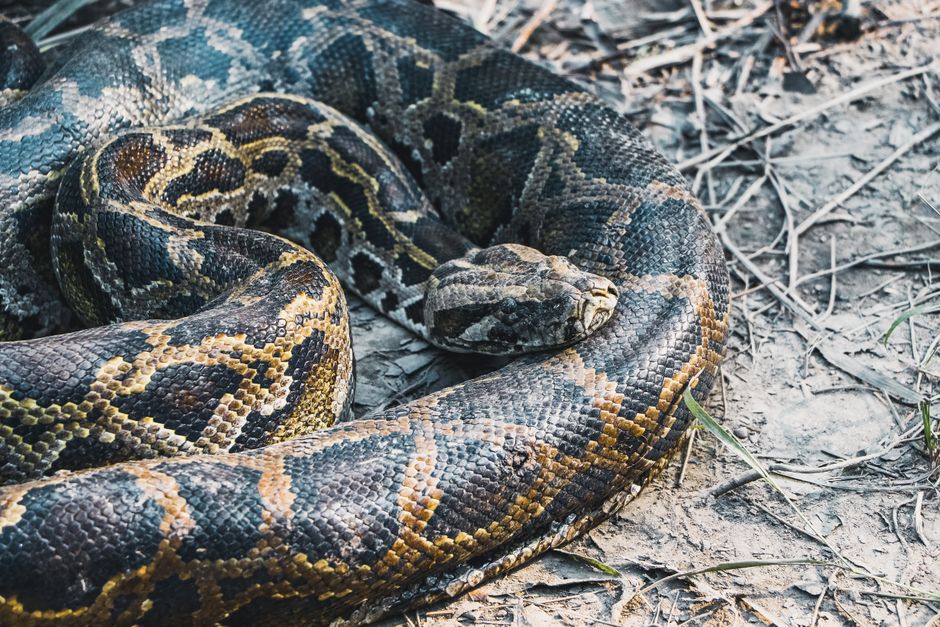
Mongoose vs Python: Can a Pack Beat a Giant Snake?
Discover what happens when a python attacks a mongoose and an entire family pack mobilizes to fight back.
 🐹Small Mammals
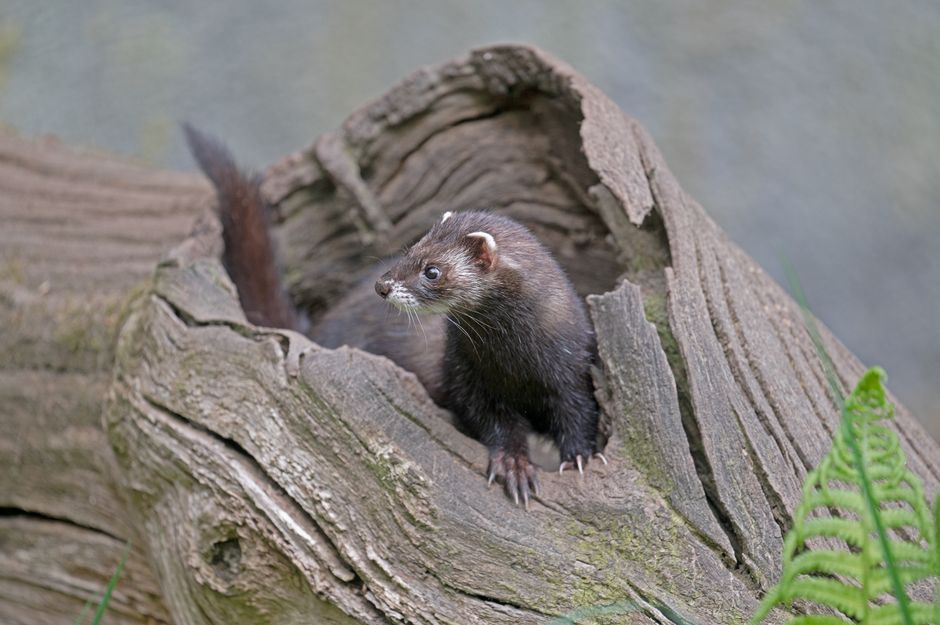
Why Do Ferrets Shake? Causes and What to Do
Discover why ferrets shake, from normal waking shivers and excitement to medical warning signs that need an exotic vet.