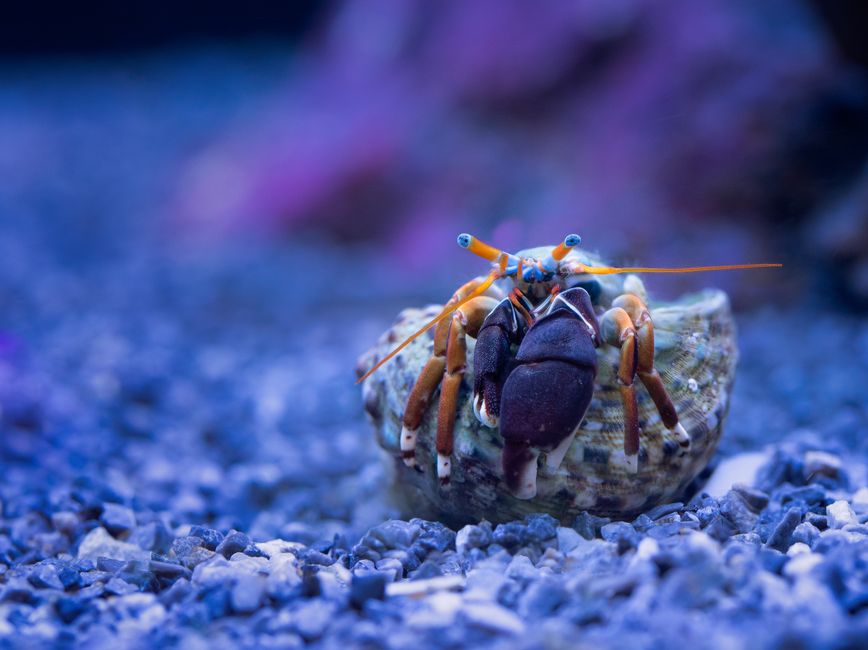
Why Is My Hermit Crab Leaving Its Shell?
Finding your pet walking around without its shell is an alarming sight for any keeper. A hermit crab leaving its shell is usually a sign of extreme stress, illness, poor habitat conditions, or shell fight conflicts with cage mates. Because their soft abdomens dry out quickly, a naked crab needs fast, gentle help to survive.
A hermit crab relies on a borrowed snail shell to protect its delicate rear body and retain vital moisture. When a crab abandons this armor, it leaves itself open to injury, dehydration, and suffocation. Understanding what triggered the behavior is the first step toward saving your pet.
What Causes a Hermit Crab Leaving Its Shell?
A hermit crab leaving its shell happens primarily due to environmental stress, unsuitable replacement shells, overheating, or severe weakness before a molt. In a proper setup, crabs rarely leave their protection unless they are actively switching into a better fit.
Substrate moisture and air humidity play huge roles in your pet's comfort. If the air in the enclosure gets too dry or too hot, a crab may exit its shell in an attempt to cool off. Similarly, if the enclosure lacks proper ventilation or sits near a drafty window, the fluctuating conditions can trigger panic.
Physical exhaustion from an upcoming or incomplete molt can also cause a crab to drop its shell. When a crab lacks the strength to carry its home, it may slip out simply because the weight becomes too much to handle.
Unsuitable Shell Options
Crabs are remarkably picky about their real estate. If the available spare shells are too heavy, too small, dirty, or the wrong opening shape, your crab may reject them all. Offering painted shells from souvenir shops can also poison or irritate your pet, prompting it to abandon the shell entirely.
What Should You Do Immediately for a Naked Hermit Crab?
You must isolate the naked hermit crab right away in a clean, humid container with a shallow dish of fresh water and several rinsed shells. Keeping the crab moist and away from other crabs prevents fatal dehydration and predatory attacks.
Follow these emergency steps to protect your crab:
- Gently scoop up the crab using a clean, non-metallic spoon or damp paper towel to support its soft abdomen.
- Place the crab into a separate, dark plastic container with a damp paper towel lining the bottom.
- Add two or three clean, boiled, and cooled shells that match the size of its old shell or are slightly larger.
- Add a tiny cap of dechlorinated freshwater nearby so the crab can drink without risk of drowning.
- Cover the container loosely to hold in humidity while allowing air exchange, and keep it in a warm, quiet room.
Leave the crab completely undisturbed in the dark for a few hours. In most mild cases, the dark, quiet isolation gives the crab the security it needs to slip back into a shell on its own.
How Do Environmental Problems Drive Crabs Out of Shells?
Incorrect tank humidity and temperature are the most common environmental triggers that drive a crab out of its home. Hermit crabs breathe through modified gills, so dry air makes breathing painful and eventually impossible.
If your crabitat dries out, the water stored inside the shell evaporates. The crab may abandon the shell because the dry interior creates friction and discomfort against its sensitive modified tail. Just as you might watch for unusual signs of stress like a crested gecko tail drop in reptiles, sudden behavioral shifts in invertebrates signal that their habitat parameters need immediate correction.
Overheating is another major factor. When heat lamps or heating pads make the tank interior too warm, crabs will ditch their shells to release trapped body heat. Regular checks with reliable digital gauges help you catch these swings before they harm your pets.
How to Choose the Right Shells for Your Hermit Crab
The right replacement shells must be natural, unpainted, fully cleaned, and shaped to match your specific hermit crab species. Different species prefer different opening shapes, such as round openings for purple pinchers or oval openings for Ecuadorian crabs.
Always provide at least three to five extra shells per crab in your main tank. This prevents shell fights between tank mates and guarantees every crab has room to grow after a molt. Before placing any new shells in the tank, boil them in dechlorinated water and let them cool completely.
Why Painted Shells Are Dangerous
Never offer commercial painted or decorated shells to your pets. The paint chips off, gets ingested, or emits harmful fumes in humid conditions, which frequently causes crabs to ditch their homes in distress.
How Can You Prevent This Issue in the Future?
You can prevent shell abandonment by keeping enclosure humidity consistently high, offering a balanced diet, and maintaining a deep substrate of sand and coconut fiber. A stable environment keeps your crab calm, hydrated, and strong.
Good nutrition also prevents the weakness that leads to dropped shells. Provide regular calcium sources, marine proteins, and fresh foods rather than relying solely on processed pellets. If you notice persistent lethargy, consult an exotic animal veterinarian or experienced invertebrate rescue for specific guidance on your pet's recovery.
Final Thoughts
Dealing with a hermit crab leaving its shell is stressful, but acting quickly to restore moisture and reduce stress can save your pet. Focus on gentle isolation, clean natural shells, and stable tank conditions to help your crab recover. Explore our other RarePetCare guides to learn more about keeping your exotic pets healthy and happy.
Frequently Asked Questions
Can a hermit crab survive without its shell?
A hermit crab cannot survive long without a shell because its soft abdomen dries out and its modified gills stop functioning. Without immediate help, a naked crab can die within a few hours to a day.
How long will a hermit crab stay out of its shell?
A healthy crab usually stays out of a shell for only a few seconds while switching into a new one. If your crab remains naked for longer than a few minutes, it is experiencing a medical or environmental emergency.
Should I force my hermit crab back into a shell?
You should never force a crab into a shell by pushing or pulling its body, as this can easily crush its fragile abdomen. Instead, place the crab gently in a dark, humid isolation tub with clean shells and let it move in naturally.
Why is my crab rejecting all its shells?
Your crab may reject its shells if they are the wrong opening shape, too heavy, dirty inside, or coated in toxic paint. Offer natural shells boiled in dechlorinated marine saltwater to make them more appealing.
Explore More Invertebrates Guides
 🕷️Invertebrates
Praying Mantis Not Eating? Key Causes and Fixes
Discover why your praying mantis is refusing food, how to spot premolt signs, and what you can do to get them eating safely again.
 🕷️Invertebrates
Why Is My Hermit Crab Buried? Key Reasons
Learn why hermit crabs bury themselves in the substrate, how to tell if they are molting, and why you should never dig them up.
 🕷️Invertebrates
Why Is My Tarantula on Its Back? Molting vs Dying
A tarantula on its back is almost always preparing to molt. Learn how to tell molting from illness and how to keep your pet safe.