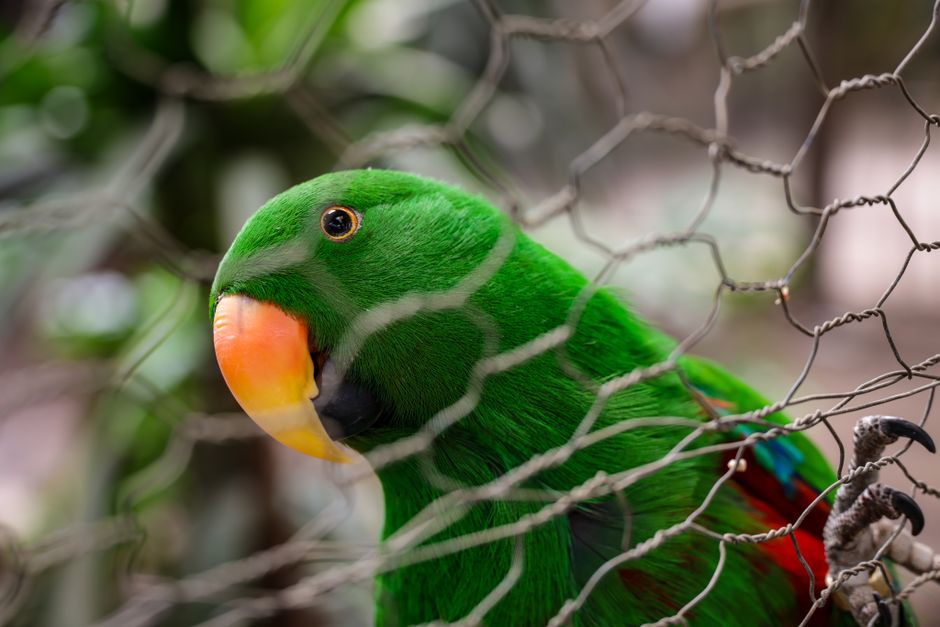
How to Stop Parrot Screaming: Safe and Proven Fixes
Living with a vocal companion can test your patience when normal chirps turn into ear-piercing shrieks throughout the day. To learn how to stop parrot screaming, pet parents must understand natural flock communication, eliminate unintentional rewards for loud outbursts, and reward quiet sounds consistently. With steady patience and predictable daily care, you can help your bird feel safe and relaxed without chaotic noise.
Why Do Parrots Scream in the First Place?
Parrots scream because vocalization is their primary tool for locating flock members, signaling safety at sunrise and sunset, and expressing excitement or fear. In the wild, a loud voice carries across dense jungle canopies to ensure the flock stays united and alert to predators.
In a home setting, your bird considers your family its flock. When you leave the room or fail to make eye contact, a loud shriek is often just a contact call meant to confirm where you are. If the bird gets no reply, or gets an anxious reaction, the volume naturally increases.
Boredom also drives excessive noise. Intelligent birds like conures, cockatoos, and macaws possess active minds that need continuous stimulation. Sitting in a barren cage with nothing to chew, forage, or explore leaves screaming as the bird's only outlet for excess energy.
Normal Vocalizations vs Problem Screaming
Pet parents should distinguish between natural flock calls and problem screaming. A five-minute burst of enthusiastic chatter, whistles, and squawks when the morning sun enters the room is normal avian behavior. The same applies to a short evening chorus as your bird settles in for roosting.
Problem screaming happens when outbursts continue for hours at a time, occur whenever you step out of sight, or happen late at night. This sustained screaming is an acquired behavior developed from boredom, stress, or learned attention-seeking habits.
How to Stop Parrot Screaming Using Routine and Environment
The most reliable method for how to stop parrot screaming involves setting a strict sleep schedule, offering daily foraging activities, and maintaining a calm physical environment. Parrots thrive on predictable structure, and eliminating environmental stressors reduces the urge to shriek.
Ensure your bird receives ten to twelve hours of unbroken darkness each night in a quiet room. Sleep deprivation makes parrots irritable, anxious, and prone to chronic vocal tantrums. Cover the cage with a breathable, opaque cloth at the exact same hour every evening to establish stability.
Before attempting behavioral training, schedule a health check with an exotic-animal veterinarian to confirm that physical illness, hormone surges, or hidden injuries are not causing distress. Physical discomfort from rough feather growth, similar to what happens during heavy shedding periods like those detailed in our guide on how often cockatiels molt, can also leave birds feeling touchy and vocal.
- Provide fresh wooden chew blocks, shredded paper, and clean cardboard daily to give active beaks destructive work.
- Rotate hanging toys every week so the cage layout remains novel and engaging.
- Hide favorite seeds and nut slivers inside paper cups or wrapped in cabbage leaves to simulate wild foraging.
- Position the cage against a solid wall rather than floating in an open hallway so your bird feels secure from surprise approaches.
- Keep the cage away from low windows where passing predatory hawks, stray cats, or delivery trucks can provoke panic.
What Should You Do When Your Parrot Starts Shrieking?
When your parrot screams for attention, you must completely withhold eye contact, vocal responses, and physical reactions until the bird stays silent for several consecutive seconds. Any immediate response you provide, even an angry reprimand, serves as positive reinforcement to an attention-seeking bird.
Parrots enjoy vocal drama. If you shout back, groan, or stomp over to the cage, your pet thinks you are happily joining in on a loud flock chorus. Walk out of sight the moment ear-splitting shrieking begins, stand calmly behind a door or wall, and wait for silence.
The second the screaming stops for five to ten seconds, return to the room with a calm smile, gentle praise, or a favored treat. Over repeated trials, your parrot learns an unmistakable equation: loud screams cause humans to vanish, while quiet calm brings affection and companionship.
Teaching an Alternative Contact Call
Extinguishing vocalizations entirely is impossible and unnatural, so teach your bird an acceptable alternative contact call. Choose a soft whistle, a two-note chime, or a friendly word like hello or peekaboo that fits comfortably into your household volume.
Whenever your bird uses this soft whistle while you are washing dishes in the kitchen, answer immediately with the same whistle. By rewarding polite vocal inquiries instantly and ignoring piercing screams entirely, your bird quickly adopts the softer call as its go-to tool for staying in touch.
Common Mistakes That Make Bird Screaming Worse
Common mistakes that worsen parrot screaming include yelling at the bird to be quiet, running over with emergency treats, and shaking or banging on the cage bars. These reactive behaviors reward the screaming or amplify the bird's underlying anxiety.
Another frequent mistake is using cage coverings as punishment during the middle of the day. A dark cover should only signify bedtime and security. If you throw a blanket over the cage whenever the bird screams, you turn a safe sleeping haven into a confusing and scary punishment zone.
Sudden disruptions in the household can also trigger acute stress, just like traveling with a bird requires careful preparation to prevent nervous distress calls. Avoiding common management errors creates a peaceful, trusting foundation.
- Never yell back at the bird, because loud voices confirm that noise generates flock participation.
- Avoid running over to drop a treat in the bowl just to silence an immediate phone call interruption.
- Do not isolate the bird in a distant basement or back closet, which only increases abandonment terror.
- Never hit, shake, or spray water at the bird, as fear permanently destroys your bond and increases defensive aggression.
Final Thoughts
Learning how to stop parrot screaming takes steady persistence, careful observation, and calm consistency from every member of your household. By meeting your pet's physical needs for sleep, mental puzzles, and affectionate contact calls, you can transform high-volume tantrums into peaceful companionship. Explore more RarePetCare guides to keep your feathered friend happy, enriched, and thriving every day.
Frequently Asked Questions
How long does it take to train a screaming parrot to be quiet?
Most birds show noticeable improvements within two to four weeks of consistent, zero-drama training and environmental enrichment. Older birds with years of learned screaming habits may require several months of steady patience.
Should I cover my parrot's cage when it screams during the day?
No, you should not cover the cage as daytime punishment because it creates confusion and fear around bedtime routines. Instead, ignore the bird and step out of sight until the screaming stops.
Can diet changes help reduce parrot screaming?
Yes, diets high in excess sugars and fats from all-seed mixes can fuel hyperactivity and hormonal spikes that worsen screaming. Switching to a balanced pellet and fresh vegetable diet under veterinary guidance helps regulate energy levels.
Why does my parrot scream louder when the television or vacuum is on?
Parrots naturally compete with ambient sound to ensure their flock hears them over background noise. When loud appliances or televisions run, speak calmly or play gentle music at a moderate volume to keep energy levels low.
Explore More Birds Guides
 🦜Birds
Traveling with a Bird: Safe Car Travel Guide
Learn how to prepare a secure travel carrier, manage car stress, and keep your bird safe on the road with this practical travel guide.
 🦜Birds
How Often Do Cockatiels Molt? Feather Care Guide
Discover how often cockatiels molt, what triggers indoor molts, and practical ways to keep your feathered friend comfortable and healthy.
 🦜Birds
How Far Can a Lost Parrot Fly? Distance and Survival
Discover how far a lost parrot can fly after escaping and learn practical recovery steps to bring your feathered family member home safely.