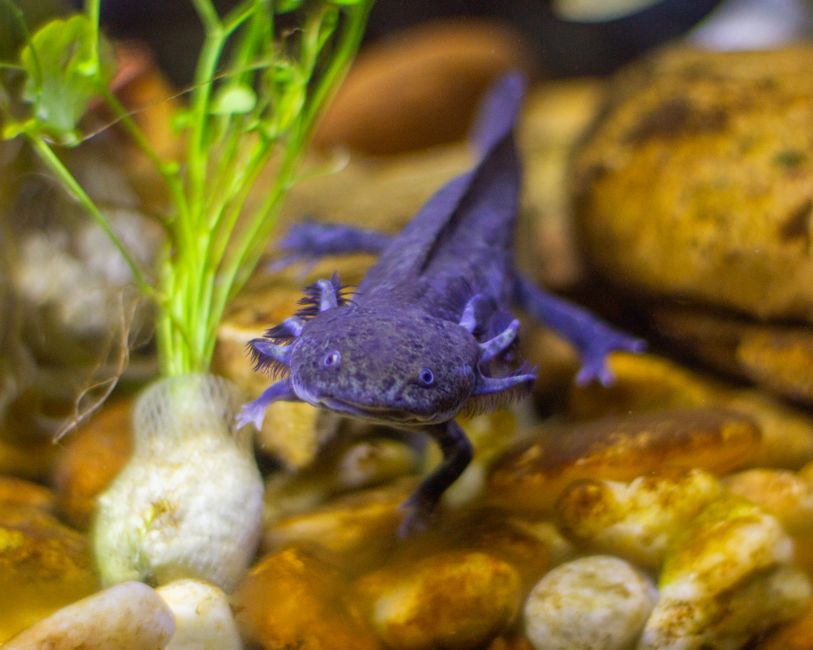
Axolotl Care for Beginners: Complete Starter Guide
Axolotls are unique aquatic amphibians that have captured the hearts of pet parents everywhere. If you want to welcome one into your home, understanding axolotl care for beginners is the first step toward keeping your new friend healthy and comfortable. This guide breaks down everything you need to know about setting up an aquarium, cycling water, feeding, and daily maintenance.
What Do You Need for an Axolotl Tank Setup?
An ideal axolotl tank setup requires a glass aquarium, a low-flow water filter, clean conditioned water, and a secure screen lid. Axolotls produce a substantial amount of waste, so having reliable filtration is essential for maintaining clean conditions. A larger aquarium gives your pet plenty of floor space to walk around and helps keep water parameters stable over time. Always secure the top of the tank with a tight cover, because axolotls can occasionally jump when startled.
Choosing the right substrate is another critical choice for your pet's safety. Fine aquarium sand or a completely bare bottom tank works best because axolotls feed by sucking water and food into their mouth. Never use gravel, small pebbles, or large stones that fit in their mouth. These small items cause severe digestive blockages when swallowed by accident.
Axolotls lack eyelids, which makes them sensitive to bright ambient lighting. You should provide several smooth hiding places in the tank where your pet can rest away from bright light. Dark ceramic hideouts, clean terra cotta pots, or smooth artificial caves make great resting spots for your aquatic pet.
Why Is Low Water Flow Important?
Axolotls originate from slow-moving lake systems and dislike strong water currents. High water flow stresses your pet and can cause their feathery gills to curl forward unnaturally. You can reduce filter flow by using a spray bar, attaching a sponge over the outflow, or choosing a gentle sponge filter powered by an air pump.
How Do You Cycle an Axolotl Tank Before Buying?
Cycling an aquarium means establishing beneficial bacteria that convert toxic waste into harmless compounds before you bring your pet home. Axolotls produce waste that quickly turns into harmful ammonia in the water. Beneficial bacteria grow inside your filter media to process ammonia into nitrite, and then into less harmful nitrate.
You should complete the biological cycling process before adding your axolotl to the aquarium. This process usually takes several weeks of adding a nitrogen source and testing the water regularly with a liquid test kit. Adding an axolotl to an uncycled tank exposes them to toxic ammonia spikes, which cause skin burns and gill damage.
Testing your tank water regularly helps you track chemical levels accurately. Once your test kit shows zero ammonia, zero nitrite, and a low level of nitrate, your biological filter is ready for your pet.
What Do Axolotls Eat and How Often Should You Feed Them?
Pet axolotls thrive on a carnivore diet consisting of live earthworms, nightcrawlers, and specially formulated axolotl pellets. Growing young axolotls need food every day because their body is expanding rapidly, while adult axolotls usually eat every two to three days. Always offer food items that are soft, easily digestible, and sized appropriately for your pet.
Earthworms are widely considered the gold standard of axolotl nutrition. They offer complete nutrition and are easy for your pet to digest. You can cut larger worms into smaller pieces if you have a young animal.
Here are the safest food options for a healthy axolotl:
- Rinsed live earthworms and nightcrawlers cut to appropriate size
- Sinking high-protein axolotl or carnivore pellets
- Frozen bloodworm cubes as an occasional treat for younger pets
- Frozen brine shrimp for small juvenile axolotls
Avoid feeding live feeder fish to your axolotl. Feeder fish often carry internal parasites and can nip at the fragile, feathery gills of your pet. Always use feeding tongs or a long dropper to drop food directly in front of your pet, then remove any uneaten food within fifteen minutes to keep the water clean.
How Do You Keep Axolotl Water Clean and Cool?
Keeping axolotl water clean requires consistent partial water changes and temperature monitoring. You should replace twenty to thirty percent of the aquarium water every week using fresh tap water treated with a tap water conditioner. Always check that your water conditioner removes chlorine and heavy metals without adding aloe vera, which irritates delicate amphibian skin.
Axolotls require cool water temperatures to remain healthy and stress-free. Warm water drastically lowers dissolved oxygen levels and encourages fungal growth on skin and gills. If your home gets warm during summer, you can keep the water cool using clip-on aquarium cooling fans or an aquarium chiller.
Similar to organizing a ball python habitat setup, preparing an aquatic home requires careful control of environmental conditions before bringing your animal home. Researching a species' full adult needs and lifetime requirements is essential before making a commitment to care for any exotic pet.
Signs Your Axolotl Is Stressed or Unhealthy
Checking your axolotl's physical appearance and routine behavior helps you spot health issues before they become severe. A healthy axolotl displays fluffy gill filaments, smooth skin, and relaxed movements around the aquarium floor.
Watch out for these common signs of health issues:
- Gills curled forward tightly toward the front of the head
- Curved tail tip or restless, erratic swimming
- White cotton-like fuzzy growths on the gills or skin
- Complete loss of appetite or floating uncontrollably near the water surface
If you spot any of these warning signs, test your tank water parameters immediately. Poor water quality causes most common axolotl health issues, so correcting water conditions is always the first step. For persistent illness, consult an exotic-animal veterinarian for professional diagnosis and guidance.
What Is the Core Routine for Axolotl Care for Beginners?
Daily axolotl care takes only a few minutes once your aquarium ecosystem is properly established. Your quick daily check involves spot-cleaning visible waste using a turkey baster, reading the water thermometer, and feeding your pet on scheduled days.
Unlike pets that demand daily handling or social play, aquatic amphibians prefer to be left alone in their water habitat. If you are researching daily commitments across different pets, you might ask how long can you leave a crested gecko alone compared to an aquatic pet. While mature axolotls can skip a feeding day without issue, their filter equipment and water cooling systems must run continuously while you are away.
Final Thoughts
Successful axolotl care for beginners comes down to maintaining cool clean water, choosing safe substrate, and offering healthy food. By taking time to cycle your tank and setting up a clean habitat, you give your aquatic pet the best environment to thrive. Explore more RarePetCare guides to learn about setting up habitats and providing exceptional care for unique exotic pets.
Frequently Asked Questions
Can axolotls live with fish?
No, axolotls should not live with fish. Fish often nip at delicate axolotl gills, and axolotls will try to swallow small fish, which can cause choking or digestive blockages.
Do axolotls need a heater in their tank?
No, axolotls prefer cool water temperatures and do not need a water heater. Warm water causes chronic stress, skin fungal growth, and serious health complications.
Can you hold or touch a pet axolotl?
You should avoid holding or handling your pet axolotl. Their body is covered in a delicate slime coat that is easily damaged by human skin and oils.
How big do pet axolotls grow?
Most pet axolotls grow significantly during their first year of life. Providing proper nutrition and keeping water clean supports steady physical growth.
Explore More Amphibians Guides
 🐸Amphibians
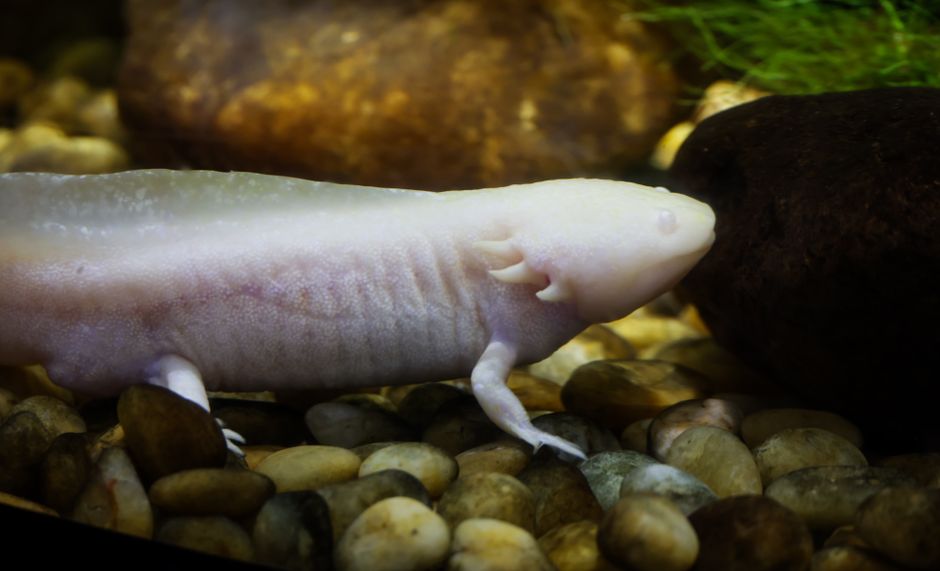
Hellbender Salamander Guide: Facts, Habitat, Care
Meet the hellbender salamander, North America's largest aquatic amphibian known as the snot otter, and discover why rivers need them.
 🐸Amphibians
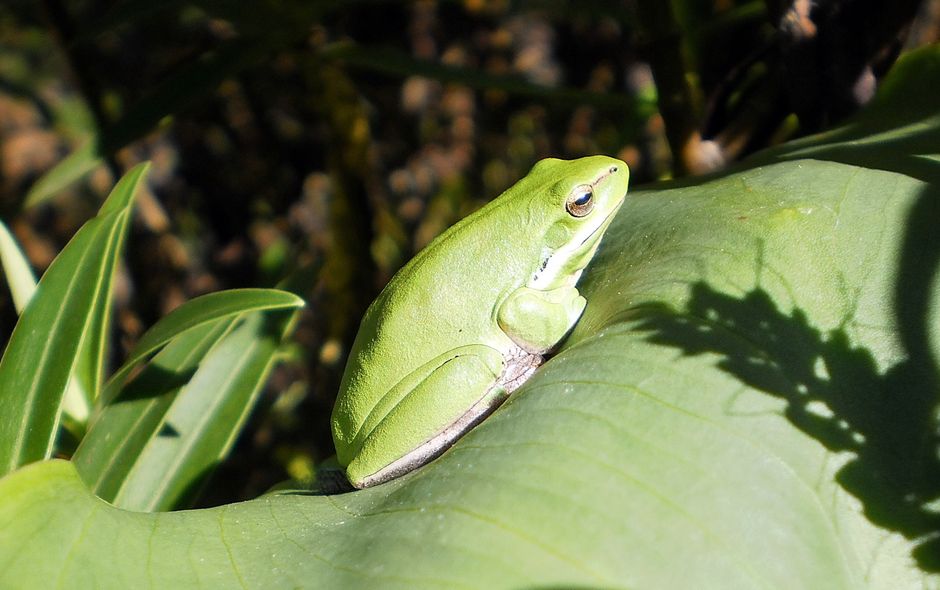
What Do White's Tree Frogs Eat? Complete Diet Guide
Discover the ideal feeder insects, safe portion sizes, and feeding schedules to keep your pet White's tree frog healthy and thriving.
 🐸Amphibians
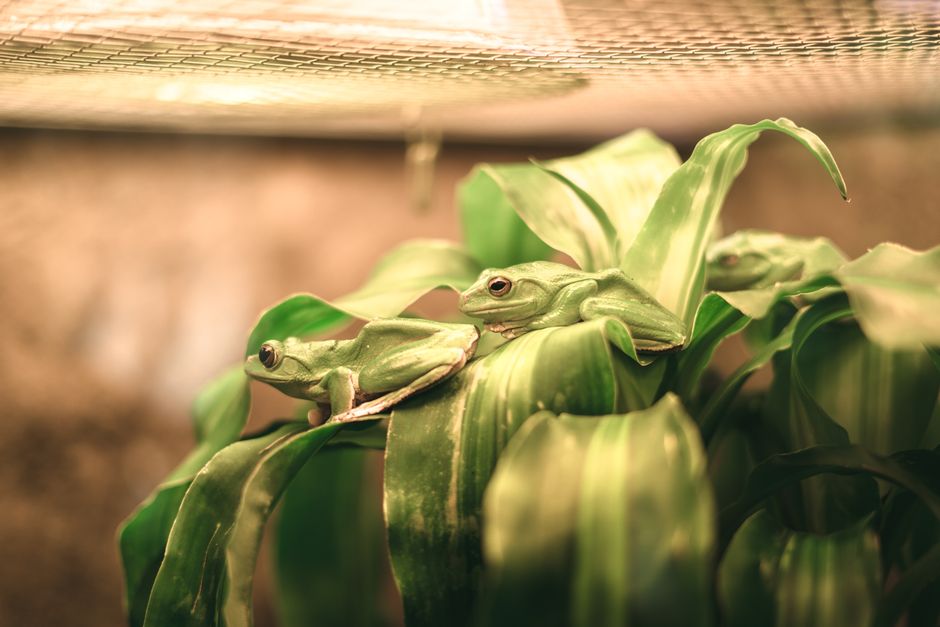
White's Tree Frog Habitat Setup: Beginner Guide
Build the ideal White's tree frog habitat setup with proper tank size, gentle heat, humidity control, and safe substrate choices.