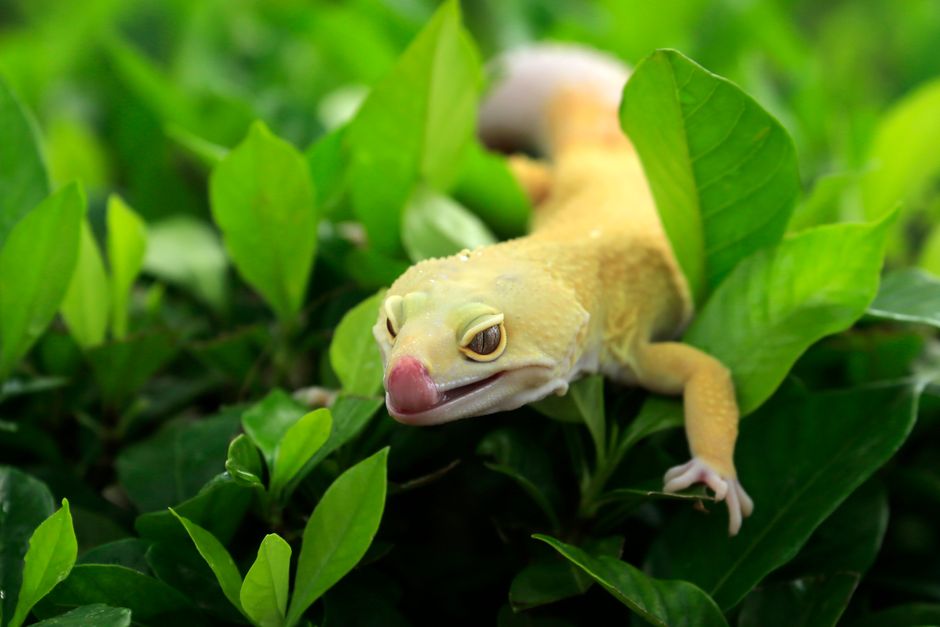
Bearded Dragon vs Leopard Gecko: Which Pet Is Right?
Are you deciding between a bearded dragon vs leopard gecko for your next pet lizard? Both species make fantastic reptile companions for beginner and experienced pet parents alike. They each bring unique personalities, behaviors, and care requirements to your home. Choosing the right pet comes down to your living space, personal schedule, budget, and handling preferences.
Bearded Dragon vs Leopard Gecko: Which Needs More Space?
Leopard geckos require significantly less enclosure space than bearded dragons throughout their lives. A leopard gecko thrives in a standard horizontal terrarium, making them a great fit for apartments, dorm rooms, or small bedrooms. They stay relatively compact as adults and spend most of their time exploring low level rocks, logs, and hide caves.
Bearded dragons grow much larger and require a substantial amount of space in your home. An adult bearded dragon needs a wide, long enclosure with plenty of floor room and vertical space for climbing branches and basking spots. If floor space in your living area is limited, a leopard gecko is usually much easier to accommodate.
Housing Equipment and Lighting Setup
Setting up the ideal habitat for each lizard involves different gear and electrical needs. Bearded dragons are daytime creatures that depend on bright visible light and specialized UVB lighting during daytime hours to stay healthy and process calcium properly. You must replace UVB bulbs regularly and maintain a bright, warm environment throughout the daytime.
Leopard geckos are crepuscular, meaning they are most active during dusk and dawn hours. While they still benefit from mild UVB lighting during the day, their light requirements are less demanding than those of bearded dragons. They rely heavily on under tank heat mats or gentle heat lamps to keep their belly warm for proper digestion.
What Do Bearded Dragons and Leopard Geckos Eat?
Leopard geckos are strict insectivores that only eat live insects, whereas bearded dragons are omnivores that eat both insects and fresh vegetables. Feeding a leopard gecko means keeping a regular supply of live prey such as crickets, dubia roaches, and mealworms. Every insect must be dusted with calcium and vitamin powders before feeding to support bone health.
Bearded dragons start out eating mostly live insects as juveniles, but their dietary needs shift as they grow into adults. Adult bearded dragons consume daily salads made from nutrient rich leafy greens like collard greens, mustard greens, dandelion greens, and chopped squash. Preparing daily fresh salads requires regular trips to the grocery store and routine kitchen preparation.
Handling Live Insects and Meal Prep
If you prefer not to store or handle large numbers of live insects, an adult bearded dragon may be easier for you to manage. Adults consume leafy vegetables for the majority of their daily diet, reducing your need for continuous insect feeding. Leopard geckos will never eat plants, fruits, or dry commercial pellets, so live insects remain a permanent requirement for their entire lifespan.
Which Pet Lizard Is Easier to Handle and Socialize?
Bearded dragons are widely known for their calm, docile nature and tolerance for regular handling. Many bearded dragons enjoy sitting quietly on their owner's chest, lap, or shoulder while you relax around the house. Their sturdy body shape makes them feel secure in your hands, which builds confidence for first time reptile owners.
Leopard geckos are also gentle and rarely bite, but they move faster and feel more delicate to hold. Young geckos can be skittish and quick to dart away if startled. They also possess delicate tails that they can shed if they feel severely threatened or handled too roughly, requiring extra care and patience during taming sessions.
Always research a species' full adult space and dietary requirements before bringing one home to ensure you can meet their lifelong needs. Gentle handling sessions help both species build trust with you over time.
Daily Routines and Activity Schedules
Bearded dragons follow a daytime schedule that matches traditional waking hours. They wake up early, require daylight lamps turned on for twelve to fourteen hours, and need fresh salads placed in their tank during the morning. Spot cleaning waste daily keeps their enclosure clean and odor free.
Leopard geckos spend the bright daytime hours resting inside dark hide boxes scattered throughout their terrarium. They emerge to explore, hunt, and absorb warm temperatures during late afternoon and evening hours. This evening schedule fits well for pet parents who work during the day and want to interact with their pet after returning home.
Common Health Considerations to Keep in Mind
Both reptiles are hardy when given proper lighting, correct temperatures, and balanced diets, but routine health issues can still happen. Leopard geckos sometimes experience issues shedding skin from their toes or tail tip. Spotting a leopard gecko stuck shed early prevents toe constriction and keeps your lizard comfortable.
Bearded dragons can experience natural seasonal changes in activity and appetite. Recognizing key bearded dragon brumation signs helps you distinguish between normal seasonal resting and actual illness. If your reptile shows persistent lethargy, sudden weight loss, or abnormal droppings, consult an exotic animal veterinarian for personalized medical care.
Summary Checklist for Choosing Your Pet
Here is a brief list to help you decide which pet fits your home best:
- Choose a leopard gecko if you have limited room space and want a quiet evening companion.
- Choose a bearded dragon if you want an active, daytime lizard that interacts with family members throughout the day.
- Choose a leopard gecko if you prefer simple lighting setups and do not mind feeding live insects indefinitely.
- Choose a bearded dragon if you want a lizard that transitions to eating fresh leafy greens as an adult.
- Choose a leopard gecko if you prefer lower initial costs for housing and lighting equipment.
- Choose a bearded dragon if you enjoy decorating a large, high visibility display enclosure.
Final Thoughts
When deciding between a bearded dragon vs leopard gecko, consider your daily schedule, available room space, and budget carefully. Both reptiles make incredible pet companions and bring endless fascination to your daily routine. Check out our other detailed reptile guides on RarePetCare to keep learning how to give your pets the best possible care.
Frequently Asked Questions
Which is better for beginners, a bearded dragon or leopard gecko?
Both species are great for beginners, but leopard geckos require less space and simpler lighting setups. Bearded dragons require larger enclosures and complex UVB setups but offer more daytime interaction.
Do bearded dragons and leopard geckos get along together?
No, you should never house a bearded dragon and leopard gecko in the same enclosure. They have different environmental needs and a bearded dragon can easily injure or eat a smaller leopard gecko.
Which lizard costs more to keep as a pet?
Bearded dragons generally cost more over time due to larger enclosure requirements, higher electricity usage for UVB lighting, and regular fresh produce purchases.
Can a leopard gecko bite harder than a bearded dragon?
Adult bearded dragons have stronger jaws than leopard geckos, but both species are gentle and rarely bite when handled calmly and regularly.
Explore More Reptiles Guides
 🦎Reptiles
Marine Iguana: The Ocean-Feeding Lizard
Meet the marine iguana, the only lizard on Earth that dives into cold ocean waters to graze on underwater algae.
 🦎Reptiles
Hawksbill Sea Turtle Endangerment: What Happened
Learn the primary causes of hawksbill sea turtle endangerment, the history of the tortoiseshell trade, and how to protect them today.
 🦎Reptiles
Longest Wild Snake Ever Found: A Record Python
A record-setting giant reticulated python discovered in Indonesia reveals how large wild snakes can grow in undisturbed rainforests.