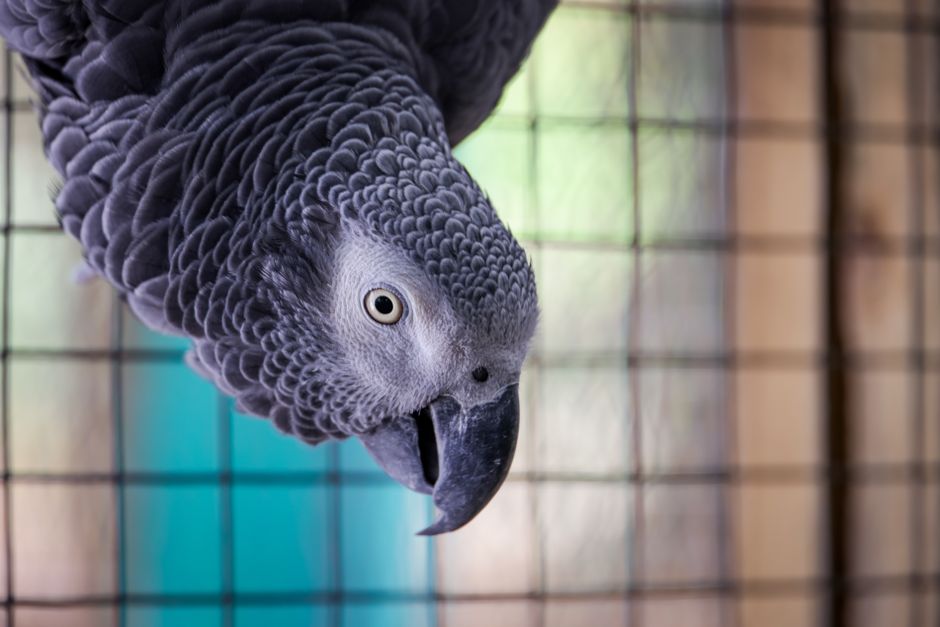
Emergency Parrot Rescue: How Rescuers Handle Large Groups
When seventy-one parrots were found free-roaming inside a rural New Hampshire barn, rescuers in neighboring Rhode Island received an urgent call. An emergency parrot rescue occurs when shelter organizations rapidly retrieve, transport, and house multiple birds from unsafe or overwhelmed environments. With only a few hours to prepare space for dozens of uncounted birds, rescue teams had to act fast. Managing a sudden influx of loose exotic birds requires clear organization, proper housing equipment, and immediate veterinary evaluation.
What Happens During a Large Scale Emergency Parrot Rescue?
During a large scale emergency parrot rescue, rescue organizations immediately secure the premises, assess bird health, and set up temporary enclosures. Rescuers work quickly to minimize avian stress, safely catch loose birds, and evaluate each parrot for signs of injury or illness.
In situations where dozens of parrots live free inside a single structure, nobody knows the exact bird count until the intake begins. The New Hampshire barn case involved seventy-one parrots living alongside their owner for several years. Loose birds establish territories across rafters, beams, and high ledges, making capture challenging and time-consuming.
Rescuers use soft nets, padded gloves, and quiet transport carriers to collect every bird safely. Quick movement or loud noises can startle a flock, leading to collisions against walls or open beams. Once birds are secured in transport crates, teams move them to a shelter facility equipped for large intake operations.
Assessing Immediate Health Needs
The first hour after rescue focuses on triage and stabilizing vulnerable birds. Rescuers check each parrot for severe dehydration, malnutrition, open wounds, and breathing trouble. Barns often trap high levels of feather dust, dander, and ammonia, which damage sensitive avian respiratory systems.
Veterinary technicians weigh every bird, check feather condition, and provide immediate hydration. Birds showing signs of extreme weakness or illness receive isolated care right away. Identifying emergency medical needs early prevents sudden losses during transport and initial setup.
How Do Rescuers Build Parrot Rescue Housing on Short Notice?
Rescuers build emergency parrot rescue housing by assembling modular wire cages, creating temporary aviary rooms, and setting up clean feeding stations. Shelter staff prioritize ventilation, perches, and security so each bird stays safe while permanent arrangements are planned.
Building housing for seventy-one unexpected parrots requires massive space and heavy hardware. When the call came from the New Hampshire barn, rescuers worked through the night to build sturdy modular enclosures. They converted open floor spaces into clean, climate-controlled temporary aviaries with clear boundaries between groups.
Proper spacing prevents overcrowded birds from fighting over food, perches, or territory. Large parrots need separate enclosures, while smaller flock birds can stay together if they already share strong social bonds. Rescuers arrange perches at varying heights to allow natural movement and exercise.
Understanding Social Structure and Supplies
When parrots live together for years, they form deep social connections that help reduce stress. Keeping bonded pairs or established mini-flocks together during an emergency intake lowers anxiety levels. Observing how birds interact helps staff decide which individuals can share temporary flight spaces without aggressive territorial behavior. Rescuers pay close attention to understanding parrot flock dynamics when grouping birds into new enclosures.
Building emergency housing requires specific supplies to keep dozens of exotic birds safe and healthy:
- Modular wire flight cages and heavy-duty temporary panels.
- Natural wood perches in multiple diameters to protect foot health.
- Stainless steel food and water dishes that clip securely to wire walls.
- Absorbent cage liners, paper rolls, and avian-safe cleaning agents.
- Catching towels, soft nets, and secure travel carriers for safe movement.
What Are the Risks of Free Roaming Parrots in Uncontrolled Spaces?
Free roaming parrots in uncontrolled spaces face severe risks from toxic hazards, drafty conditions, poor sanitation, and unchecked breeding. While freedom to fly sounds appealing, enclosed agricultural buildings rarely provide the safe conditions exotic birds require.
Barns and drafty outbuildings present major environmental hazards to tropical birds. Cold temperatures, exposed wiring, loose insulation, and treated timber pose direct threats to parrot health. Parrots use their beaks to explore their surroundings, making accidental ingestion of toxic heavy metals like lead or zinc a constant danger.
Uncontrolled housing also makes routine health monitoring nearly impossible. When birds roam freely without structured routines, owners cannot track individual food intake, droppings, or subtle symptoms of disease. Over time, population sizes grow out of control, leading to severe resource competition and neglected medical care.
Different parrot species require specific climate conditions and space to thrive. For instance, understanding where conures come from in the wild highlights how poorly unheated barns suit tropical exotic birds. Always consult an exotic-animal veterinarian for health assessments whenever taking in a rescued bird, and thoroughly research a parrot species' lifelong needs before adopting.
How Do Rescue Teams Sanitize and Quarantine New Birds?
Rescue teams sanitize emergency housing with avian-safe disinfectants and isolate new birds in quarantine areas for at least thirty to ninety days. Quarantine protocols prevent dangerous airborne viruses, bacterial infections, and parasites from spreading to other birds in the facility.
Every new parrot entering a rescue facility goes through strict quarantine procedures. Airborne diseases like psittacosis or beak and feather disease spread rapidly through shared air or feather dust. Quarantine rooms feature dedicated air filtration units and separate ventilation to keep rescue populations isolated.
Staff members wear protective clothing, change footwear, and sanitize hands between handling different bird groups. Daily cleaning schedules involve scrubbing perches, replacing tray liners, and disinfecting water dishes with non-toxic solutions. Thorough sanitation keeps medical outbreaks from spreading through temporary housing units.
Standard Quarantine Intake Protocol
To keep large intakes organized and disease-free, rescue teams follow a structured step-by-step intake process:
- Assign each bird or bonded pair a unique identification tag and intake profile.
- Place birds in dedicated quarantine quarters away from main shelter populations.
- Collect fecal, feather, and blood samples for avian disease screening.
- Provide balanced pellet diets, clean water, and fresh foraging enrichment daily.
- Monitor weight changes and behavior daily to detect early signs of stress or illness.
Final Thoughts
Executing an emergency parrot rescue demands rapid planning, specialized equipment, and dedicated team coordination. By building secure temporary enclosures and following strict quarantine protocols, rescuers give overwhelmed birds a fresh start at health and safety. If you want to learn more about bird care and rescue management, take time to explore our other RarePetCare guides for detailed exotic pet advice.
Frequently Asked Questions
How long does quarantine last for rescued parrots?
Quarantine for rescued parrots typically lasts between thirty and ninety days. This isolated period gives veterinarians time to test for infectious avian diseases and monitor individual bird health.
Can parrots live safely free-roaming in a barn?
No, barns are generally unsafe for free-roaming parrots due to toxic building materials, drafts, and lack of sanitation. Parrots need climate control, safe perches, and clean enclosures to remain healthy.
What do rescuers feed parrots during emergency intake?
Rescuers offer high-quality formulated pellets, fresh water, safe seed blends, and fresh vegetables during intake. Providing familiar foods helps reduce stress while transitioning birds to balanced diets.
How do rescues safely catch loose parrots in large rooms?
Rescuers catch loose parrots using soft towels, lightweight nets, and calm movements in dimmed light. Keeping the environment quiet prevents birds from panicking and flying into walls.
Explore More Birds Guides
 🦜Birds
Wild Parrots of San Francisco: Rescue and Urban Life
A wild red-masked parakeet was freed by firefighters in San Francisco, showing the unique challenges feral parrot flocks face in the city.
 🦜Birds
How to Bond with a Bird: Safe Steps for Pet Parents
Learn how to bond with a bird using gentle body language, predictable routines, and positive reinforcement to build lifelong trust.
 🦜Birds
How to Stop Parrot Screaming: Safe and Proven Fixes
Discover humane, practical strategies to calm a loud bird, eliminate attention shrieks, and restore peace to your home.