Where Are Conures From? Their Wild Origin Explained
If you share your home with a noisy, playful bird, you might wonder: where are conures from? Conures are native to Central and South America, ranging from southern Mexico down to Argentina. They inhabit diverse tropical environments including rainforests, wooded savannas, and high-altitude forests across the region.
Understanding where these birds come from sheds light on their daily habits. Their tropical roots explain why pet conures chew on wooden furniture, scream when you leave the room, and crave constant companionship.
Where Are Conures From in the Wild?
Conures are native to the Neotropics, which spans Central America and South America. Their natural geographic range extends from Mexico through Central America, down across the Amazon Basin, and into the southern countries of South America.
In these tropical regions, conures thrive in a variety of environments. You can find wild populations in dense tropical rainforests, open savannas, palm groves, dry deciduous woodlands, and mountainous forest slopes. They prefer places with abundant food trees and natural nesting cavities.
Regional Origins of Popular Pet Conures
Different pet conure species originate from distinct regions across Central and South America. Knowing your bird's specific origin helps you understand its exact climate preferences and wild traits.
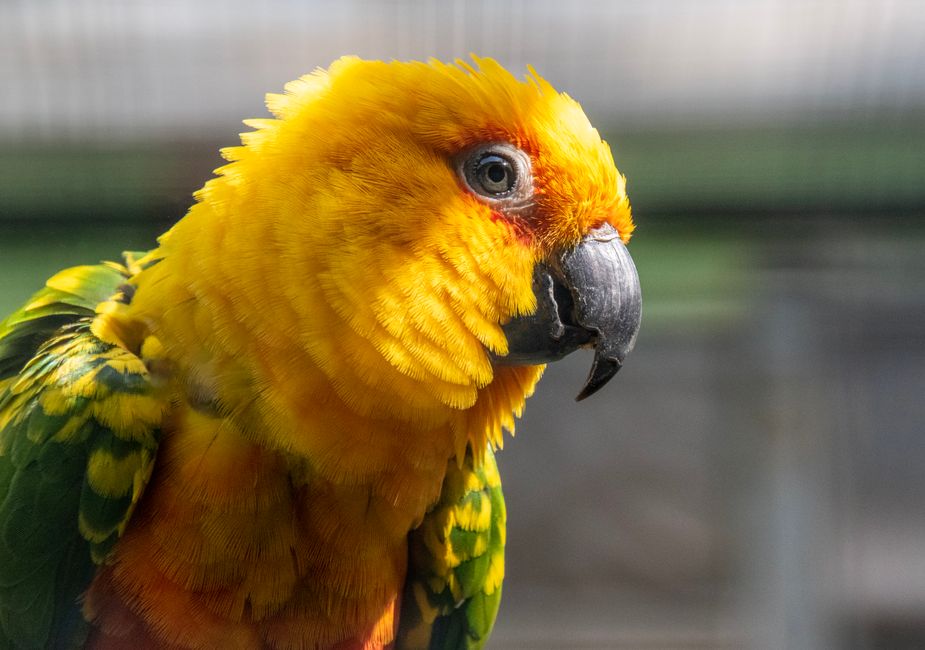
Green cheek conures come from the dense forest canopies of Bolivia, western Brazil, Paraguay, and northern Argentina. Sun conures are native to northeastern South America, living in coastal forests and savannas across Guyana, Suriname, and northern Brazil. Dusky-headed conures inhabit the Amazon Basin in Peru, Colombia, and Ecuador, while cherry-headed conures originate from the dry forests and hillsides of coastal Ecuador and Peru.
How Native Habitats Shape Conure Behavior
Wild conure behavior directly stems from environmental pressures in their native South American habitats. In dense tropical forests, birds must adapt constantly to survive predators, find food, and keep track of their flock.
Because jungle foliage blocks visual contact, wild conures rely on loud vocal calls to stay connected with their mates and flock members. When your bird calls out loudly in your home, it is exercising an ancient survival instinct designed to signal its position across miles of dense canopy.
Flock Structure and Social Instincts
Conures are highly social birds that spend their lives in close pairs or large family flocks. They preen each other, share foraging spots, and roost together at night for safety.
In a home setting, your family becomes your bird's flock. A solitary conure may become stressed or vocal if isolated for long periods. If your bird displays strong social noise habits, learning about bird vocalizations and flock dynamics can help you understand how parrots communicate and adapt to family life.
What Do Wild Conures Eat in Their Native Range?
Wild conures eat a varied, seasonal diet composed of native seeds, wild fruits, tree nuts, berries, leaf buds, and nectar. They spend several hours every day searching through forest canopy layers to find fresh food choices.
In their natural environment, conures use their strong beaks to crack open hard palm nuts and peel thick fruit skins. This daily foraging activity provides crucial physical exercise and mental engagement while keeping their bill naturally trimmed.
Pet owners can mirror this natural diet by offering fresh, bird-safe vegetables alongside a quality base diet. Consider switching your parrot to a pellet diet to provide consistent nutrition without the excessive fat found in seed-only meals.
Key foods wild conures eat across their native range include:
- Native palm nuts and hard tree seeds
- Wild figs, guava, and forest berries
- Tree blossoms, nectar, and tender plant shoots
- Small insects and larvae during breeding seasons
How Wild Instincts Explain Pet Conure Habits
Domestic conures are genetically identical to their wild relatives, meaning their home habits are driven by wild survival instincts. Behaviors that seem challenging to owners make complete sense when viewed through a natural ecological lens.
Wild conures chew bark and branches constantly to clear nesting cavities inside hollow tree trunks. In a living room, this same chewing drive targets door frames, perches, and paper. Providing bird-safe wooden blocks and shreddable paper toys gives your bird an appropriate outlet for this instinct.
Wild birds also defend their nest holes fiercely against competitors and predators. In captivity, a bird may view its cage or sleeping corner as a private nest cavity, leading to sudden nipping when hands reach inside. If your bird displays territorial biting around its cage, check our guide on how to stop a parrot from biting using positive reinforcement strategies.
Responsible bird ownership means planning ahead for long-term companion care. Always research a bird species' adult care needs thoroughly, and establish a relationship with an exotic-animal veterinarian for regular health evaluations.
Common wild instincts seen in pet conures include:
- Flock calling: Screaming when you walk out of sight to confirm where you are.
- Heavy chewing: Gnawing wooden items to maintain beak health and clear roosting spots.
- Active foraging: Tossing food out of bowls while searching for favored items.
- Cage territoriality: Defending sleeping spots like wild birds guard nest hollows.
Final Thoughts
Knowing where are conures from gives pet parents deep insight into these energetic, intelligent birds. Their South American forest roots explain their need for social interaction, constant chewing opportunities, and expressive vocal calls. Explore more RarePetCare guides to discover practical advice for raising happy, healthy exotic pets.
Frequently Asked Questions
Where are green cheek conures originally from?
Green cheek conures are native to South America, specifically the forests of Bolivia, Brazil, Paraguay, and Argentina.
Are sun conures from the rainforest?
Yes, sun conures are native to the tropical forests and wooded savannas of northeastern South America, including Guyana, Suriname, and Brazil.
Why are wild conures so loud in their native environment?
Wild conures use loud calls to communicate across long distances through dense jungle canopy foliage where visual contact is impossible.
Do wild conures live in pairs or flocks?
Wild conures live in bonded pairs within larger social flocks, flying, foraging, and roosting together for protection.
Explore More Birds Guides
 🦜Birds
Wild Parrots of San Francisco: Rescue and Urban Life
A wild red-masked parakeet was freed by firefighters in San Francisco, showing the unique challenges feral parrot flocks face in the city.
 🦜Birds
How to Bond with a Bird: Safe Steps for Pet Parents
Learn how to bond with a bird using gentle body language, predictable routines, and positive reinforcement to build lifelong trust.
 🦜Birds
How to Stop Parrot Screaming: Safe and Proven Fixes
Discover humane, practical strategies to calm a loud bird, eliminate attention shrieks, and restore peace to your home.