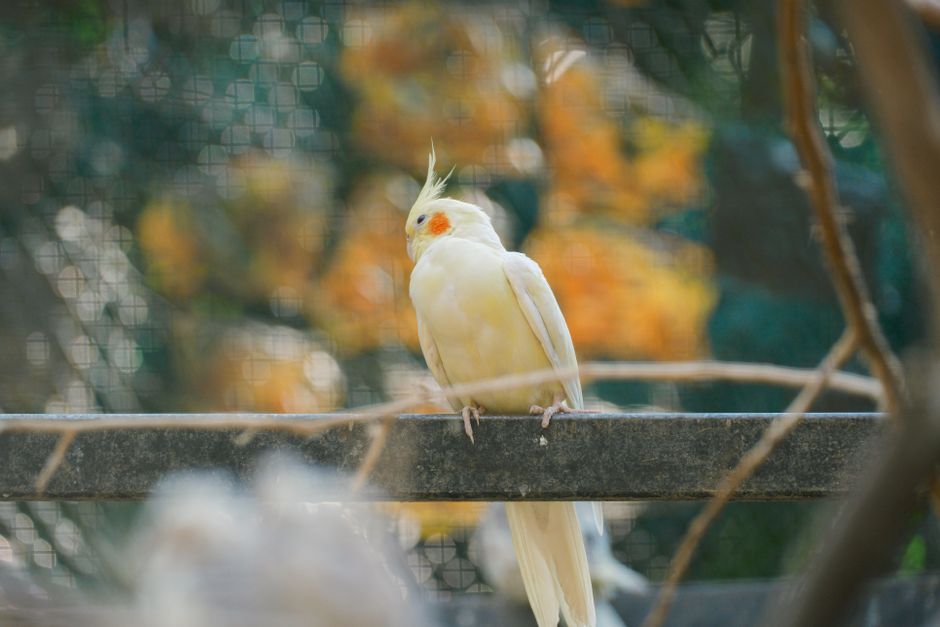
Lost Cockatiel Survival: How Escaped Birds Stay Alive
A lost cockatiel survival situation happens when a pet bird accidentally escapes into an unfamiliar outdoor environment. Despite being raised in human homes, missing cockatiels can survive for days by foraging on urban seeds, wild grasses, or fallen food while instinctively seeking cover from severe storms. When a beloved parrot vanishes right before extreme weather arrives, pet parents often fear the worst. However, these resilient little birds possess native survival instincts that help them locate food, secure shelter, and withstand tough conditions outdoors.
How long can a lost cockatiel survive outdoors?
A lost cockatiel can survive outdoors anywhere from several days to a few weeks depending on weather conditions, predator presence, and access to fresh water. Mild temperatures and accessible urban food sources significantly increase their chances of staying alive until someone rescues them.
In warm or temperate climates, hydration is usually the primary factor limiting a missing bird's endurance. Cockatiels obtain small amounts of moisture from rain puddles, dew on leaves, or damp soil. However, extended periods without clean water cause rapid dehydration. Cold weather and freezing temperatures pose an even greater threat, as small birds lose body heat very quickly when exposed to wind and rain.
Predators and local environmental hazards also play a major role in lost cockatiel survival times. Neighborhood cats, hawks, and crows frequently target escaped domestic birds that lack experience avoiding wild threats. A bird that finds a dense tree canopy or a high, covered architectural ledge has a much better chance of staying safe while search efforts are underway.
What do lost cockatiels eat while missing in the city?
Lost cockatiels typically survive outdoors by foraging for grass seeds, fallen berries, garden plants, and edible food scraps left on city sidewalks. In urban environments, exotic avian veterinarians frequently discover unexpected items like wild weed seeds, birdseed from park feeders, and grain crumbs inside the crop of recaptured birds.
Cockatiels belong to the cockatoo family and are naturally adapted to ground foraging in their native Australian habitats. When an escaped pet bird gets hungry, these deep-seated foraging behaviors take over. They will search lawns, garden beds, and park foliage for familiar seed shapes or sprouting greens. Even birds that ate commercial pellets at home will naturally recognize grass seeds and weeds as edible food.
In city settings, exotic vet checks on recovered cockatiels often reveal remarkable findings. Diagnostic imaging and crop examinations sometimes show that missing birds survived by eating small gravel particles to aid digestion, along with wild dandelion seeds and scattered birdseed. This ability to find alternative nourishment allows lost cockatiels to sustain their body weight during several days on the loose.
Common Foods Escaped Parrots Find in Urban Areas
- Wild grass seeds and weed heads found in lawns and parks
- Fallen seeds from street trees and ornamental garden plants
- Scattered wild birdseed near backyard or park feeders
- Edible food crumbs left behind in outdoor dining spots
- Small berries and tender young plant leaves
How do cockatiels survive harsh weather and storms?
Cockatiels survive harsh weather by seeking dense tree foliage, building alcoves, or sheltered window ledges that block heavy wind and driving rain. Their natural instincts and sensitivity to changes in barometric pressure push them to find secure perches long before severe weather hits.
When a major storm approaches, wild and pet birds alike look for structural protection. In high-rise cities or dense suburbs, cockatiels use structural features like covered fire escapes, recessed window frames, and thick evergreen trees. These hidden spots protect their feathers from getting soaked, which is critical because wet plumage destroys a bird's ability to maintain body heat.
If you suspect an escaped bird is caught in severe conditions, professional assistance can make all the difference. Organizations specializing in an Emergency Parrot Rescue: How Rescuers Handle Large Groups often emphasize how birds hide quietly during heavy rainfall. Once the storm passes, birds usually emerge to look for food, making the immediate post-storm hours a prime time for spotting missing pets.
As a key welfare note, always consult an exotic veterinarian immediately if your recovered bird shows signs of heavy breathing, drooped wings, or severe lethargy after enduring bad weather outdoors.
What should you do immediately if your cockatiel escapes?
If your cockatiel escapes, immediately place their familiar cage outside with fresh food and open doors while calling out to them using familiar phrases. Searching during the early morning hours near elevated perches gives pet parents the highest probability of locating their missing parrot.
Time is vital during the first few hours after an escape. Birds usually stay relatively close to their home at first, often landing in nearby trees or on neighboring rooftops. Calling their name or playing recorded cockatiel vocalizations on a phone can encourage them to call back, helping you pinpoint their exact location.
Crucial Steps for Locating a Missing Bird
- Set the main cage on an elevated table or porch with plenty of seed visible
- Search nearby trees and rooflines during early morning and late afternoon hours
- Notify local animal shelters, avian veterinarians, and neighborhood online groups
- Bring a light blanket or travel carrier when searching to secure the bird safely
- Avoid sudden movements or loud panic cries that might startle a perched bird
What should a veterinarian check after recovering a lost bird?
After recovering a lost cockatiel, an exotic veterinarian should perform a full physical exam, check for internal dehydration, and take diagnostic X-rays to look for ingested foreign objects or toxic materials. The extreme physical stress of living outdoors can hide underlying health issues that require medical treatment.
Even if an escaped bird looks healthy upon return, outdoor survival forces them to eat unusual items that can cause digestive blockages or toxicity. A full vet evaluation checks the bird's weight, hydration levels, and crop contents. X-rays help vet staff verify whether the bird ingested heavy metals, sharp debris, or non-food items while foraging along city streets.
Outdoor exposure can also impact feather condition and overall metabolic stress. Pet parents dealing with feather wear after a rescue can review our guide on When Do Cockatiels Molt? Schedule and Care Guide to help understand how dietary shifts and stress affect plumage health during recovery.
Final Thoughts
Understanding lost cockatiel survival gives bird owners hope and practical knowledge when an accidental escape occurs. With swift local searching, community involvement, and immediate exotic veterinary care after recovery, lost birds can return safely to their loving homes. Explore more RarePetCare guides to learn essential tips on avian wellness, bird behavior, and exotic pet safety.
Frequently Asked Questions
Can a domesticated cockatiel find food in the wild?
Yes, domesticated cockatiels retain native instincts to forage for grass seeds, weeds, berries, and discarded grains when outdoors.
How far away do lost cockatiels usually fly?
Most lost cockatiels remain within a short distance of their home during the first few days unless carried further by high winds.
Will a lost cockatiel fly back to its cage?
Cockatiels often return to their cage if it is placed outside in an open, visible area with familiar food and water available.
Why do lost birds quiet down during bad weather?
Birds seek hidden shelter and stay quiet during severe weather to conserve body heat and avoid attracting predators.
Explore More Birds Guides
 🦜Birds
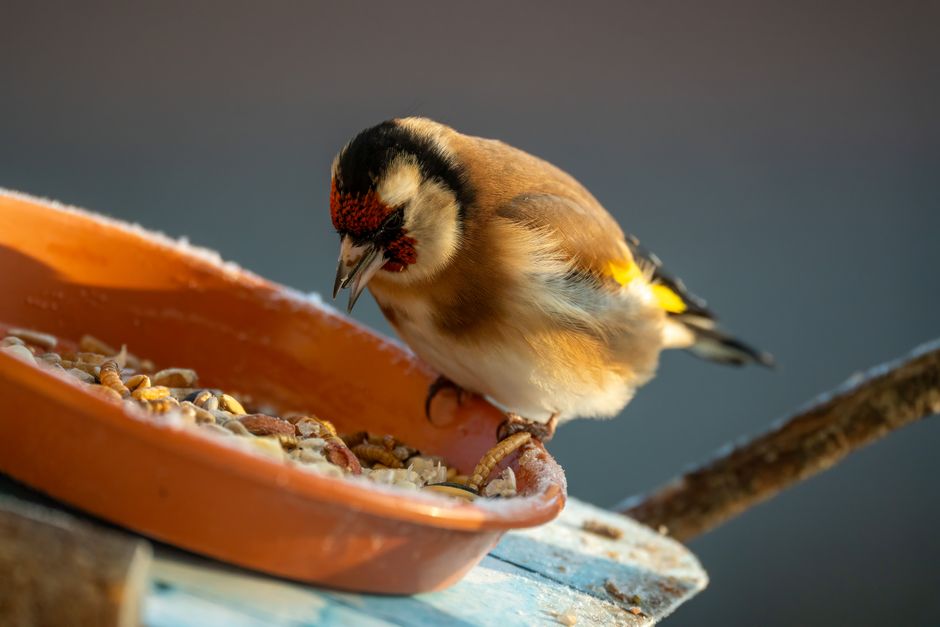
Bird Flu Backyard Feeders: Is It Safe to Feed Birds?
Feeding wild birds brings nature close, but bird flu risks at backyard stations mean pet parents must take precautions.
 🦜Birds
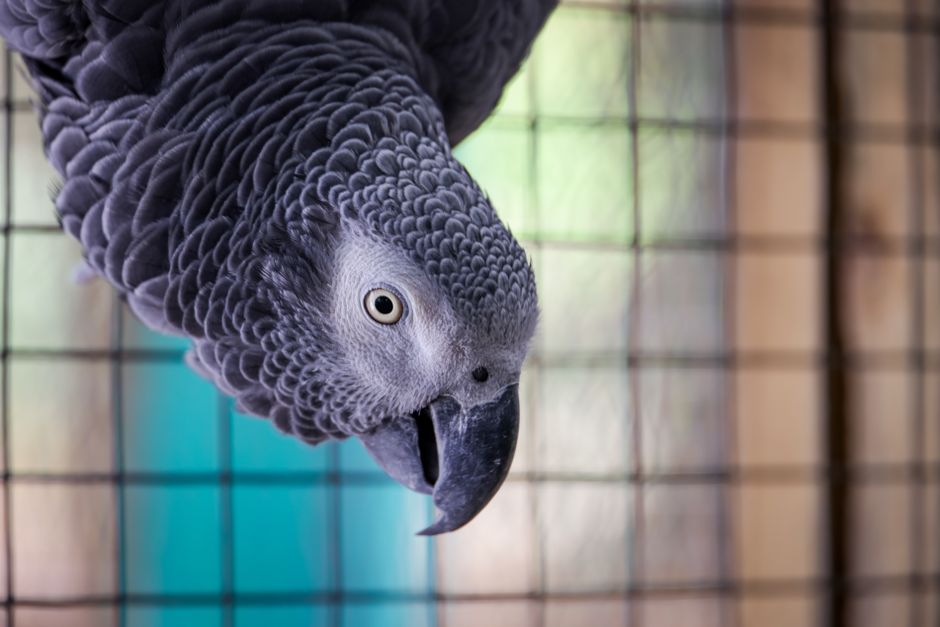
Wild Parrots of San Francisco: Rescue and Urban Life
A wild red-masked parakeet was freed by firefighters in San Francisco, showing the unique challenges feral parrot flocks face in the city.
 🦜Birds
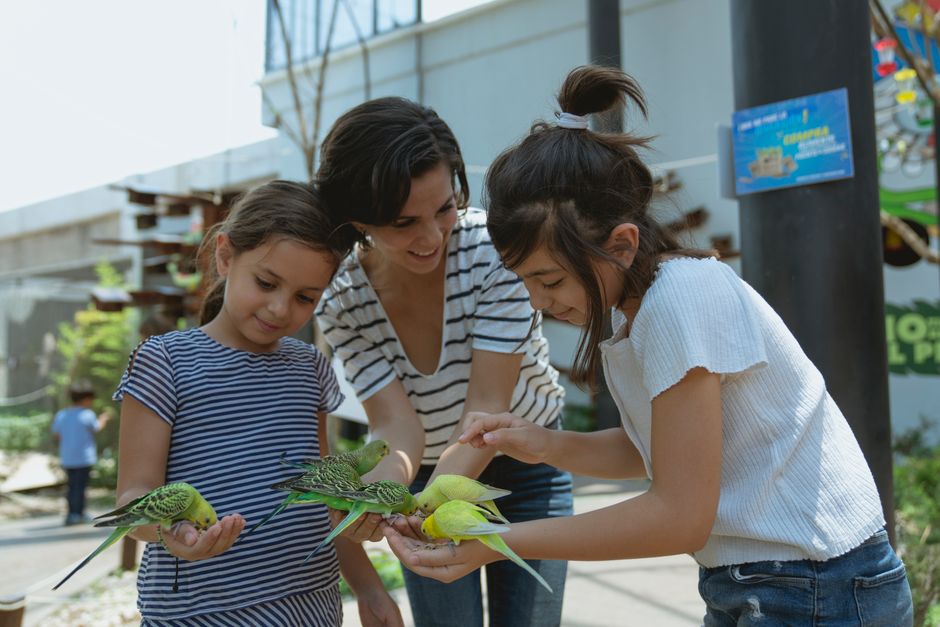
How to Bond with a Bird: Safe Steps for Pet Parents
Learn how to bond with a bird using gentle body language, predictable routines, and positive reinforcement to build lifelong trust.