When Do Cockatiels Molt? Schedule and Care Guide
When do cockatiels molt? Most cockatiels experience their first major coat change around six months of age and then shed old feathers once or twice every year. A normal molt replaces worn plumage in a steady pattern, keeping your bird warm, covered, and capable of flight.
As a pet parent, watching your companion shed dozens of feathers can feel alarming at first. You might see spiky stalks on their head, white dust across your furniture, or sudden mood changes. Understanding the regular molting cycle helps you keep your bird happy and comfortable throughout the entire process.
When Do Cockatiels Molt Most Frequently?
Cockatiels generally molt once or twice a year, usually in the spring and autumn months as natural daylight changes. However, house birds exposed to artificial indoor lighting often shed feathers continuously or on an erratic schedule throughout the year.
In the wild, seasonal temperature shifts and natural light cycles trigger the body to replace old feathers. When days grow longer in spring or shorter in autumn, the hormonal system kicks off a molt. This process takes anywhere from six to eight weeks to complete from start to finish.
Indoor companion birds live in a very different environment. Heating, air conditioning, and artificial lamps hide these natural seasonal cues. As a result, an indoor pet might shed smaller batches of feathers continuously rather than dropping them during two distinct seasons.
First Baby Molt vs Adult Molts
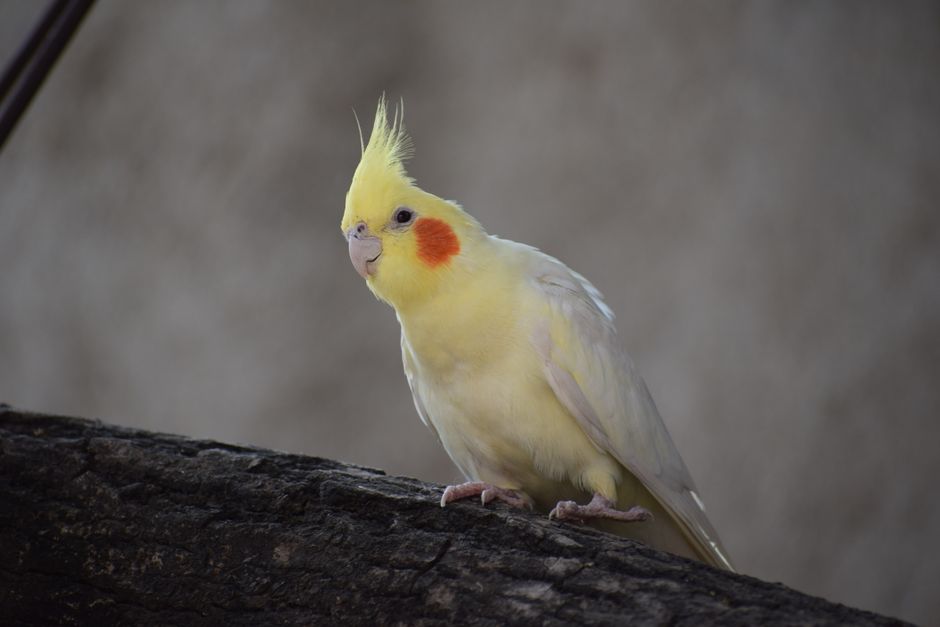
A young cockatiel goes through its first juvenile molt between six and nine months of age. During this initial transition, young birds swap their dull, soft baby feathers for bright, vibrant adult plumage. Male cockatiels often show their signature yellow face feathers for the first time during this initial shedding phase. Adult molts happen once or twice yearly after that first major transition.
What Are Common Cockatiel Molting Signs?
Common cockatiel molting signs include visible pin feathers, mild mood changes, frequent preening, extra feather dust, and dropping feathers in balanced pairs. You may also notice your pet scratching its head against perches or toys to open new feather sheaths.
Pin feathers are fresh feather shafts wrapped in a protective keratin casing. They look like tiny spiky tubes growing out of your bird's skin. Because these new shafts contain active blood vessels during growth, touching them carelessly can cause discomfort or pain for your bird.
Behavioral shifts are also completely normal during this period. Growing hundreds of new feathers drains energy, so your bird may sleep more often or act unusually grumpy. If your bird becomes nippy due to bodily soreness, check our guide on how to stop a parrot from biting for calm handling strategies.
Here are the primary indicators that your bird is going through a regular shed:
- Feathers falling out symmetrically from both sides of the body to preserve balance in flight.
- Spiky pin feathers appearing around the crest, cheeks, neck, and wings.
- Higher amounts of white powdery dander settling on surfaces near the cage.
- Increased time spent grooming, preening, and scratching.
- Mild crankiness or reluctance to be petted on sore areas.
How Does Indoor Lighting Affect Cockatiel Molting?
Artificial indoor lighting scrambles a cockatiel's natural circadian rhythm by overriding photoperiod cues that trigger normal seasonal shedding. Extended evening light from household lamps, televisions, and smartphones tricks your bird's body into feeling like it is constantly summer, causing continuous or incomplete molts.
Bird biology relies heavily on light to regulate hormone levels and reproductive cycles. When a room stays lit late into the evening, photoperiod balance breaks down. Your bird's brain receives conflicting messages, leading to a lingering, partial coat loss that never seems to finish properly.
To fix this issue, establish a consistent daily routine for your bird. Aim to provide twelve hours of quiet, dark sleep every night. Covering the cage with a breathable, dark sheet at the same time each evening helps restore natural biological signals. Keep the room quiet so your pet can rest deeply without light leaking in.
How Can You Help Your Cockatiel During a Molt?
You can support your cockatiel during a molt by offering protein rich foods, providing gentle mist baths, and allowing extra rest in a calm area. Proper care reduces skin itching, speeds up feather growth, and keeps your companion comfortable during sensitive days.
Growing new plumage demands extra protein, vitamins, and minerals like calcium. Feeding a high quality diet gives your bird the raw nutrients necessary to build strong, glossy feathers. Nutrient dense foods are vital during this time, so if your bird currently eats mostly seed mixes, learn how to switch a bird to a pellet diet easily for long term health benefits.
Daily baths or light mistings with warm water soften tight keratin sheaths and relieve itchy skin. Many birds love splashing in a shallow dish, while others prefer a fine water spray above their cage. Never force a bath if your bird seems fearful or cold.
Always respect your pet's physical boundaries while pin feathers are coming in. Avoid petting areas where dark, blood-filled shafts are visible. Always consult an exotic-animal veterinarian if you suspect severe health complications or notice active bleeding.
When Is Feather Loss a Sign of Illness?
Feather loss becomes a health concern when bare skin patches appear, feathers bleed continuously, or your bird plucks out its own plumage. A healthy molt never leaves bald spots, because replacement feathers grow immediately beneath the old ones being shed.
Keep a close watch out for these warning signals during a coat change:
- Large areas of exposed, red, or irritated skin without visible pin feathers.
- Broken blood feathers that bleed repeatedly and do not clot on their own.
- Feather plucking, chewing, or self mutilation caused by stress or skin infections.
- Lethargy, appetite loss, dirty vent feathers, or changes in droppings.
Final Thoughts
Understanding when do cockatiels molt helps you distinguish healthy seasonal shedding from potential health concerns. By maintaining a steady sleep schedule, offering fresh water baths, and providing optimal nutrition, you help your bird remain bright and healthy through every cycle. Explore more RarePetCare guides to discover top tips for exotic bird wellness, habitat design, and diet.
Frequently Asked Questions
How long does a cockatiel molt last?
A typical cockatiel molt lasts between six and eight weeks from start to finish. During this period, old feathers drop gradually while new pin feathers take their place.
Do cockatiels sleep more when molting?
Yes, cockatiels often sleep more frequently while molting because growing new feathers consumes a large amount of physical energy. Providing quiet rest hours helps your bird regenerate strength.
Is molting painful for cockatiels?
Molting is not inherently painful, but emerging pin feathers can feel itchy and very tender to touch. Handling a bird gently and avoiding heavy pressure on blood feathers keeps them comfortable.
Why is my cockatiel losing feathers but not growing new ones?
Failing to grow replacement feathers can indicate poor nutrition, stress, illness, or feather plucking. Consult an exotic veterinarian to diagnose underlying causes if bald patches appear.
Explore More Birds Guides
 🦜Birds
Wild Parrots of San Francisco: Rescue and Urban Life
A wild red-masked parakeet was freed by firefighters in San Francisco, showing the unique challenges feral parrot flocks face in the city.
 🦜Birds
How to Bond with a Bird: Safe Steps for Pet Parents
Learn how to bond with a bird using gentle body language, predictable routines, and positive reinforcement to build lifelong trust.
 🦜Birds
How to Stop Parrot Screaming: Safe and Proven Fixes
Discover humane, practical strategies to calm a loud bird, eliminate attention shrieks, and restore peace to your home.