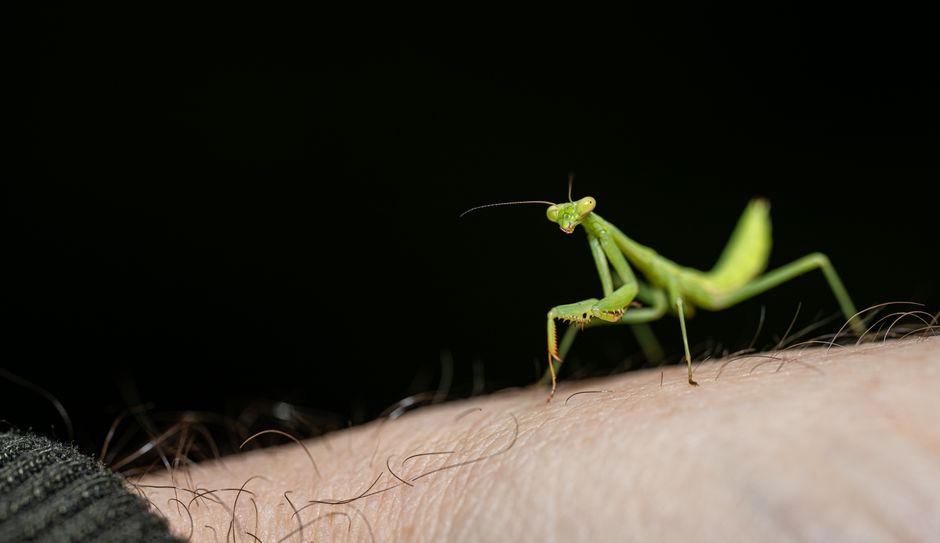
Pet Praying Mantis Care: Complete Beginner Guide
Praying mantises are fascinating insects that make quiet, engaging pets for keepers of all experience levels. Proper pet praying mantis care requires an understanding of their habitat needs, feeding routines, and physical changes during growth. By setting up the right environment early on, you can keep your pet mantis healthy and active throughout its life.
What Size Enclosure Does a Pet Praying Mantis Need?
A pet praying mantis needs an enclosure that is at least three times as tall as the insect is long and twice as wide. This gives your mantis enough space to climb, stretch, and safely shed its skin.
Height is far more important than floor space for arboreal insects like mantises. They spend most of their time hanging upside down from twigs or mesh lids. If an enclosure is too small, your mantis may drop to the ground during a molt, which can lead to permanent deformities or fatal injuries.
Cross-ventilation is equally vital when choosing a container. Screen cages or plastic terrariums with clear mesh tops and side air holes work best. Stagnant air encourages mold growth, which quickly harms delicate insects.
Maintain clear sightlines inside the cage so you can watch your mantis continuously. Avoid overly cluttered spaces that prevent prey items from moving into view. Good air flow and vertical space are the primary building blocks of a stable enclosure.
How to Decorate a Mantis Enclosure
Decorate the habitat with sturdy twigs, fake silk plants, and textured climbing surfaces. Place these items vertically so your pet can climb easily to the top. Keep the floor clean with simple paper towels or coco fiber substrate to catch dropped prey and absorb excess moisture.
Avoid placing heavy rocks or sharp plastic ornaments inside the terrarium. If a mantis loses its footing, falling onto hard objects can cause physical trauma. Lightweight leaves and natural sticks offer the safest environment for everyday movement.
What Do You Feed a Pet Praying Mantis?
A pet praying mantis eats live prey insects, including fruit flies, small crickets, roaches, and flies. Mantises are strictly carnivorous predators that only track food that moves across their field of vision.
Young nymphs require small prey like flightless fruit flies or tiny pinhead crickets. As your mantis grows, you can offer larger insects such as house flies, waxworms, and small dubia roaches. Avoid feeding wild-caught insects because they often carry pesticides or parasites that can poison your pet.
Offer food every two to three days, removing any uneaten prey after a few hours. Crickets left inside the enclosure can bite or stress a resting mantis, especially when it prepares to molt.
Feed your mantis until its abdomen looks rounded but not overly swollen. Overfeeding can cause stress or physical distress. Establishing a regular feeding routine keeps your insect energetic and alert throughout the week.
How Do Mantises Get Water?
Mantises usually do not drink from deep water dishes, which present a dangerous drowning hazard. Instead, spray the enclosure walls lightly with clean, fresh water once a day or every other day. Your mantis will sip small water droplets off the leaves or plastic walls.
Fine mist sprays work much better than heavy water streams. A light misting keeps the humidity level balanced without creating pooling water on the substrate bottom. Always research a species' full adult needs before buying, as humidity requirements vary between desert and rainforest species.
How Do You Maintain Humidity and Temperature?
You maintain humidity and temperature by providing room temperature surroundings and using light misting daily. Most pet mantises do well in standard household temperatures, provided they are kept away from direct cold drafts or air conditioning vents.
Avoid placing heating pads directly against plastic enclosures without a thermostat control. Excessive heat can dry out an enclosure too quickly, creating dangerous conditions during a shed. If your home gets cold during winter months, a low-wattage heat lamp kept at a safe distance can help keep ambient air warm.
Monitoring moisture levels is simple when using paper towels as substrate. If the substrate stays damp for days, reduce misting frequency to maintain fresh air flow and prevent fungal buildup.
How Do You Handle Mantis Molting Safely?
You handle mantis molting safely by leaving the insect completely undisturbed and maintaining proper enclosure humidity. Molting is the process where a mantis sheds its old exoskeleton so it can grow larger.
Before a molt occurs, your mantis will stop eating and may hang motionless upside down for a day or two. Its body may look slightly dull, and its wing pads will swell if it is nearing adult size. During this time, do not offer live food and avoid moving the enclosure.
If a mantis falls while molting, its soft new body can stretch or twist incorrectly. Leave the newly molted mantis alone for at least 24 to 48 hours so its skin can harden completely before you touch or feed it again.
High humidity during the molt helps the insect break free from its old skin easily. If the room air is dry, a gentle misting near the lower half of the cage can help maintain adequate humidity without disturbing the hanging insect.
What Are Common Pet Praying Mantis Care Mistakes?
The most common pet praying mantis care mistakes include overwatering, leaving live prey in the habitat overnight, and keeping temperature or humidity levels wrong for the species.
Here are key items to double check to keep your mantis safe:
- Provide mesh on top of the cage so your mantis can hang upside down comfortably.
- Avoid soaked substrate, which creates fungal growth and bacterial rot inside the habitat.
- Remove uneaten live crickets right away so they do not nibble on your mantis.
- Never touch a mantis while it is in the middle of shedding its exoskeleton.
- Consult an exotic-animal veterinarian or experienced keeper if your mantis shows persistent weakness or injuries.
Proper housing safety is essential for all exotic pets. Just as aquatic keepers look out for water risks when studying axolotl care for beginners, insect keepers must ensure their habitats eliminate tight spaces where molting bugs might drop or become trapped. In addition, checking hydration methods is critical across species, much like understanding water safety when asking can tarantulas swim in traditional pet setups.
Final Thoughts
Mastering pet praying mantis care comes down to providing upright climbing space, live prey, proper airflow, and quiet molting conditions. With a few simple habitat adjustments, you can observe these remarkable predators thrive in your home. Explore our other RarePetCare guides to learn more about keeping exotic invertebrates and unique pets.
Frequently Asked Questions
How long do pet praying mantises live?
Pet praying mantises typically live for under one year, depending on the species and environmental conditions.
Can you handle a pet praying mantis?
Yes, you can handle a pet mantis gently by letting it step onto your hand voluntarily without squeezing it.
Why is my pet praying mantis not eating?
A praying mantis usually stops eating when it is full or preparing to shed its exoskeleton.
Do praying mantises bite humans?
Praying mantises rarely bite humans because they do not view people as prey or immediate threats.
Explore More Invertebrates Guides
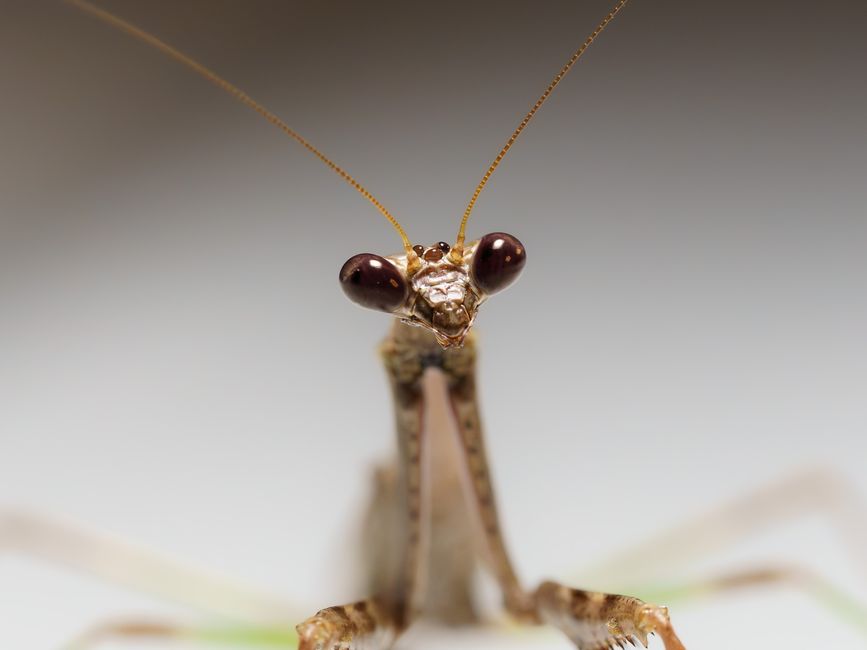 🕷️Invertebrates
Praying Mantis Not Eating? Key Causes and Fixes
Discover why your praying mantis is refusing food, how to spot premolt signs, and what you can do to get them eating safely again.
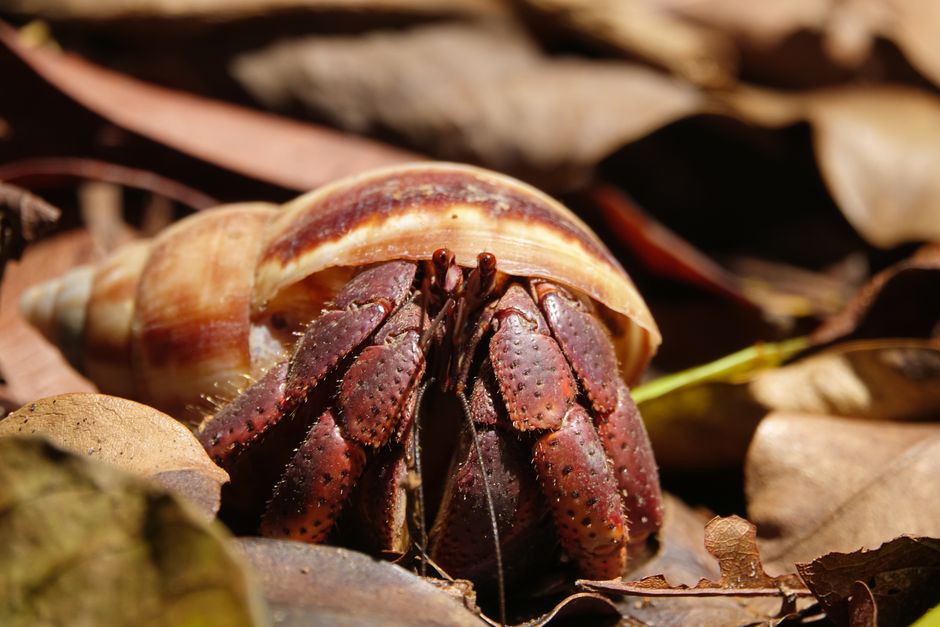 🕷️Invertebrates
Why Is My Hermit Crab Buried? Key Reasons
Learn why hermit crabs bury themselves in the substrate, how to tell if they are molting, and why you should never dig them up.
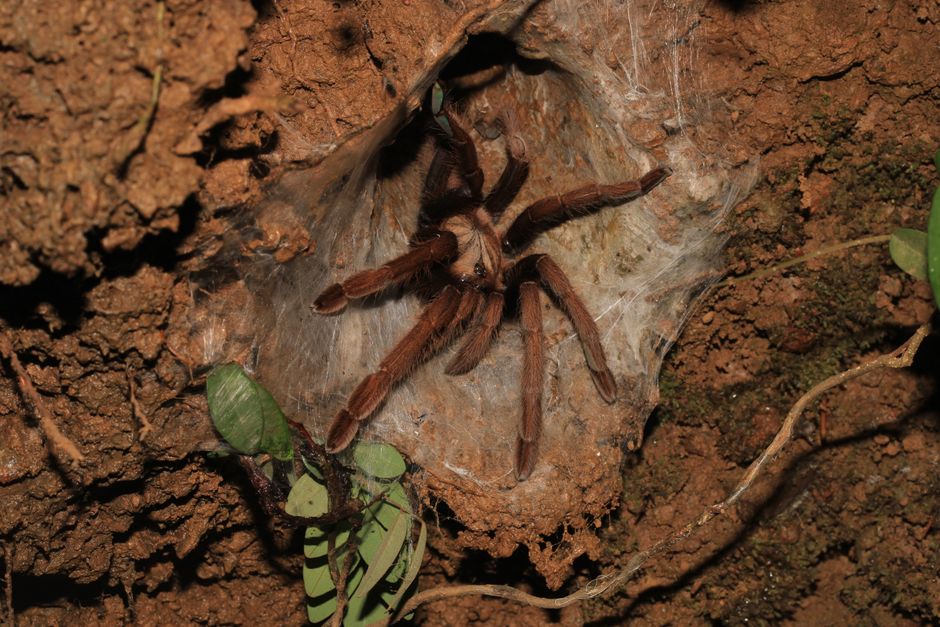 🕷️Invertebrates
Why Is My Tarantula on Its Back? Molting vs Dying
A tarantula on its back is almost always preparing to molt. Learn how to tell molting from illness and how to keep your pet safe.